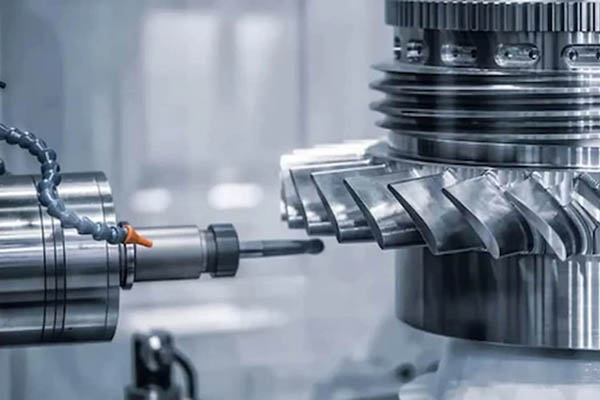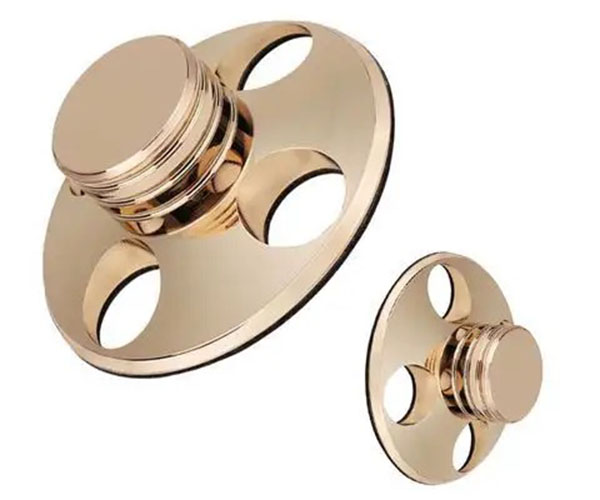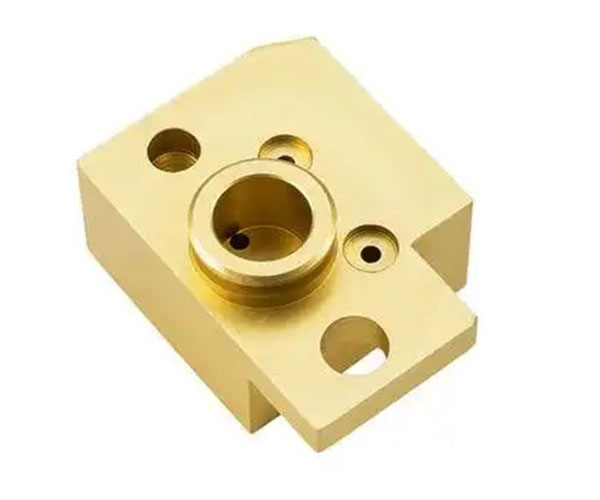
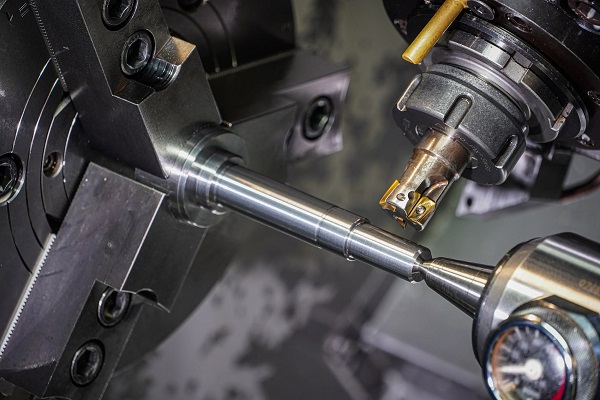
If you’ve ever asked, “What is precision machining and how does it actually work?”—here’s your answer. Precision machining is a manufacturing process that removes material from a workpiece to create parts with extremely tight tolerances, often as small as ±0.0001 inches (±0.0025 mm). Unlike conventional machining, which may allow more variation, precision machining ensures every part matches the digital design almost exactly. It works by using computer-controlled tools (CNC), specialized cutters, and rigorous quality checks to shape metals, plastics, or ceramics into complex components. Think of it like sculpting a marble statue, but with microscopic accuracy and zero guesswork.
The Basics of Precision Machining
Precision machining starts with three core ideas: tolerance, accuracy, and repeatability.
- Tolerance = the allowed variation in a part’s dimension. Standard machining might hold ±0.01 inches, but precision machining often achieves ±0.0002 inches.
- Accuracy = how close the finished part matches the CAD model.
- Repeatability = making 1,000 parts where every single one fits the same gauge.
For example, a fuel injector nozzle in a car engine must hold tolerances within ±0.0005 inches. Without that precision, the engine runs poorly or fails emissions tests. Material selection also matters: aluminum, stainless steel, titanium, and engineering plastics each react differently to heat and cutting forces.
Types of Precision Machining Processes
Different jobs need different methods. Here’s a quick comparison:
| Process | Best For | Typical Tolerance | Surface Finish (Ra) |
|---|---|---|---|
| CNC Milling | Complex 3D shapes, pockets, slots | ±0.001 inches | 16–32 µin |
| CNC Turning | Cylindrical parts (shafts, bushings) | ±0.0005 inches | 8–32 µin |
| EDM (Wire/Sinker) | Hard metals, tiny holes, sharp internal corners | ±0.0002 inches | 16–32 µin |
| Grinding | Ultra-fine finishes, hardened steel | ±0.0001 inches | 2–8 µin |
CNC Machining
CNC machining (Computer Numerical Control) runs over 70% of precision shops today. A G-code program tells the spindle, coolant, and table exactly where to move. For instance, machining a titanium bone screw requires 10,000–15,000 RPM with carbide tooling to avoid work hardening.
Electrical Discharge Machining (EDM)
EDM uses electrical sparks to erode material. No physical contact means no tool pressure. This is perfect for mold cavities or fuel injection holes as small as 0.004 inches in diameter. EDM can cut hardened steel that would destroy standard end mills.
Grinding
Grinding removes tiny chips with abrasive wheels. It achieves ±0.0001 inch tolerances and mirror-like finishes (Ra 2 µin). Aerospace landing gear components often get final-ground after heat treatment to correct distortion.
Turning vs. Milling
- Turning spins the workpiece while a stationary cutter shapes it. Ideal for pins, nozzles, and threaded rods.
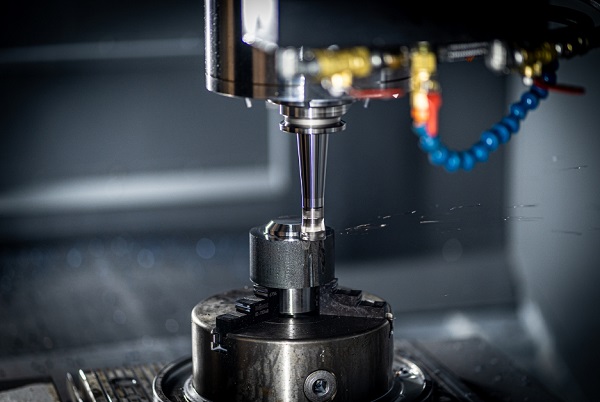
- Milling spins the cutter while the workpiece moves in X, Y, Z axes. Best for brackets, enclosures, and engine blocks.
Real-world case: A medical device company needed hip implant trial stems with ±0.0003 inches on a tapered bore. Using CNC turning with live tooling reduced scrap from 18% to under 3%.
How the Precision Machining Process Works Step by Step
The workflow follows a logical chain. Skipping any step invites expensive failures.
Design and Planning (CAD/CAM)
Every part begins as a CAD model (SolidWorks, Fusion 360, or NX). Engineers then use CAM software to generate toolpaths. This step defines:
- Which tool cuts which feature
- Spindle speed (e.g., 8,000 RPM for aluminum, 350 RPM for Inconel)
- Feed rate (inches per minute) – too fast breaks tools, too slow wastes time)
Prototyping often follows. A 3D-printed or soft metal prototype confirms fit and function before committing to production tooling.
Setup and Calibration
The machine operator mounts the workpiece, installs tools into a tool holder or turret, and runs a probing cycle. A touch probe measures the part’s exact position and compensates for any offset. On a DMG MORI or Haas machine, this calibration takes under 2 minutes but improves accuracy by 10x.
Tool Selection and Maintenance
Tool material determines success:
- Carbide – for stainless and hardened steel (up to 45 HRC)
- CBN (Cubic Boron Nitride) – for above 50 HRC
- Diamond-coated – for carbon fiber or ceramics
Dull tools cause heat, burrs, and broken parts. Shops replace end mills after 60–120 minutes of cut time in tough alloys.
Quality Control Measures
Inspection happens during and after machining. Common tools include:
| Tool | Resolution | Use Case |
|---|---|---|
| Micrometer | 0.0001 inches | Outside diameters, thickness |
| CMM (Coordinate Measuring Machine) | ±0.00005 inches | Complex 3D geometries |
| Optical comparator | 0.001 inches | Profile shapes, thread forms |
| Bore gauge | 0.00005 inches | Internal hole diameters |
A typical aerospace shop inspects 100% of critical dimensions on every fifth part. For medical implants, they inspect every part.
Where Precision Machining Is Used (Real Industries)
Precision machining isn’t a niche—it’s everywhere around you.
Aerospace Industry
Jet engine turbine blades operate at 2,000°F and 30,000 RPM. A blade that is 0.002 inches out of spec unbalances the rotor. Precision machining of Inconel 718 or titanium Ti-6Al-4V holds cooling hole locations within ±0.0005 inches.
Medical Devices
Orthopedic knee and hip replacements require surface finishes below Ra 8 µin to reduce wear. Bone screws need thread profiles accurate within ±0.0002 inches for proper bone purchase. One contract manufacturer reported that switching to 5-axis CNC machining reduced post-processing labor by 40%.
Automotive Manufacturing
Fuel injectors, transmission valves, and turbocharger housings all depend on precision. A diesel injector nozzle with 0.0001-inch variation can increase emissions by 15% and lower fuel economy by 5–8%.
Electronics and Telecommunications
Connector pins, heat sinks, and waveguide components are machined to micron-level tolerances. For 5G antennas, even a 0.001-inch deviation changes signal reflection by several decibels.
Custom Tooling and Fixtures
Every factory uses custom jigs, fixtures, and molds. Precision machining these tools ensures repeatable assembly. An automotive assembly line might use 120+ custom fixtures, each holding position within ±0.0005 inches.
Conclusion
Precision machining is the backbone of modern manufacturing. It transforms raw materials into high-stakes components for aerospace, medical, automotive, and electronics industries. By combining CAD/CAM design, CNC-controlled processes (turning, milling, EDM, grinding), and rigorous inspection (CMM, micrometers, bore gauges), manufacturers achieve tolerances as tight as ±0.0001 inches. Understanding what precision machining is and how it works helps you make better sourcing decisions, avoid costly design errors, and evaluate supplier capabilities confidently. Whether you need a single prototype or 100,000 production parts, precision machining delivers the accuracy your application demands.
FAQ
What is the difference between precision machining and conventional machining?
Conventional machining typically holds tolerances of ±0.005 to ±0.010 inches, while precision machining achieves ±0.0001 to ±0.001 inches. Precision uses CNC controls, advanced tooling, and environmental controls (temperature, vibration damping).
What materials can be used in precision machining?
Almost any solid material: aluminum (6061, 7075), stainless steel (303, 316, 17-4), titanium (Grade 5), brass, copper, engineering plastics (PEEK, Delrin, Ultem), and superalloys (Inconel, Monel, Hastelloy).
How do I choose the right precision machining process for my part?
Start with material hardness, then consider feature geometry. Use CNC turning for round parts, CNC milling for 3D shapes, EDM for hardened steel or tiny holes, and grinding for ultra-fine finishes. A good shop will recommend based on your tolerance callouts.
What is the typical lead time for precision machined parts?
Simple prototypes: 3–5 business days. Medium-complexity production runs (100–500 parts): 2–3 weeks. High-complexity aerospace or medical components: 4–6 weeks, including first-article inspection.
How much does precision machining cost?
Cost depends on material, tolerance, quantity, and surface finish. Example ranges: simple aluminum bracket (±0.005 in) – $15–40 each at 100 pcs. Complex titanium medical part (±0.0003 in) – $200–600 each at 50 pcs. Setup fees typically $150–500 per job.
Get projects quote with Moshijia Technology
Need precision machined parts that meet tight tolerances every time? Moshijia Technology offers CNC turning, milling, EDM, and grinding with CMM inspection reports included. Upload your CAD file — get a quote in under 24 hours. [Contact us now →]