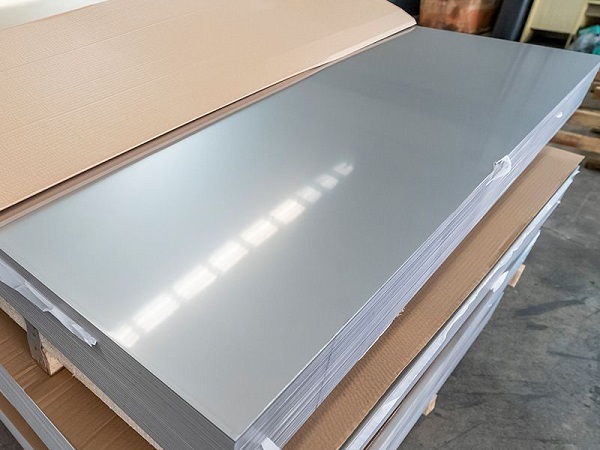
Working with stainless steel sheet metal feels different from mild steel or aluminum. It’s harder, springs back more, and scratches if you look at it wrong. But here’s the good news: once you learn five core rules, you can cut, bend, and weld stainless without ruining its finish or corrosion resistance. This guide walks you through exactly what works in a real shop—no fluff, just proven techniques.
Tip 1: Prevent Carbon Steel Contamination
Why Does Rust Appear on “Stainless” Welds?
You cleaned everything. You welded perfectly. Two weeks later, brown rust spots appear. What happened? Carbon steel contamination. Stainless steel stays rust-free because of its chromium oxide layer. But when carbon steel particles embed in the surface, they rust—and take the stainless with them.
Real example: A sign shop used the same wire brush on stainless and carbon steel. Every weld on a $5,000 food truck exterior rusted within a month. They had to replace three full sheets. Cost? Over $2,000 in materials and labor.
Tools That Must Be Dedicated
| Tool Type | Why It Matters |
|---|---|
| Wire brushes | Carbon steel particles lodge in bristles, transfer to stainless |
| Grinding wheels | Embedded mild steel dust causes rust spots |
| Clamps and fixtures | Dirty clamp faces leave iron marks |
| Drill bits | Carbon steel bits leave residue in holes |
The Clean Tool Rule
Buy separate tools for stainless. Paint them blue. Lock them in a different drawer. Never let anyone borrow your stainless tools for carbon steel work.
Before welding:
- Wipe with acetone using a clean rag
- Use a dedicated stainless wire brush – brush in one direction only
- Sand with new or stainless-only abrasive discs (36 to 80 grit)
- Clean again after any grinding
Pro tip: Keep a spray bottle of citric acid solution (1 tablespoon per liter of water). Wipe it on after cleaning to help restore the passive layer.
Tip 2: Manage Heat to Stop Warping
Why Does Stainless Warp So Fast?
Stainless steel sheet metal expands 50% more than carbon steel when heated. It also holds heat three times longer. The result? One long weld pulls the metal into a potato chip shape.
Key numbers:
- Thermal expansion of 304 stainless: 17.3 µm/m·°C (carbon steel: 11.7)
- Heat conductivity: 15 W/m·K (aluminum: 237)
- Distortion starts above 150°C (300°F) on thin sheet
Heat Control Methods That Work
Method 1: Copper or aluminum chill bars
Clamp a thick copper bar behind your weld zone. Copper pulls heat away 8x faster than stainless. For 1.5mm sheet, a 10mm copper backer lets you weld continuously with no distortion.
Method 2: Skip welding (stitch method)
Never run one long bead. Instead:
- Weld 25mm (1 inch)
- Skip 50mm (2 inches)
- Let cool to room temperature
- Weld the next section
Method 3: Backstep sequence
On long seams, weld from the center outward in alternating directions. This balances heat distribution.
Amperage Guidelines to Avoid Overheating
| Material Thickness | Max TIG Amps | Max MIG Amps |
|---|---|---|
| 0.8mm (20 ga) | 45 | Not recommended |
| 1.2mm (18 ga) | 65 | 40 |
| 1.6mm (16 ga) | 85 | 55 |
| 2.5mm (12 ga) | 120 | 80 |
Start 15-20% lower than these numbers. Increase only if you lack fusion.
Case study: A HVAC shop bent 1.6mm 304 stainless for ductwork. They kept blowing holes on corners. After dropping amperage from 90 to 65 and adding a copper chill bar, reject rates fell from 25% to under 3%.
Tip 3: Use Proper Cutting and Bending Techniques
What Cutting Tools Work Best on Stainless?
Standard steel blades overheat and dull fast. Carbide-tipped blades or cold saws are the right choice. Abrasive cut-off wheels also work but create heat—so keep moving.
Cutting method comparison:
| Tool | Cut Quality | Heat Risk | Speed | Best For |
|---|---|---|---|---|
| Carbide-tipped circular saw | Excellent | Low | Fast | Straight cuts, 1.2mm+ |
| Cold saw (with coolant) | Excellent | Very low | Medium | Precise cuts, any thickness |
| Abrasive wheel | Good | High | Fast | Rough cuts, thin sheet |
| Plasma cutter | Fair | Very high | Fast | Curves, but expect discoloration |
| Hand shears (nibblers) | Good | None | Slow | Small parts, under 1.5mm |
Pro tip: When using an abrasive wheel, don’t linger. One second too long creates a blue heat ring. That blue color means chromium carbide formation—and lost corrosion resistance.
Bending Stainless Without Cracking
Stainless is tough to bend for two reasons: it work-hardens and it springs back.
Minimum bend radius rule:
- For sheet under 2mm: Inside radius = 1x material thickness
- For sheet 2-3mm: Inside radius = 2x thickness
- For sheet over 3mm: Inside radius = 3x thickness
Example: Bending 1.5mm stainless needs a 1.5mm inside radius. Use a punch tip that size or larger.
Account for spring-back:
Stainless springs back 10-15° more than mild steel. Overbend by that amount. For a 90° bend, press to 100-105°.
Avoid work hardening:
- Bend in one smooth motion
- Don’t hammer or re-bend the same spot
- If you must re-bend, anneal first (heat to dull red, quench in water)
Tip 4: Prioritize Safety and Proper Handling
Why Are Stainless Sheets So Dangerous?
Freshly cut stainless steel sheet metal has edges like razor blades. One careless grab sends you to the ER for stitches. The material is also heavy—a 4×8 foot sheet of 1.6mm stainless weighs about 45 kg (100 lbs).
Common injuries in metal shops:
- Cut tendons from sliding hands along edges
- Crushed fingers from dropped sheets
- Eye injuries from flying burrs
PPE You Must Wear
- Cut-resistant gloves (Level 5 or higher) – never leather alone
- Safety glasses with side shields – under your face shield
- Face shield when grinding or cutting
- Steel-toe boots – a dropped sheet breaks toes
- Hearing protection – shearing stainless is loud (95+ dB)
Handling Large Sheets Safely
Two-person rule: Anything over 2×3 feet needs two people. Or use suction lifters (manual or powered). A $150 suction handle saves your back and your fingers.
Lifting technique:
- Use lifting straps or suction cups
- Keep sheet vertical, not flat
- Walk slowly, watch for corners
- Set down on padded saw horses—not bare metal stands
Real accident: A DIY builder tried moving a 2.5mm stainless sheet alone. It slipped, cut through his glove, and severed a tendon in his thumb. Surgery and six months of therapy. Don’t be that person.
Tip 5: Deburr and Finish Edges Immediately
Why Can’t You Leave Raw Edges?
Burrs on stainless steel sheet metal are sharp enough to cut through gloves. They also trap moisture, causing rust to start at the edge. And if you weld or bend with burrs, they create stress risers that lead to cracks.
The 30-Second Rule
Within 30 seconds of cutting, deburr every edge. Don’t set the piece down. Don’t walk away. Do it now.
Deburring methods:
| Tool | Best For | Speed |
|---|---|---|
| File (fine tooth) | Small parts, curved edges | Slow |
| Deburring tool (handheld) | Straight edges, inside holes | Medium |
| Belt sander (120 grit) | Long straight edges, production | Fast |
| Flap disc (120 grit on angle grinder) | Large sheets, thick material | Fast |
Technique: Run the tool along the edge at a 45° angle. One light pass. You just want to break the sharp corner, not remove significant material.
Restoring the Passive Layer
After cutting, grinding, or deburring, you’ve exposed bare metal without the chromium oxide layer.
Quick passivation for small parts:
- Clean with acetone
- Wipe with citric acid solution (10% concentration)
- Let sit for 20 minutes
- Rinse with distilled water
- Dry with clean cloth
For welded parts: Use pickling paste or electrochemical cleaning (see the safety guide earlier in this series).
Quick Reference: 5 Essential Tips Checklist
Print this and hang it in your shop:
- [ ] Tip 1: Dedicated stainless tools only (blue handles = stainless)
- [ ] Tip 2: Use copper chill bars + stitch welding to control heat
- [ ] Tip 3: Carbide blades for cutting, overbend for spring-back
- [ ] Tip 4: Cut-resistant gloves + two-person lift for large sheets
- [ ] Tip 5: Deburr within 30 seconds, then passivate
Common Mistakes to Avoid
| Mistake | Why It Fails | Better Approach |
|---|---|---|
| Using carbon steel wire brush | Embeds rust-causing particles | Buy dedicated stainless brushes |
| Long continuous weld | Causes warping | Use stitch or backstep method |
| Bending with sharp radius | Cracks the material | Inside radius = 1-3x thickness |
| Handling sheets without gloves | Severe cuts possible | Level 5 cut-resistant gloves |
| Skipping deburring | Sharp edges, future rust | Deburr immediately after cutting |
Conclusion
Working with stainless steel sheet metal successfully comes down to five habits: prevent contamination, control heat, use the right cutting and bending methods, prioritize safety, and deburr edges immediately. Stainless isn’t impossible—it just demands respect. Dedicate tools to stainless only. Keep copper chill bars on hand. Always wear cut-resistant gloves. And never leave a raw edge unfinished. Follow these five tips, and your stainless projects will look professional, last for years, and won’t send you to the hospital.
FAQ
Can you use regular steel tools on stainless steel sheet metal?
No. Regular tools leave carbon steel particles on the surface. These particles rust and cause the stainless to corrode. Buy dedicated stainless tools and mark them clearly.
Why does my stainless steel turn blue or gold after cutting?
That’s heat discoloration. The blue color means the chromium oxide layer has been damaged. Use slower cutting speeds or coolant to prevent this. If it happens, remove the color with a fine abrasive pad, then repassivate.
How do you bend stainless steel sheet metal without a brake?
Clamp the sheet between two angle irons in a vise. Use a rubber mallet to tap the overhang down gradually. For clean bends, heat the bend line with a propane torch until you see a faint blue color—but this risks discoloration.
What is the easiest stainless steel sheet metal for beginners?
304 stainless in 1.6mm (16 gauge) thickness. It’s forgiving, widely available, and doesn’t work-harden as fast as 316. Avoid 430 (ferritic) – it’s magnetic and cracks more easily.
How do you clean stainless steel sheet metal without scratching it?
Use a microfiber cloth with warm water and mild dish soap. Wipe in the direction of the grain (if present). Never use steel wool, abrasive pads, or chlorine bleach. For stubborn marks, use a dedicated stainless cleaner with fine non-scratch pads.
Get projects quote with Moshijia Technology
Need precision fabrication on stainless steel sheet metal? Moshijia Technology offers laser cutting, CNC bending, TIG welding, and passivation finishing. Send your drawings for a fast, competitive quote.