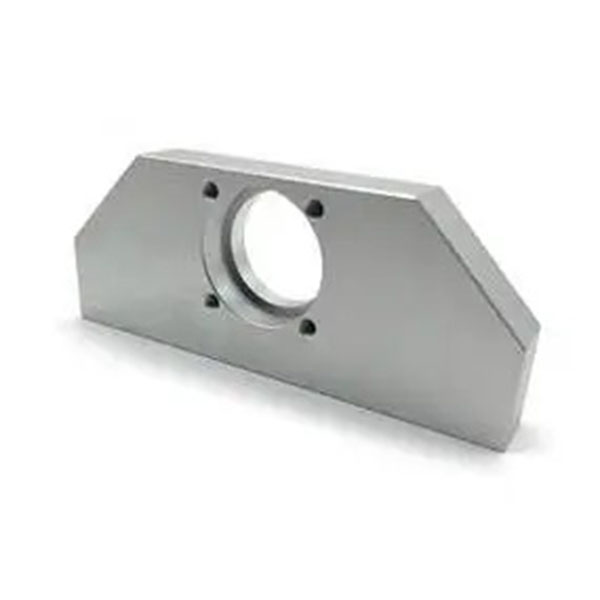
If you’re looking to create custom parts that balance strength, light weight, and affordability, custom CNC aluminum parts are an excellent choice. Whether you’re designing components for automotive engines, aerospace fittings, or consumer electronics enclosures, CNC machining of aluminum delivers precision, consistency, and quick turnaround. In this guide, we’ll break down everything you need to know—from choosing the right aluminum alloy to selecting finishing options and finding a reliable supplier—so you can make informed decisions and get parts that meet your exact specifications.
Why Choose Custom CNC Aluminum Parts?
The first question many people ask is: Why aluminum, and why CNC machining for custom parts? Let’s start with the material itself. Aluminum has a unique set of properties that make it ideal for custom manufacturing. It’s lightweight (with a density of around 2.7 g/cm³, far less than steel’s 7.8 g/cm³), yet it offers impressive strength when alloyed. This strength-to-weight ratio is a game-changer for industries like aerospace and automotive, where reducing weight without sacrificing durability directly improves performance—think better fuel efficiency in cars or increased payload capacity in planes.
CNC machining takes these aluminum advantages a step further. Unlike traditional manufacturing methods, CNC (Computer Numerical Control) machining uses computer programs to control tools, ensuring tight tolerances (often as low as ±0.001 inches) and consistent results across every part. For custom projects, this means you can create complex shapes—from intricate brackets to detailed electronic enclosures—that would be difficult or impossible with other techniques.
Let’s look at a real-world example. A small aerospace startup needed custom brackets to hold avionics equipment in a lightweight drone. They chose 6061-T6 aluminum for its corrosion resistance and machinability, and used CNC milling to create the brackets with precise holes and grooves. The result? Brackets that weighed 30% less than steel alternatives, met strict aerospace standards (AS9100D certified), and were delivered in just 5 days—fast enough to keep their prototype timeline on track.
Key benefits of custom CNC aluminum parts include:
- Excellent machinability: Aluminum cuts easily, reducing production time and costs compared to harder metals like titanium.
- Versatility: Suitable for a wide range of industries, from medical devices (ISO 13485 certified parts) to industrial machinery.
- Cost-effectiveness: Aluminum is abundant and affordable, and CNC machining minimizes waste, keeping per-part costs low.
- Durability: Alloyed aluminum resists corrosion, heat, and fatigue, ensuring parts last in harsh environments.
How to Select the Right Aluminum Alloy for Your Custom Parts
Choosing the correct aluminum alloy is critical—each type has unique properties that affect strength, corrosion resistance, and machinability. The wrong alloy can lead to parts that fail under stress, corrode quickly, or cost more to machine. Below is a breakdown of the most popular alloys for custom CNC aluminum parts, along with their key properties and ideal applications.
Popular Aluminum Alloys for CNC Machining
| Alloy | Tensile Strength (MPa) | Yield Strength (MPa) | Hardness (Brinell) | Corrosion Resistance | Best Applications |
| 2024-T3 | 483 | 345 | 120 | Poor (needs coating) | Aircraft fittings, bolts, pistons |
| 6061-T6 | 310 | 276 | 95 | Excellent | Bike frames, electrical fittings, enclosures |
| 7075-T6 | 572 | 503 | 150 | Moderate | Aircraft structures, gears, meter shafts |
| 5052-H32 | 260 | 193 | 60 | Excellent | Fuel tanks, sheet metal parts, oil lines |
| MIC-6 | 172 | 105 | 65 | Good | Assembly jigs, fixture plates, test structures |
Let’s dive deeper into a few standout alloys. 7075-T6 is one of the strongest aluminum alloys available, making it perfect for high-stress applications like aircraft wings or racing car components. However, its corrosion resistance is lower than 6061, so it often requires anodizing (we’ll cover that later) if used in wet or salty environments. On the other hand, 6061-T6 is a general-purpose alloy that balances strength, machinability, and corrosion resistance. It’s the go-to choice for many custom parts, from consumer electronics housings to industrial brackets, because it’s reliable and cost-effective.
For parts that need to be highly accurate and distortion-free, MIC-6 is a top pick. A tooling company we worked with recently used MIC-6 to create custom fixture plates for testing medical devices. The alloy’s uniform crystal structure meant it could be machined at high speeds without warping, and the plates maintained their precision even after repeated use—critical for ensuring consistent test results.
When selecting an alloy, ask yourself:
- What level of strength does the part need? (Choose 7075 for high strength, 6061 for moderate strength.)
- Will the part be exposed to moisture, chemicals, or extreme temperatures? (Opt for 6061 or 5052 for corrosion resistance.)
- Does the part require tight tolerances or complex shapes? (MIC-6 or 6061 are easy to machine precisely.)
CNC Machining Processes for Custom Aluminum Parts
CNC machining offers several processes to create custom aluminum parts, each suited to different shapes, sizes, and complexities. Understanding these processes will help you choose the right one for your project and avoid unnecessary costs.
1. CNC Milling
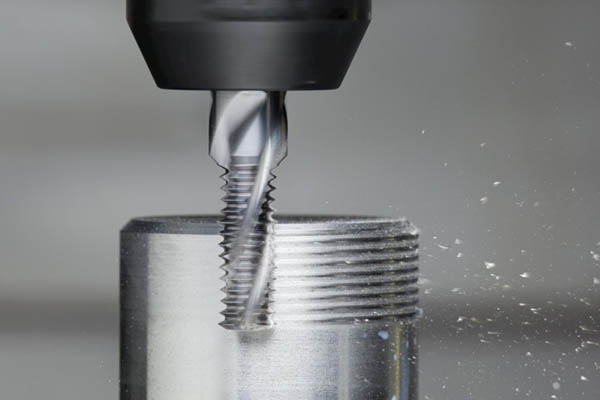
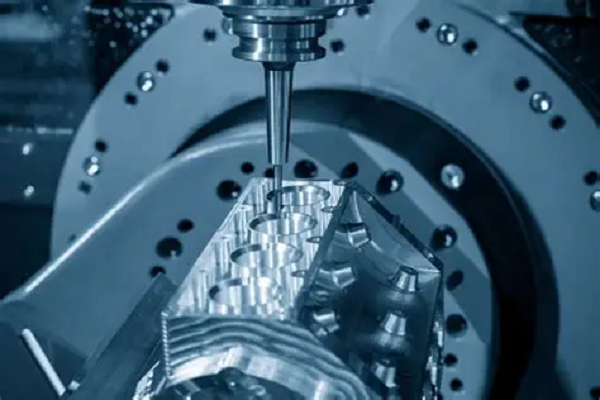
CNC milling uses rotating cutting tools to remove material from a solid aluminum block, creating 3D shapes. It’s ideal for parts with complex features like holes, slots, grooves, or curved surfaces. For example, a manufacturer of industrial equipment needed custom calipers with precise measurement markings. CNC milling allowed them to cut the caliper body from a 6061-T6 aluminum block and add tiny, accurate markings—something that would be nearly impossible with manual machining.
CNC milling can handle parts of all sizes, from small electronic knobs to large aerospace brackets, and offers tolerances as tight as ±0.0005 inches. It’s also fast: a simple custom bracket can be machined in just a few hours, making it great for prototypes and short production runs.
2. CNC Turning
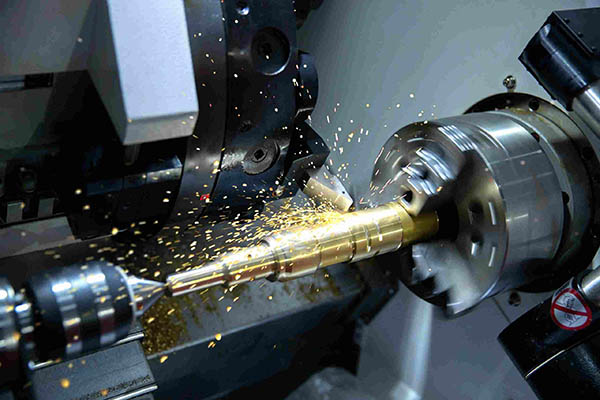
CNC turning is used to create cylindrical parts, like shafts, bolts, or pistons. The aluminum material is rotated, and a cutting tool is fed into it to shape the outside or inside of the part. A automotive parts supplier recently used CNC turning to make custom aluminum pistons for a high-performance engine. The process ensured each piston had a smooth, uniform surface and precise dimensions, which helped the engine run more efficiently.
CNC turning is faster than milling for cylindrical parts and can produce high volumes quickly. It’s also cost-effective for parts that need to be symmetrical, like bearings or bushings.
3. Waterjet Cutting
Waterjet cutting uses a high-pressure stream of water mixed with abrasive particles to cut through aluminum sheets or blocks. It’s ideal for 2D parts with complex shapes, like decorative panels or gaskets, and doesn’t generate heat—so there’s no risk of warping the aluminum. A furniture designer used waterjet cutting to create custom aluminum table legs with intricate patterns. The process cut the legs cleanly, with no burrs, and the designer was able to get the exact shape they wanted without compromising the aluminum’s strength.
Waterjet cutting is versatile and can handle thick aluminum (up to 6 inches or more), but it’s not as precise as milling or turning for 3D parts. It’s best for flat parts or parts with simple 2D shapes.
4. EDM (Electrical Discharge Machining)
EDM uses electrical sparks to remove material from aluminum, making it perfect for parts with tight spaces, sharp corners, or intricate details—like mold inserts or medical device components. A medical device manufacturer used EDM to create custom aluminum surgical tools with tiny, precise tips. The process allowed them to make parts with tolerances of ±0.0001 inches, which is critical for patient safety.
EDM is slower than milling or turning, but it’s the best choice for parts that require extreme precision or have complex internal features.
Surface Finishing Options for Custom CNC Aluminum Parts
Surface finishing not only improves the appearance of custom CNC aluminum parts but also enhances their durability, corrosion resistance, and functionality. Below are the most common finishing options, along with their benefits and applications.
1. Anodizing
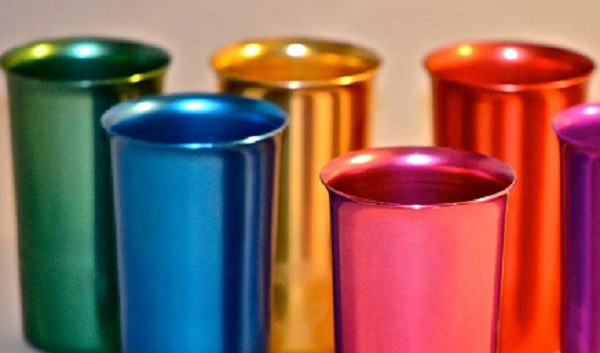
Anodizing is the most popular finishing method for aluminum parts. It creates a thin, protective oxide layer on the surface of the aluminum, which is hard, non-conductive, and resistant to corrosion. There are three main types of anodizing:
- Type I (Chromic Acid Anodizing): Creates a thin (0.5–2 mils) layer that’s ideal for welded parts or parts that will be painted. It’s often used in the aerospace industry for components that need a smooth, uniform surface. For example, a plane manufacturer uses Type I anodizing on welded aluminum brackets to prepare them for painting, ensuring the paint adheres well and the brackets resist corrosion at high altitudes.
- Type II (Sulfuric Acid Anodizing): Creates a thicker (2–10 mils) layer that’s harder and more durable than Type I. It’s used for parts that need to withstand wear, like carabiner hooks, flashlight handles, or motorcycle parts. A outdoor gear company uses Type II anodizing on their aluminum carabiners, making them resistant to scratches and rust even after years of use in harsh weather.
- Type III (Hard Anodizing): The thickest (10–30 mils) and hardest type of anodizing. It’s used for parts that need maximum durability, like automotive engine components, marine hardware, or military equipment. A marine manufacturer uses Type III anodizing on aluminum boat cleats, ensuring they can withstand saltwater corrosion and heavy use.
2. Powder Coating
Powder coating involves applying a dry powder to the aluminum surface and then heating it to melt and cure the powder, creating a thick, durable finish. It’s available in a wide range of colors and textures, making it ideal for parts that need to look good, like consumer electronics enclosures or furniture frames. A home appliance company uses powder coating on their aluminum refrigerator handles, giving them a sleek, matte finish that’s resistant to fingerprints and scratches.
3. Polishing
Polishing creates a smooth, shiny surface on aluminum parts. It’s often used for decorative parts, like trophy bases or architectural components, or for parts that need to reflect light, like optical reflectors. A lighting manufacturer uses polished aluminum for their fixture housings, ensuring the light is reflected evenly and the fixtures look modern and stylish.
4. Plating
Plating involves applying a thin layer of another metal (like chrome, nickel, or zinc) to the aluminum surface. It’s used to improve corrosion resistance, conductivity, or appearance. For example, a electronics manufacturer plates aluminum electrical connectors with nickel to improve their conductivity and prevent corrosion, ensuring reliable performance in devices like smartphones or laptops.
How to Find a Reliable Supplier for Custom CNC Aluminum Parts
Once you’ve designed your custom CNC aluminum part and chosen the alloy and finishing, the next step is finding a supplier that can deliver high-quality parts on time and within budget. Here are the key factors to consider:
1. Certifications
Look for suppliers with industry-specific certifications, as these ensure they meet strict quality standards. For example:
- ISO 9001:2015: A general quality management certification that ensures consistent production processes.
- AS9100D: For aerospace parts, this certification covers strict requirements for safety and reliability.
- ISO 13485: For medical devices, this certification ensures parts meet regulatory standards for patient safety.
- ITAR Registered: If you’re working on defense or military projects, ITAR registration is required to handle sensitive materials.
A aerospace client of ours recently chose a supplier with AS9100D certification for their custom aluminum aircraft fittings. The certification gave them confidence that the parts would meet the strict safety standards of the aerospace industry, and the supplier was able to provide documentation to prove compliance.
2. Turnaround Time
Quick turnaround is critical for prototypes and short production runs. Look for suppliers that offer “quick turn” services—many can deliver parts in 3–7 days for prototypes and 1–2 weeks for production runs. For example, a startup needed custom aluminum enclosures for their new smart device prototype. They chose a supplier that offered 5-day turnaround, allowing them to test the prototype quickly and make design changes before launching production.
3. Quality Guarantee
A reliable supplier should offer a 100% quality guarantee. This means they’ll replace or rework parts that don’t meet your specifications, with no extra cost. Look for suppliers that use quality control processes like dimensional testing (with tools like calipers or CMMs) and visual inspections to ensure every part is perfect.
4. Pricing and Minimum Order Quantity (MOQ)
Pricing should be transparent—look for suppliers that offer instant quotes (many have online tools where you can upload your CAD file and get a quote in minutes). Also, check the MOQ: if you’re making prototypes or small batches, choose a supplier with no MOQ or a low MOQ (like 1 part). This saves you money and allows you to test parts before ordering large quantities.
5. Customer Support
Good customer support is essential, especially if you’re new to custom CNC aluminum parts. Look for suppliers that have a team of engineers who can help you optimize your design for machining (like suggesting changes to reduce costs or improve durability) and answer your questions quickly. A small business owner we worked with had a question about which alloy to use for their custom aluminum brackets. The supplier’s engineer reviewed their design and recommended 6061-T6, explaining that it would be more cost-effective than 7075-T6 while still meeting their strength requirements.
Moshijia Technology’s View on Custom CNC Aluminum Parts
At Moshijia Technology, we believe custom CNC aluminum parts are a cornerstone of modern manufacturing—they blend precision, versatility, and affordability to meet the unique needs of industries from aerospace to consumer electronics. Over the years, we’ve seen how the right aluminum alloy and machining process can transform a design into a high-performance part. For example, we worked with a automotive client to redesign their aluminum engine brackets using 6061-T6 and CNC milling. The new brackets were 20% lighter and 15% stronger than the previous steel brackets, helping the client improve fuel efficiency and reduce emissions. We also emphasize the importance of surface finishing: anodizing, in particular, is a game-changer for durability, and we always recommend it for parts exposed to harsh environments. Finally, we believe in transparency—we offer instant quotes, no MOQ, and a 100% quality guarantee, so our clients can trust that they’re getting the best parts at the best price.
FAQ About Custom CNC Aluminum Parts
1. How long does it take to make custom CNC aluminum parts?
Turnaround time depends on the complexity of the part and the supplier, but most suppliers offer 3–7 days for prototypes and 1–2 weeks for production runs. Some suppliers even offer 1–3 day turnaround for simple parts.
2. What’s the difference between 6061-T6 and 7075-T6 aluminum for custom parts?
6061-T6 is a general-purpose alloy with excellent corrosion resistance and machinability, making it ideal for most custom parts (like enclosures or brackets). 7075-T6 is stronger but has lower corrosion resistance, so it’s better for high-stress parts (like aircraft structures or racing components) that may need anodizing.
3. Can custom CNC aluminum parts be used in outdoor or harsh environments?
Yes—with the right surface finishing. Anodizing (especially Type III) or powder coating improves corrosion resistance, making parts suitable for outdoor use (like marine hardware) or harsh environments (like industrial machinery).
4. Do I need a CAD file to order custom CNC aluminum parts?
Yes—most suppliers require a CAD file (in formats like STEP, IGES, or DXF) to machine your part. If you don’t have a CAD file, some suppliers offer free CAD software or design services to help you create one.
5. What’s the maximum size of custom CNC aluminum parts?
It depends on the supplier’s equipment, but most can handle parts up to 30 inches (length) × 20 inches (width) × 10 inches (height) for milling, and up to 12 inches in diameter for turning. For larger parts, you may need a specialized supplier.
6. Are custom CNC aluminum parts expensive?
No—aluminum is affordable, and CNC machining minimizes waste, so custom parts are often cheaper than you think. For example, a simple custom bracket can cost as little as \(20–\)50, depending on the size and alloy. Many suppliers also offer volume discounts for large orders.