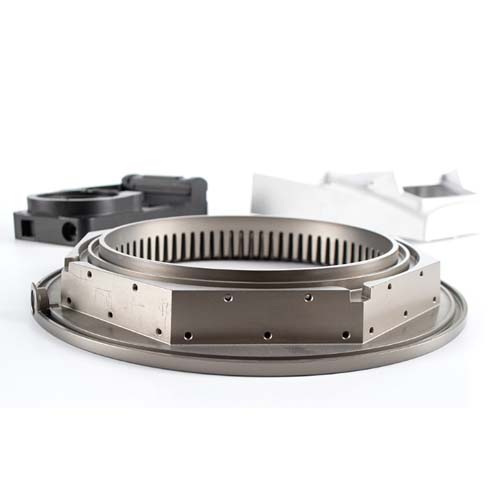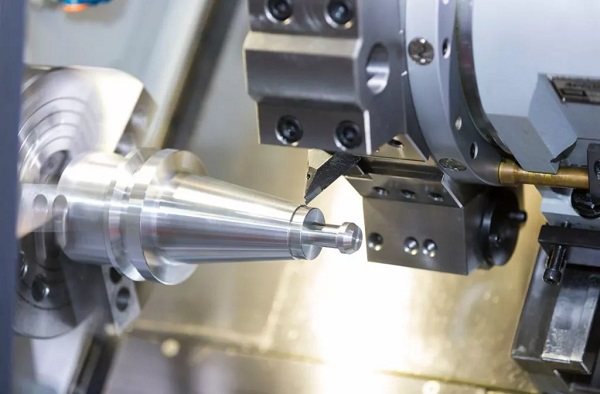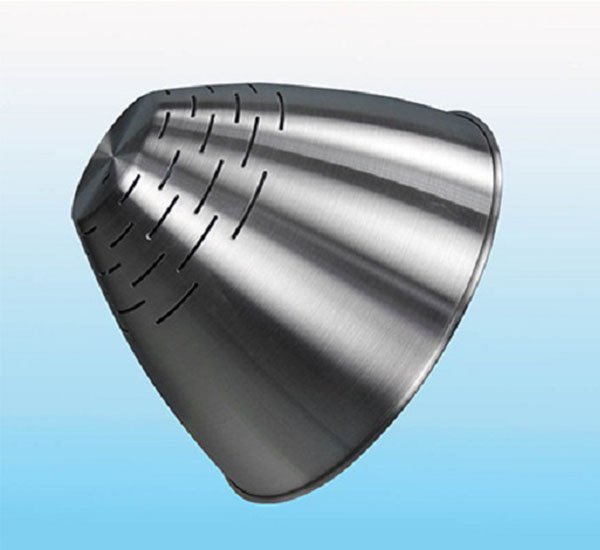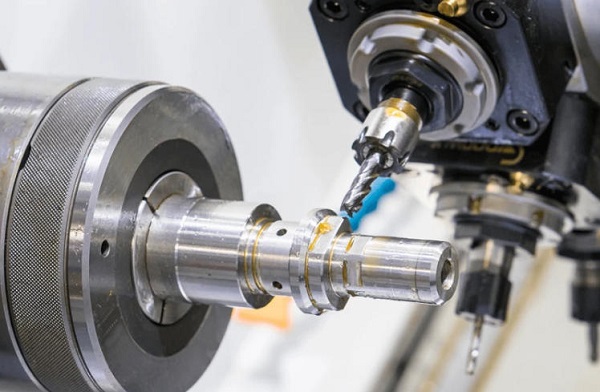
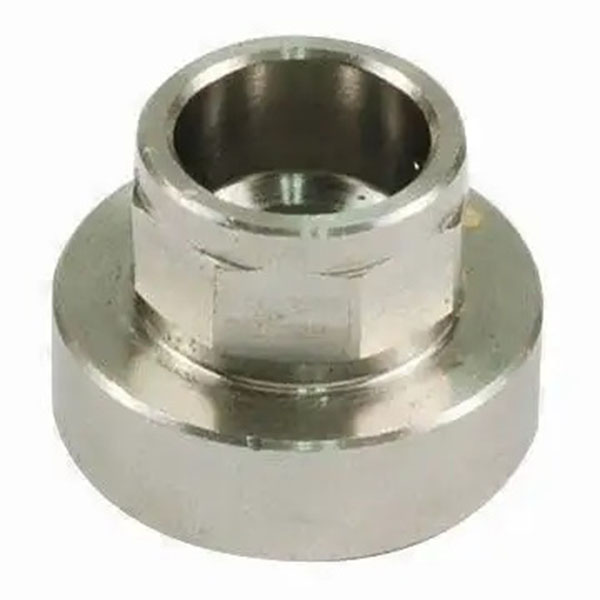
If you’re looking for information on aluminium CNC parts, you’re likely wondering which aluminium alloy to choose, how to design parts for cost-effectiveness, or where to find a reliable manufacturer. The good news is that aluminium is one of the most versatile materials for CNC machining—offering a strong strength-to-weight ratio, excellent machinability, and affordability—making it ideal for everything from prototypes to high-volume production. In this guide, we’ll break down everything you need to know to make informed decisions about aluminium CNC parts, from material selection to design tips and real-world applications.
Key Aluminium Alloys for CNC Machining: Which One to Choose?
Not all aluminium alloys are created equal, and selecting the right one for your aluminium CNC parts is critical to performance, cost, and manufacturability. Below is a detailed breakdown of the most common alloys, their properties, and ideal uses—backed by real-world examples to help you decide.
| Alloy | Key Properties | Ideal Applications | Real-World Example |
| 6061-T6 | Corrosion-resistant, easy to machine, heat-treatable | Prototypes, enclosures, automotive components | A manufacturer of industrial robots uses 6061-T6 for robot arm frames—its balance of strength and machinability keeps production costs low while ensuring durability. |
| 7075-T6 | High strength (68,000 psi tensile strength), aerospace-grade | High-stress parts (e.g., aircraft brackets, tooling) | An aerospace company relies on 7075-T6 for fuselage components—its ability to withstand extreme stress makes it a top choice for safety-critical parts. |
| 5052 | Exceptional corrosion resistance (saltwater-resistant), easy to weld | Marine parts, outdoor equipment | A boat manufacturer uses 5052 for hull fittings—its resistance to salt spray prevents rust and extends the part’s lifespan. |
| 2024-T4 | Excellent strength-to-weight ratio, lightweight | Aerospace components, high-performance automotive parts | A racing team uses 2024-T4 for engine mounts—its low weight improves fuel efficiency without sacrificing strength. |
| MIC6 | Stress-relieved, tight tolerances (+/- 0.005 mm) | Precision tooling, machine tables | A medical device maker uses MIC6 for surgical instrument bases—its stability ensures consistent precision during procedures. |
Pro Tip for Sourcing
If you’re unsure which alloy to pick, start with 6061-T6—it’s the most common and versatile option for most aluminium CNC parts. For high-stress or marine applications, upgrade to 7075-T6 or 5052, respectively.
Design Guidelines for Cost-Effective Aluminium CNC Parts
Designing aluminium CNC parts isn’t just about functionality—poor design can lead to higher costs, longer lead times, and even part failure. Below are actionable design tips, based on industry experience, to help you optimize your parts for machining.
1. Minimum Dimensions to Avoid Machining Issues
- Min Wall Thickness: Keep walls at least 0.5 mm thick. Thinner walls are prone to warping during machining—we once had a client request 0.3 mm walls for an electronic enclosure, which resulted in 30% of parts being rejected due to bending.
- Min Tool Sizes: Use end mills no smaller than 0.8 mm (0.03 in) and drills no smaller than 0.5 mm (0.02 in). Smaller tools break more easily, increasing production time and costs.
- Max Part Size: For CNC mills, the typical maximum size is 1200 x 500 x 152 mm. For lathes, it’s 152 x 394 mm (diameter x height). If your part exceeds these, discuss custom solutions with your manufacturer.
2. Undercuts and Radii: Balance Function and Machinability
- Undercut Profiles: Stick to square profiles, full radii, or dovetail profiles—these are easier to machine than complex shapes. Avoid “hidden” undercuts that require special tooling.
- Radii Depth Limits: For drills, depth can’t exceed 12x the bit diameter. For end mills, depth can’t exceed 10x the tool diameter. For example, a 5 mm end mill should only cut 50 mm deep—going deeper increases tool wear and reduces precision.
3. Cost-Saving Design Hacks
- Limit Setups: Each time the machine stops to reposition the part, costs go up. Design parts that can be machined in 1-2 setups. For example, a client redesigned their aluminium bracket to have all features on one side, cutting setup time by 40%.
- Avoid Tight Tolerances Unless Necessary: Tolerances of +/- 0.005 mm are possible, but they add cost. Use ISO 2768 medium tolerances for non-critical features—this can reduce costs by 15-20%.
- Choose the Right Stock Thickness: If surface finish isn’t critical, use stock material that’s as close to your final part thickness as possible. This reduces the amount of material that needs to be machined away.
Finishing Options for Aluminium CNC Parts: Aesthetics and Performance
The right finish can enhance the look, durability, and functionality of your aluminium CNC parts. Below are the most common options, along with their benefits and best uses.
1. Anodizing
Anodizing creates a protective oxide layer on the aluminium surface, improving corrosion resistance and wear resistance. It also allows for color customization—from black to red to gold.
- Type II Anodizing: The most common option, offering a thin, decorative finish. Ideal for consumer products like laptop casings (e.g., MacBook Pro).
- Type III Anodizing: A thicker, harder finish (also called “hard anodizing”). Used for high-wear parts like tooling or automotive components.
- Type III + PTFE: Adds a lubricating layer to Type III anodizing, perfect for moving parts like gears or hinges.
2. Conversion Coating
This chemical process creates a thin protective layer without changing the part’s appearance. It’s often used in aerospace and military applications because it improves paint adhesion and corrosion resistance. Alodine is a popular conversion coating—it can be clear or gold and is ideal for parts where a low-profile finish is needed.
3. Plating and Media Blasting
- Nickel Plating: Adds a shiny, corrosion-resistant layer. Great for decorative parts like furniture hardware or electronic connectors.
- Media Blasting: Uses abrasive materials (e.g., sand, glass beads) to create a matte or textured finish. Ideal for hiding surface imperfections or preparing parts for painting.
- Tumble Polishing: Creates a smooth, polished surface without using chemicals. Perfect for parts where a clean, natural look is desired.
Real-World Applications of Aluminium CNC Parts
Aluminium’s versatility makes aluminium CNC parts suitable for almost every industry. Below are five key sectors where aluminium shines, with specific examples of how parts are used.
1. Aerospace
Aerospace companies rely on aluminium CNC parts for their lightweight and high-strength properties. For example:
- Fuselage Frames: 7050 aluminium is used for bulkheads and fuselage frames—it offers high stress corrosion resistance, critical for withstanding pressure changes at high altitudes.
- Aircraft Brackets: 7075-T6 is used for engine brackets—its 68,000 psi tensile strength ensures it can support heavy loads.
2. Automotive
Weight reduction is key in automotive manufacturing, and aluminium delivers. Examples include:
- Engine Components: 6061-T6 is used for intake manifolds—its machinability and corrosion resistance make it easy to produce and long-lasting.
- Body Panels: 5052 is used for some body panels—it’s lightweight and easy to form, helping improve fuel efficiency.
3. Medical
Medical devices require precision and biocompatibility, and aluminium meets both needs:
- Surgical Instrument Bases: MIC6 aluminium is used for surgical tool bases—its stress-relieved properties ensure consistent precision during procedures.
- Device Enclosures: 6061-T6 is used for MRI machine enclosures—its non-magnetic properties won’t interfere with imaging.
4. Electronics
Electronics need lightweight, conductive, and corrosion-resistant parts:
- Heat Sinks: 6063 aluminium is used for heat sinks—its high thermal conductivity helps dissipate heat from microchips.
- Connector Housings: 5052 is used for connector housings—its corrosion resistance protects internal components from moisture.
5. Robotics and Automation
Robots require parts that are strong yet lightweight:
- Robot Arm Links: 6061-T6 is used for arm links—its balance of strength and machinability allows for precise movement.
- Gripper Components: 7075-T6 is used for grippers—its high strength ensures it can hold heavy objects without bending.
How to Choose a Manufacturer for Aluminium CNC Parts
Selecting the right manufacturer is just as important as choosing the right alloy. Below are key factors to consider, based on years of sourcing experience.
1. Experience and Expertise
Look for a manufacturer with experience in your industry. For example, if you need aerospace parts, choose a company that has worked with aerospace OEMs—they’ll understand industry standards (e.g., AS9100) and quality requirements.
2. Lead Times
Lead times for aluminium CNC parts can vary—some manufacturers offer lead times as fast as 3 days for simple parts. Ask about rush options if you have tight deadlines, but be aware that rush orders may cost more.
3. Quality Control
Ensure the manufacturer has strict quality control processes. For example:
- Do they use CMM (Coordinate Measuring Machines) to verify tolerances?
- Can they provide certifications (e.g., ISO 9001) for their processes?
4. Customer Service
A good manufacturer should act as a partner, not just a supplier. They should offer:
- Manufacturability Feedback: They should review your design and suggest improvements to reduce costs or improve performance.
- Transparent Pricing: They should provide detailed quotes with no hidden fees.
Example of a Reliable Manufacturer
Rapid Axis is a trusted provider of aluminium CNC parts—they offer custom machining, support for all major alloys, and lead times as fast as 3 days. They also provide finishing services (anodizing, plating) and have experience in aerospace, medical, and automotive industries.
Moshijia Technology’s Perspective on Aluminium CNC Parts
At Moshijia Technology, we believe aluminium remains a top choice for CNC machining due to its unbeatable combination of performance, cost, and versatility. Over the years, we’ve seen how aluminium CNC parts solve key challenges for clients—from reducing weight in automotive designs to ensuring precision in medical devices. We recommend starting with 6061-T6 for most projects, as it balances machinability and strength, and working closely with manufacturers to optimize designs for cost. Additionally, investing in quality finishes like anodizing can extend part life and improve aesthetics, making it a worthwhile investment for long-term projects.
FAQ About Aluminium CNC Parts
1. What is the most common type of aluminium used for CNC milling?
The most common type is 6061-T6 aluminium. It’s versatile, easy to machine, corrosion-resistant, and cost-effective—making it suitable for most aluminium CNC parts, from prototypes to production.
2. What is CNC billet aluminium?
CNC billet aluminium refers to aluminium that’s cut from a solid block (billet) using CNC machines. This process allows for precise, custom shapes—unlike extruded aluminium, which is limited to predefined profiles. Billet aluminium is ideal for complex aluminium CNC parts like engine components or tooling.
3. What are the benefits of CNC machining aluminium?
Key benefits include:
- Excellent Machinability: Aluminium cuts easily, reducing production time and costs.
- Strong Strength-to-Weight Ratio: Aluminium is lightweight but strong, making it ideal for weight-sensitive applications (e.g., aerospace, automotive).
- Corrosion Resistance: Most alloys (e.g., 5052, 6061) are corrosion-resistant, extending part life.
- Affordability: Aluminium is less expensive than metals like titanium or stainless steel.
4. How do you use a CNC router for aluminium?
CNC routers can machine aluminium, but they require special tools and settings:
- Use carbide cutters (high-speed steel cutters wear too quickly).
- Set slower feed rates (100-300 mm/min) to prevent overheating.
- Use cutting fluid to cool the tool and reduce friction.
- Secure the aluminium tightly to the router table to avoid movement during machining.
5. What is the maximum tolerance for aluminium CNC parts?
With a detailed drawing, tolerances can be as tight as +/- 0.005 mm. For parts without a drawing, most manufacturers use ISO 2768 medium tolerances, which are sufficient for non-critical features.