Introduction
Choosing the right anodized aluminum for your project doesn’t have to be complicated. Start by matching three things: your environment (indoor vs. outdoor), your wear needs (scratch resistance), and your budget. Most project failures happen when people pick the wrong anodizing type or ignore alloy compatibility. This guide walks you through each decision step using real-world specs and practical tips.
What Are Your Project’s Core Needs?
Environmental Exposure Level
Ask yourself: Will this part face salt spray, rain, UV, or chemicals? For indoor applications (enclosures, decorative trim), standard Type II anodizing works well. For outdoor projects (architectural panels, marine hardware), you need Type III with at least 15-25µm thickness for corrosion protection.
Mechanical Wear Requirements
Parts that slide, rub, or get frequent handling need harder surfaces. Type III (hard anodized) reaches 50-70 Rockwell C compared to Type II’s ~30 HRC. Example: A hydraulic piston rod failed after 3 months with Type II but lasted 2+ years after switching to Type III 50µm coating.
Which Anodizing Type Fits Your Application?
Type II vs. Type III: Quick Comparison
| Property | Type II (Standard) | Type III (Hard Anodized) |
|---|---|---|
| Coating thickness | 5–18µm | 25–100µm+ |
| Hardness (HRC) | ~30 | 50–70 |
| Wear resistance | Moderate | Excellent (10x Type II) |
| Corrosion protection | Good for indoor | Excellent for marine/chemical |
| Color options | Wide range (dyed) | Limited (dark bronze/black) |
| Cost per sq.ft | $2–5 | $8–20 |
Real Case: Choosing for Drone Components
A drone manufacturer needed lightweight, wear-resistant arms for outdoor use. Type II chipped after 20 flight hours. Type III at 35µm solved the issue with only 15% cost increase. They saved warranty claims worth $50k/year.
What Aluminum Alloy Works Best?
6061 vs. 5052 vs. 7075
Not all alloys anodize the same way. Here’s what experienced buyers check:
- 6061: Most common, good machinability, clear anodizing looks even. Ideal for structural parts, bicycle frames, consumer electronics.
- 5052: Excellent corrosion resistance, bends well. Best for marine environments and fuel tanks.
- 7075: Very strong (similar to steel), but anodizing can show grain lines. Use for high-stress aerospace parts where strength > appearance.
Critical fact: 5000-series alloys (5052) produce 20% thicker anodic layers than 6000-series at the same settings. This means lower energy cost for equal protection.
How Thick Should the Anodized Layer Be?
Standard Thickness Guidelines by Use Case
| Application | Recommended thickness | Anodizing type |
|---|---|---|
| Decorative indoor parts | 5–10µm | Type II |
| General indoor/outdoor | 10–15µm | Type II |
| Architectural (windows, railings) | 15–25µm | Type II or III |
| Marine/coastal hardware | 25–50µm | Type III |
| High-wear (pistons, gears) | 50–100µm | Type III |
Rule of thumb: For every 10µm of thickness, you roughly double the corrosion resistance (per ASTM B117 salt spray test). 10µm lasts 200–300 hours; 30µm lasts 800+ hours.
Does Color Matter Beyond Appearance?
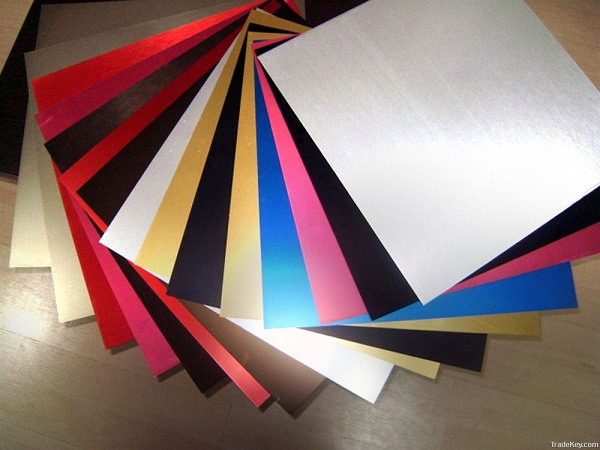
Dyed vs. Unsealed vs. Two-Step
Color isn’t just cosmetic. Here’s what works:
- Clear/unsealed: Lowest cost, but stains easily. Use only for hidden interior parts.
- Dyed (Type II): Wide color range, but UV fades in 1–2 years outdoors. Add UV-stable dyes for extra $0.50/sq.ft.
- Two-step electrolytic coloring: Bronze/black tones only, but 10x more UV resistant. Standard for outdoor architectural use.
Case Study: Outdoor Signage Failure
A retail chain used dyed red Type II for outdoor signs. Colors faded noticeably in 8 months. Switching to two-step bronze eliminated repainting costs ($12k/year) with no visible fading after 3 years.
How Does Sealing Affect Performance?
Hot Water vs. Cold vs. Mid-Temperature Sealing
Sealing closes microscopic pores in the anodic layer. Poor sealing ruins corrosion protection.
| Seal type | Corrosion resistance | Smut/Blush risk | Cost |
|---|---|---|---|
| Hot water (96–100°C) | Excellent | Low | Low |
| Cold (nickel acetate) | Very good | Medium | Medium |
| Mid-temp (60–80°C) | Good | High (requires desmut) | Medium-high |
Expert tip: Always ask your supplier for a seal quality test per MIL-A-8625. Many cheap suppliers skip proper sealing, causing failures within months. A proper hot-water seal adds only $0.20–0.50/sq.ft but extends part life 3–5x.
Which Supplier Should You Trust?
5-Point Supplier Checklist
Use this list when evaluating anodizing shops:
- Do they have MIL-A-8625 or ISO 7599 certification? Yes → Basic quality assurance.
- Can they provide test reports? Look for thickness (eddy current) and salt spray results.
- What’s their typical lead time? 5–7 days for Type II, 10–15 for Type III is standard.
- Ask about their sealing process. “Hot water sealing at 98°C for 30 min” = good. Vague answers = red flag.
- Request a sample panel. Run your own scratch or salt spray test before full production.
Red Flags to Avoid
- No rack marks visible on samples (means they mask everything → higher cost)
- Cannot specify exact alloy they anodize (mixing alloys gives uneven color)
- Price per sq.ft below $1.50 (likely skips sealing or uses thin coating)
Conclusion
Choosing anodized aluminum comes down to matching three variables: environment, wear, and budget. For outdoor or high-wear projects, invest in Type III with 25–50µm thickness and hot water sealing. For indoor decorative needs, Type II at 10–15µm with dyed color is cost-effective. Always verify alloy compatibility (5052 or 6061 are safe bets) and ask suppliers for test reports. When in doubt, run a small sample batch. The right choice typically adds 10–20% upfront cost but avoids 3–5x replacement expenses later.
FAQ
What is the difference between Type II and Type III anodized aluminum?
Type II is standard anodizing (5–18µm thick, moderate hardness). Type III is hard anodizing (25–100µm+, 2x harder, 10x more wear-resistant). Use Type III for outdoor, marine, or high-friction parts.
Can all aluminum alloys be anodized?
No. 5000 and 6000 series work best. 2000 and 7000 series (high copper) anodize poorly with uneven finishes and lower corrosion resistance. Avoid cast alloys like A380 for decorative anodizing.
How thick should anodized aluminum be for outdoor use?
Minimum 15µm for general outdoor. For coastal/marine or high-UV areas, use 25–50µm Type III. Each 10µm roughly doubles salt spray resistance.
Does anodized aluminum fade in sunlight?
Clear anodizing does not fade. Dyed colors (Type II) fade in 1–2 years outdoors. Two-step electrolytic bronze/black lasts 10+ years without visible fading.
How do I test if anodizing is high quality?
Rub a copper coin firmly on the surface. Low-quality anodizing leaves a dark streak. Also apply a drop of dye and see if it wipes off (sealed coating won’t absorb it). Ask for salt spray test reports (>500 hours for good outdoor coating).
Get projects quote with Moshijia Technology
Need help specifying the right anodized aluminum for your project? We provide free alloy and thickness recommendations based on your actual use case. Send your drawing or part photos to our engineers for a same-day quote. Moshijia Technology – precision anodizing with full test reports, MIL-A-8625 certified.