
Basic knowledge of low-volume CNC machining
In modern manufacturing, low-volume CNC machining has gained increasing attention. So, what exactly is low-volume CNC machining? In simple terms, low-volume CNC machining refers to the use of computer numerical control (CNC) machines to perform precision machining services for metal or non-metallic materials for small-scale orders, typically ranging from 10 to 10,000 pieces. This machining method differs from high-volume machining in many ways.
In terms of order volume, the order volume for high-volume processing is usually large, which may be tens of thousands or even hundreds of thousands of pieces, while low-volume processing focuses on relatively small order sizes. In terms of production cycle, high-volume processing can be sustained, reducing the idle time of machine tools and the frequency of workpiece replacement, and the overall production cycle is short; low-volume processing requires frequent workpiece replacement and machine tool adjustment, which increases production preparation time, and the production cycle is relatively long. For example, an auto parts manufacturer uses high-volume CNC machining to produce standardized car wheels, producing thousands of pieces at a time, and the production cycle may only take a few days; when customizing special interior parts for a new concept car, using small-batch CNC machining, the production quantity may only be a few dozen pieces, but it may take several weeks from programming, debugging to machining completion.
Small-order CNC parts offer significant advantages in product development and personalized customization. In the product development stage, companies often need to quickly verify design solutions, and low-volume CNC machining can produce a small number of high-precision parts in a short period of time for product testing and optimization, greatly shortening the R&D cycle. For example, when developing a new mobile phone, a mobile phone manufacturer uses low-volume CNC machining to produce samples of the phone shell and internal key components, promptly identifying design issues and making improvements, thereby speeding up the time to market. For personalized customization needs, low-volume CNC machining can flexibly adjust the machining process and parameters according to the unique requirements of customers to produce unique parts. For example, some high-end jewelry brands will use low-volume CNC machining to customize metal accessories with unique designs to meet customers’ pursuit of personalization and high quality.
CNC machining MOQ is not fixed, it is affected by various factors. In terms of equipment, different types and specifications of CNC machine tools have different MOQs. Some large, high-precision machine tools may require higher MOQs due to high equipment costs and complex debugging; while small, general-purpose machine tools have relatively low MOQs. The complexity of the process will also have an impact on MOQ. Simple machining processes, such as ordinary milling and drilling, may have a smaller MOQ; while complex processes, such as five-axis linkage machining and precision EDM, may have higher MOQs due to the difficulty and time-consuming processing of them. Shenzhen Weimaite CNC Machining has been deeply involved in medical parts processing for many years, and once encountered a start-up medical equipment company that needed to customize a batch of high-precision diagnostic instrument accessories, with an initial trial production of only 50 pieces, which is much lower than the regular MOQ. Weimet’s engineers found that there are two areas where the parts designed by the other party can be optimized – after adjusting the hole tolerance, it can be matched with the existing standardized tool head to reduce the debugging time; merging the two small parts into one does not affect the performance and reduces the difficulty of processing. Through such technical optimization, the equipment commissioning cost is reduced by 30%, the loss of raw materials is reduced by 20%, and the MOQ of the original 200 pieces is directly reduced to 50 pieces, which perfectly matches the customer’s needs.
Small order quick-return CNC service models have gradually emerged in recent years. This model first produces products in small batches for market testing, and then quickly returns orders based on market feedback. Its advantage lies in its ability to respond quickly to market changes and reduce inventory backlogs. Taking the clothing industry as an example, a clothing brand adopts the small order quick-return CNC service model, first producing a small number of new garments and putting them on the market, and quickly replenishing popular styles based on consumer purchase data and feedback, avoiding the inventory backlog problem caused by the production of a large number of unpopular styles. At the same time, this model can also meet consumers’ pursuit of personalization and fashion, because the production style and quantity can be quickly adjusted.
Applicable material and process selection
Material selection
In low-volume CNC machining, the choice of material is crucial, directly impacting the part’s performance, cost, and machining difficulty.
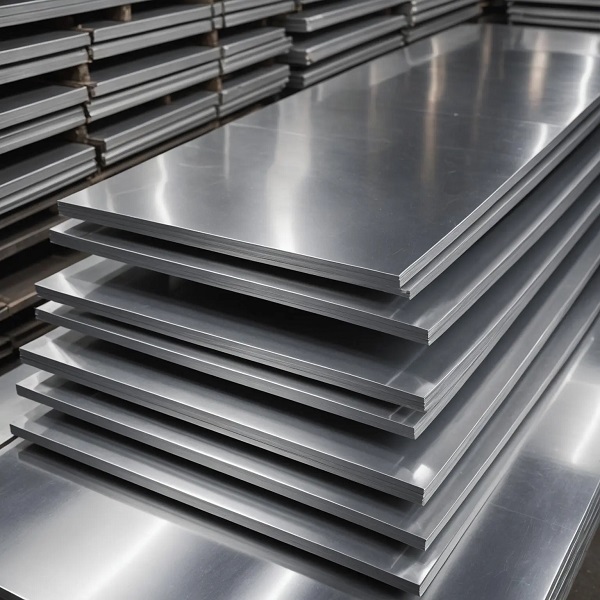
Aluminum alloys are widely used in low-volume CNC machining due to their low density, high strength, and corrosion resistance, especially in fields such as aerospace, automotive manufacturing, and electronic devices. Aluminum alloy has good machinability, low cutting resistance, good chip breaking performance, and light wear on tools, which is conducive to achieving high-speed machining and obtaining a smooth surface. Through CNC machining, aluminum alloys can achieve the processing of complex curved surfaces, special-shaped holes, and high-precision mating parts, meeting the needs of various complex designs. Shenzhen Topway Model Technology Co., Ltd. has been deeply involved in the field of aluminum alloy CNC machining for 23 years, with more than 130 three-axis, four-axis, and five-axis CNC machining centers, and its professional technical team can provide customers with one-stop service from product design, rapid prototype proofing to mass production of aluminum alloy CNC machining.
The cost composition of stainless steel small single CNC parts is complex. The cost of materials is the basic part, and the price of different types and specifications of stainless steel varies greatly, such as 304 stainless steel and 316L stainless steel, which has better corrosion resistance due to the molybdenum element, and the price is relatively high. Due to the high toughness and poor thermal conductivity of stainless steel, it is easy to produce work hardening during processing, and the requirements for tool selection and cutting parameters are high, resulting in the prolongation of machining time. The cost of equipment and tool wear cannot be ignored, and the tool wears out quickly when machining stainless steel, which needs to be replaced regularly, increasing the cost. In the production of stainless steel single CNC parts for medical device housings, due to the high requirements for precision and surface quality, the processing is difficult, and the cost increases accordingly.
Titanium alloys have the characteristics of lightweight, high strength, high temperature resistance, and corrosion resistance, and have important applications in high-end fields such as aerospace and medicine. However, titanium alloy is difficult to process, its thermal conductivity is low, and the heat is easy to concentrate in the contact area between the tool and the workpiece during the machining process, resulting in an increase in the cutting temperature and aggravating tool wear. It has high chemical activity and is prone to reacting with tool coatings at high temperatures. To overcome these challenges, tool materials with high wear resistance and good thermal conductivity, such as high-speed steel containing cobalt or specific coated carbide, need to be used, and a process with lower cutting speeds, smaller feeds, and adequate cooling is required.
Plastics are also widely used in CNC low-volume machining, with common materials such as ABS, nylon (PA), polycarbonate (PC), and more. ABS has good mechanical properties, excellent impact strength, high heat resistance and good machinability, and is often used in the manufacture of plastic shells, auto parts, electronic product shells, etc. Nylon has excellent mechanical properties, good impact strength, and high chemical and wear resistance, and is often used to manufacture engineering plastic parts such as gears and bearings. Polycarbonate has high toughness, good machinability and excellent impact strength, and is widely used in fluid devices, automotive glass, electronic appliances and other fields. When choosing plastic materials, it is necessary to consider the use environment, performance requirements and adaptability of the processing process.
Process selection
The five-axis CNC low-volume complex process offers unique advantages when it comes to machining complex parts. It adds two axes of rotation to the traditional three axes (X, Y, Z axes), allowing the tool to approach the workpiece from multiple angles. This means that complex curved surfaces, inclined holes, or special-shaped structures can be machined in a single clamping, avoiding the accumulation of errors caused by multiple repositioning and greatly improving machining accuracy. In the aerospace field, parts such as turbine blades often have complex aerodynamic surfaces, and five-axis machining can ensure the high precision and consistency of these components, enhancing product reliability.
Compared with three-axis machining, five-axis machining offers significant improvements in machining efficiency and accuracy. Three-axis machining can only move in three directions: X, Y, and Z, and requires multiple clamping and machining for complex parts, while five-axis machining can continuously process multiple faces of the workpiece through multi-axis linkage, without stopping the machine to re-fix the workpiece, saving time and reducing the risk of human error. 5-axis machines are typically equipped with high-speed spindles and advanced control systems, enabling faster cutting speeds and feed rates, further reducing production cycles. However, the cost of five-axis machining equipment is high, the programming and operation are also difficult, and the technical level of the operator is higher.
Cost control and quotation strategy
Cost control
In low-volume CNC machining, cost control is a key focus for businesses. Understanding the components of the low-volume CNC part unit price calculation formula is crucial for controlling costs effectively. Typically, the formula for calculating the unit price of small batch CNC parts is: total quotation = material cost + machining fee + surface treatment fee + management fee + packaging and transportation fee + profit.
Material cost is an important part of the cost, which is calculated as the unit price of the material × the amount of material. The market prices of different materials fluctuate greatly, such as aluminum alloys, stainless steel, titanium alloys and other metal materials, as well as plastic materials such as ABS and nylon, with significant price differences. The amount of material needs to be accurately calculated according to the size and shape of the part, while considering the loss during the processing process. When processing aluminum alloy parts, if the unit price of 6061 aluminum alloy used is 30 yuan/kg and the amount of parts is 0.5kg, then the material cost is 30×0.5=15 yuan.
The calculation of machining fee is more complex, including single piece machining time × machine tool cost rate + tool consumables cost + auxiliary processing fee. The processing time of a single piece depends on the complexity of the part and the processing process, and complex parts require more processing steps and time. The machine tool expense rate is calculated on an hourly basis and covers the depreciation, energy consumption and labor costs of the machine tool. The cost of tool consumables is the loss cost of the tool in the processing process, and the price and service life of different types of tools are different, which will affect this part of the cost. Auxiliary processing fees include adjustment, programming and testing costs. If the machining time of a single part is 2 hours, the machine tool cost rate is 150 yuan / hour, the tool loss is 10 yuan, and the auxiliary machining fee is 20 yuan, then the processing fee is 2×150+10+20=330 yuan.
To reduce small order CNC setup costs, there are a range of methods and techniques that can be employed. In the part design stage, avoid designing too complex structures, reduce the requirements of special-shaped structures, deep cavity machining and high-precision tolerances, which can reduce the difficulty and time-consuming of machining. Try to use standard tools and general fixtures to reduce the use of special tools and fixtures, thereby reducing the cost of tools and fixtures. Optimize programming, reduce empty tool travel, improve machining efficiency, and reduce machining time costs by reasonably selecting cutting paths, tool speeds, and feeds. When machining low-volume CNC parts for a medical equipment company, Shenzhen Changhong Precision simplified the originally complex part structure through optimized design, reduced unnecessary machining features, shortened machining time by 30%, and avoided the use of special tools and fixtures, successfully reducing setup costs by 35%.
There are several CNC low-volume fixed expense amortization methods, with the common being amortization based on order volume and production time. Amortization according to order volume, that is, fixed expenses such as equipment debugging, programming, and fixture production are evenly distributed to each part. If a batch of small order CNC parts is machined, the fixed cost is 5000 yuan, and the order volume is 100 pieces, then the fixed cost shared for each part is 5000÷100=50 yuan. Amortization by production time is to allocate fixed costs to hourly production based on the total time spent on producing this batch of parts. Assuming that it takes a total of 50 hours to produce this batch of parts, and the fixed cost is 5000 yuan, then the fixed cost shared per hour is 5000÷50=100 yuan.
Quote strategy
A clear and accurate small order CNC quotation template is crucial for both businesses and customers. Here’s a common small order CNC quotation template with a breakdown of various expenses:
| Fee category | name | Specification model | unit | Quantity used | Unit Price (RMB) | Total Price (RMB) | Remarks / Usage |
| The main material cost | Square tube | – | kg | – | 5.00 | – | Or convert to rice |
| armor plate | – | kg | – | 5.00 | – | – | |
| Auxiliary material costs | Cutting sheet | – | slice | – | 12.00 | – | – |
| Grinding discs | – | slice | – | 2.00 | – | – | |
| paint | – | kg | – | 23.00 | – | – | |
| Electrode | – | kg | – | 18.00 | – | – | |
| Labor costs | Blanking | – | man-hour | – | 20.00 | – | – |
| splicing | – | man-hour | – | 25.00 | – | – | |
| weld | – | man-hour | – | 25.00 | – | – | |
| burnish | – | man-hour | – | 25.00 | – | – | |
| paint | – | man-hour | – | 25.00 | – | – | |
| Installation | – | man-hour | – | 25.00 | – | – | |
| fitter | – | man-hour | – | 25.00 | – | – | |
| electrician | – | man-hour | – | 25.00 | – | – | |
| Machinery costs | Cutters | – | man-hour | – | 5.00 | – | – |
| Gas protection welding | – | man-hour | – | 5.00 | – | – | |
| scaffold | – | man-day | – | 50.00 | – | – | |
| milling machine | – | man-hour | – | 35.00 | – | – | |
| lathe | – | man-hour | – | 35.00 | – | – | |
| drill press | – | man-hour | – | 35.00 | – | – | |
| CNC | – | man-hour | – | 85.00 | – | – | |
| Design fee | – | – | – | – | – | – | – |
| freight | – | – | times | 1.00 | – | – | – |
| Administrative and financial fees | [(Main material cost + auxiliary material cost + labor cost + machinery cost + design fee + freight]×3% | – | – | – | – | – | – |
| profit | [(Main material cost + auxiliary material cost + labor cost + machinery cost + design fee + freight + management fee and financial expenses] ×15% | – | – | – | – | – | – |
| vat | [(Auxiliary material cost + labor cost + machinery cost + design fee + freight + management fee and financial cost + profit]×17% | – | – | – | – | – | – |
| Product price | Main material cost + auxiliary material cost + labor cost + machinery cost + design fee + freight + management fee and financial cost + profit + VAT | – | – | – | – | – | – |
In low-volume CNC machining, there are also hidden expenses that can be easily overlooked. Tool loss is an important hidden expense, as the tool gradually wears out as the process progresses, and needs to be replaced regularly, which increases the cost. Equipment maintenance costs cannot be ignored, as CNC machines require regular maintenance and repairs to ensure their accuracy and stability, which are spread over the machining cost of each part. In order to ensure the quality of parts, various tests are required, such as dimensional testing, surface roughness testing, etc., the use and maintenance of testing equipment and the labor cost of inspectors will affect the quotation. In addition, there are some possible hidden costs, such as rework costs caused by problems in the processing process, scrapping costs due to raw material quality problems, etc.
Delivery and supply chain risk
Delivery management
In low-volume CNC machining, the standard lead time for low-volume CNC parts is influenced by several factors. The complexity of the part is one of the key factors, and complex parts, such as parts with multiple curved surfaces, precision internal holes, and special-shaped structures, are difficult to program, have many machining processes, and require more processing time. The processing accuracy requirements will also affect the delivery time, and the high precision requirements mean stricter processing control and more testing links, such as the processing of aero engine blades, the precision requirements are extremely high, and the processing cycle will be extended accordingly.
When choosing a fast turnaround CNC small order factory, there are several key points to focus on. The first is the factory’s equipment and technical strength, advanced equipment, such as high-speed and high-precision CNC machine tools, as well as efficient processing technology, which can improve processing efficiency and shorten processing time. Factories with multiple five-axis linkage CNC machines can complete the processing of multiple sides at one time when machining complex parts, greatly improving machining efficiency. The second is the factory’s production management capabilities, reasonable production planning and scheduling, which can ensure that orders are completed on time. A factory with a complete production management system can optimize the production schedule and improve production efficiency according to the urgency of the order and the availability of equipment. The quality of the factory’s personnel is also very important, experienced technicians and operators can quickly solve problems in the processing process to ensure smooth production.
Small orders for CNC supply chain disruptions cannot be ignored. Raw material supply risk is a common problem, such as production failures, transportation delays, etc., which will lead to the inability of raw materials to be supplied on time, affecting production progress. The financial situation of suppliers is unstable, which can also lead to supply disruptions. Logistics and transportation risks can also lead to supply chain disruptions, such as traffic accidents during transportation, bad weather, etc., which will affect the transportation time of parts. The risk of demand fluctuations will also have an impact on the supply chain, and sudden changes in market demand may lead to an increase or decrease in order volume, putting pressure on production and supply.
To address these risks, a number of measures can be taken. In terms of raw material supply, establish cooperative relationships with multiple reliable suppliers to avoid over-reliance on a single supplier. At the same time, establish safety stock to deal with short-term interruptions in the supply of raw materials. In terms of logistics transportation, choose a reliable logistics partner, sign a transportation contract, and clarify the transportation time and responsibilities. You can purchase logistics insurance to reduce transportation risks. In terms of demand fluctuations, strengthen market forecasts, maintain close communication with customers, and adjust production plans in a timely manner.
Costs and logistics
Low-volume CNC expedite rate algorithms are typically determined based on the degree of expedite and additional resource investment. Some factories will add a certain percentage of the expedited fee to the normal cost according to the urgency of the order, such as an expedited 24-hour order, which may add a 50% fee. Expedited expenses may also include additional equipment loss and overtime costs due to expedited production.
When choosing a small order CNC logistics solution, there are several factors to consider. For parts that are lighter, smaller in size, and require high transit time, such as small electronic parts, air transportation can be chosen, which is fast and can meet the needs of fast delivery. For parts with large weight, large volume and relatively low transportation time requirements, such as large mechanical parts, sea or land transportation can be chosen, and its transportation cost is relatively low. In terms of packaging, it is necessary to choose the appropriate packaging materials and methods according to the characteristics of the parts to ensure that the parts are not damaged during transportation. Precision parts need to use shock-absorbing and moisture-proof packaging materials, such as foam, desiccant, etc. At the same time, it is necessary to do a good job in the identification and protection of the packaging to prevent parts from colliding during the handling process.
In the logistics process, you also need to pay attention to the tracking and feedback of logistics information. Choose a logistics provider that can provide real-time logistics information tracking services to keep abreast of the transportation status of parts. Establish a feedback mechanism for abnormal logistics so that timely measures can be taken to solve problems when there are abnormal situations such as transportation delays and damage to goods. If you find a delay in the transportation of parts, communicate with the logistics provider in time to understand the reason and negotiate a solution.
Quality and testing standards
Quality standards
Quality control is crucial in low-volume CNC machining, and following the right quality standards is fundamental to ensuring product quality. ISO2768-mK is one of the commonly used standards for low-volume CNC parts, and it is widely used in the manufacturing industry and holds important guiding significance.
ISO2768 is a standard set by the International Organization for Standardization (ISO) regarding dimensional and geometric tolerances, where “mK” represents a specific combination of tolerance levels. “M” stands for medium tolerance level and is suitable for machined parts with general precision requirements; “K” also indicates medium precision for shape and position tolerances. In the field of mechanical engineering, many general mechanical parts, such as shaft and disc parts, often use the ISO2768-mK standard to control dimensional accuracy and shape position accuracy.
For linear sizes, the tolerance is 0.5mm when the size range is ±0.1mm – 3mm; At 3 – 6mm, the tolerance is ±0.1mm; At 6 – 30mm, the tolerance is ±0.2mm; At 30 – 120mm, the tolerance is ±0.3mm; At 120 – 400mm, the tolerance is ±0.5mm. For angular dimensions, the tolerance is 10° when the dimensions are less than ±1°; At 10 – 50°, the tolerance is ±0°30′; At 50 – 120°, the tolerance is ±0°20′. These tolerance requirements ensure dimensional consistency and interchangeability of parts.
Small CNC first article inspection is a critical part of ensuring product quality. Before mass production, it is important to carry out a comprehensive and detailed inspection of the first or first machined parts. Through the first article inspection, problems such as processing program errors, tool wear, loose fixtures, and machine tool parameter deviations can be found in time, so as to avoid the production line from continuing to produce a large number of non-conforming products, so as to prevent the occurrence of batch scrapping. In low-volume CNC machining of aerospace components, first article inspection ensures that critical dimensions and shape tolerances meet design requirements, avoiding potential aircraft flight safety hazards due to part quality issues.
The process of first article inspection generally includes the following steps. In the preparation stage, it is necessary to collect the latest product drawings (including all dimensional tolerances, shape and position tolerances, surface roughness requirements), process cards, tool lists, fixture drawings, inspection standards and other information. Check whether the fixture is firmly installed and positioned accurately; Whether the tool is selected correctly, the cutting edge is sharp, and the protruding length is reasonable. Confirm that the machine tool is running normally, lubrication is sufficient, coolant is sufficient, and the compensation parameters are correct. In the first part processing and sampling stage, the first or first batch of parts are processed in strict accordance with the process requirements and procedures. Before the first piece fails the test, mass production is strictly prohibited, and the production line should wait for the test results. In the detailed measurement and recording stage, it is necessary to use various precision measuring instruments to conduct all-round inspection of parts. Visually check whether there are scratches, burrs, bumps, poor oxidation and other defects on the surface of the parts. Use calipers, micrometers, height gauges, depth gauges, etc. to measure all key dimensions on the drawing. Use coordinate measuring machine (CMM), cylindrical meter and other equipment to accurately measure the parallelism, perpendicularity, coaxiality, roundness and other shape tolerances of parts. Use a roughness meter to detect whether the surface roughness of the part meets the requirements. For special materials or parts with strict requirements, it may be necessary to use a spectrometer for rapid verification of material composition to ensure that the incoming material is consistent with the drawing requirements.
quality assurance
The assurance of the CPCPK (Process Capability Index and Offset Process Capability Index) for small batches is essential for the stability of product quality. CPCPK is an indicator that measures the degree to which the process capability meets product quality standards (tolerances, specifications, etc.). When the distribution center coincides with the tolerance center, the process capability index is recorded as CP; when the distribution center deviates from the tolerance center, the process capability index is recorded as CPK.
To ensure CPCPK, we must first clarify the key variables, that is, key quality factors. Analyze each process (causal diagram available) to find out the variable that has the greatest impact on the final product, that is, the key variable (available permutation chart). After identifying the key variables, list the process control network diagram and list the key variables of each process in the order of the process. Conduct specific analysis of each key variable, establish process control standards, and fill in the process control standard table. During the production process, the control chart is used to monitor the process, identify problems in time and revise the control standard manual. If the CPCPK value is found to be unsatisfactory, traditional quality management methods, such as seven tools, can be used for analysis; diagnostic theories, such as two quality diagnosis theories, can also be applied for analysis and diagnosis.
The control of surface roughness in low-batch CNC is also an important aspect of quality assurance. Surface roughness refers to the characteristics of the microscopic shape of the surface of a part, which directly affects the performance, durability, and appearance of the part. In mechanical transmission components, smooth surfaces can reduce wear and improve transmission efficiency; in some parts that require sealing, such as valves and pumps, excessive surface roughness will lead to poor sealing results, thereby affecting the normal operation of equipment.
There are many factors that affect the surface roughness, the material, geometry and sharpness of the tool will affect the roughness of the machining surface, and choosing the right tool can effectively reduce the surface roughness. The setting of machining parameters such as cutting speed, feed rate and cutting depth will directly affect the surface quality, generally speaking, appropriately reducing the feed speed and cutting depth can improve the surface smoothness. The cutting fluid can not only reduce the temperature during the machining process, reduce tool wear, but also improve the surface quality, and the reasonable selection and use of cutting fluid can effectively control the surface roughness.
In order to control the surface roughness, a series of technical means can be adopted. Through the optimization of the CNC program, the direction and machining sequence of the tool can be reasonably arranged, thereby reducing the surface roughness. Regular grinding of the tool can maintain the sharpness of the tool and ensure better surface quality during the machining process. For some parts with extremely high requirements for surface roughness, post-processing techniques such as polishing and polishing can be used to further improve the surface quality.
A small order CNC full-size report is a comprehensive record and evaluation of the quality of the part, including the part’s dimensional measurement data, tolerance requirements, and measurement results. Here’s an example of a small order CNC full-size report template:
| serial number | size | tolerance | sample | Measurement tools | decide |
| 1 | 38.85±0.3 | 38.55 – 39.15 | 38.92,38.87,38.89 | Caliper | OK |
| 2 | 24±0.4 | 23.6 – 24.4 | 23.93,23.97,24.00 | Caliper | OK |
| 3 | Φ23(+0.15 / -0.1) | 22.9 – 23.15 | 23.15,23.04,23.10 | Caliper | OK |
| 4 | Φ20±0.1 | 19.9 – 20.1 | 20.03,20.03,20.08 | Caliper | OK |
When filling out the full-size report, it is necessary to ensure the accuracy of the measurement data, use appropriate measurement tools, and strictly follow the tolerance requirements for judgment. For data that exceeds the tolerance range, the reasons should be analyzed in time and corresponding measures should be taken to adjust.
Typical application scenarios
Low-volume CNC machining has a wide range of applications in numerous fields, and let’s take a look at some typical application scenarios.
In drone manufacturing, low-volume drone CNC parts play an important role. Key components such as the drone’s frame, propellers, and motor mounts require extremely high precision and performance. As the main structure of the drone, the frame carries all internal components and external loads, and through low-volume CNC machining, the precise size and shape of the frame can be ensured, ensuring the structural integrity and flight stability of the drone. Common frame materials such as aluminum alloy, magnesium alloy, and carbon fiber composite materials can exhibit excellent mechanical properties and lightweight advantages under CNC machining. Propellers are key components for drones to generate lift and thrust, and their shape and size have a direct impact on the flight performance of drones. The motor mount is an important component that fixes the drone motor, and its accuracy and strength are directly related to the operational stability and life of the motor. When developing a new drone, a drone R&D company produced high-precision parts through small-batch CNC machining, which successfully improved the flight performance and stability of the drone after many tests and optimizations.
The design and processing points of medical device small single CNC enclosures are also worth paying attention to. Medical device enclosures must not only meet the requirements of protection and aesthetics but also have good biocompatibility and corrosion resistance. In terms of design, it is necessary to fully consider the functions and usage scenarios of the equipment to ensure that the structure of the enclosure is reasonable and easy to operate and maintain. During the processing process, dimensional accuracy and surface quality should be strictly controlled to ensure the close fit between the enclosure and the internal components. Since medical equipment usually has extremely high hygiene requirements, the surface treatment process is also very critical, such as anodizing, passivation and other treatments to improve the corrosion resistance and finish of the enclosure. When producing a new ultrasound diagnostic equipment, a medical device manufacturer optimized the design of the small single CNC enclosure, adding heat dissipation holes and anti-slip design, while ensuring the quality and performance of the enclosure through high-precision CNC machining and surface treatment.
Robot prototype CNC small-batch machining is of great significance for robot research and development and innovation. Robot joints, arms, fuselage, and other components often have complex shapes and high-precision requirements. Small-batch CNC machining can realize the manufacturing of these complex components and provide support for robot prototyping. During the machining process, it is necessary to select appropriate materials and processing processes based on the motion requirements and mechanical properties of the robot. Aluminum alloys are often used in the manufacturing of robot components due to their lightweight and high strength. It is necessary to strictly control the machining accuracy and ensure the cooperation accuracy between each component to ensure the motion accuracy and stability of the robot. When developing a new service robot, a robot R&D team produced prototype components of the robot through small-batch CNC machining, which successfully improved the flexibility and reliability of the robot after many tests and improvements.
The market demand for small order CNC parts for automotive modifications has gradually increased in recent years. Car enthusiasts often modify their cars to improve their performance, appearance, and personalization. Small single CNC parts can meet their needs for customized parts, such as modified wheels, intake manifolds, brake calipers, etc. These parts must not only have good performance, but also match the overall style of the car. During the processing process, parts should be precisely designed and manufactured according to the model and modification requirements of the car. For modified wheels, it is necessary to ensure their dimensional accuracy and dynamic balance performance to ensure the safety and stability of the car. An automobile tuning shop customized a set of CNC-machined aluminum alloy intake manifolds for a customer, which improved the car’s intake efficiency and power performance through optimized design and high-precision machining.
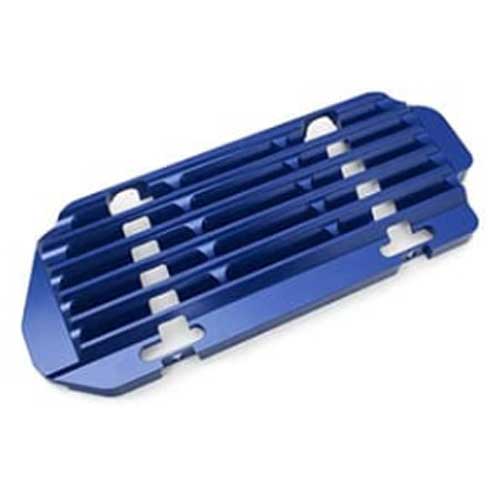
Consumer electronics low-volume CNC heat sink shells play a critical role in dissipating heat in electronics. With the continuous improvement of the performance of electronic products, their heat generation is also increasing, and the requirements for heat dissipation are getting higher and higher. CNC machined heat dissipation shells can improve heat dissipation efficiency and ensure the stable operation of electronic products through precise structural design and processing. Common heat dissipation shell materials include aluminum alloy, copper, etc., which have good thermal conductivity. Through CNC machining, various shapes of heat dissipation fins and heat dissipation holes can be manufactured on the heat dissipation shell, increasing the heat dissipation area and improving the heat dissipation effect. A mobile phone manufacturer used a small batch of CNC-machined aluminum alloy cooling shells to optimize the heat dissipation structure, effectively reducing the temperature of the mobile phone and improving the user experience.
Supplier evaluation and docking
Supplier assessment
When selecting a low-volume CNC machining supplier, it is crucial to thoroughly evaluate the supplier’s capabilities and credibility. Here’s a low-volume CNC factory evaluation sheet that covers various aspects such as equipment, technology, quality, and more:
| Evaluate the project | Specifics | Evaluation criteria |
| equipment | CNC machine types and quantities | There are many types of CNC machines, such as three-axis, four-axis, and five-axis machines, and the quantity meets production needs |
| Machine tool accuracy | Key accuracy indicators meet industry standards, such as positioning accuracy, repeated positioning accuracy, etc | |
| Degree of automation | It has certain automation equipment, such as automatic tool changing system, automatic loading and unloading device, etc | |
| technology | Processing technology | Mastering a variety of machining processes, such as milling, turning, drilling, tapping, etc., can meet the machining needs of complex parts |
| Programming ability | It has a professional programming team and is proficient in using a variety of programming software, such as UG, Mastercam, etc | |
| Technology research and development capabilities | It has certain technical research and development capabilities, and can continuously improve processing technology, improve production efficiency and product quality | |
| quality | Quality management system | It has passed the quality management system certification such as ISO9001 and has a complete quality management process |
| Quality inspection equipment | Equipped with advanced quality testing equipment, such as coordinate measuring instrument, roughness tester, hardness tester, etc | |
| Quality control measures | Effective quality control measures are taken, such as first article inspection, inspection, final inspection, etc., to ensure stable product quality | |
| production capacity | Production scale | It has a certain production scale and can meet the production needs of small batch orders |
| Production cycle | It can complete the production of orders within the specified time and has the ability to respond quickly | |
| Capacity utilization | The capacity utilization rate is high, which can give full play to the efficiency of equipment and personnel | |
| serve | Pre-sales service | Provide professional technical consultation and program design, and be able to respond to customer needs in a timely manner |
| After-sales service | Provide perfect after-sales service, such as product maintenance, technical support, return and exchange, etc | |
| Customer satisfaction | Customer satisfaction is high, and it has a good reputation and reputation |
When negotiating MOQs (Minimum Order Quantity) with small order CNC suppliers, there are several tips and strategies that can be employed. Before negotiating, it is necessary to fully understand the supplier’s production capacity, cost structure and market situation, and analyze the reasons for their MOQ setting. Collect MOQ information from other suppliers as a reference for negotiations. In the negotiation, it is necessary to emphasize the willingness to cooperate for a long time and put forward a large number of possible orders in the follow-up to increase the bargaining chips of the negotiation. Some flexible solutions can be proposed, such as consolidating orders with other customers, accepting some customization requirements to reduce costs, etc. You can also consider making certain concessions in terms of price, payment method, etc., in exchange for a lower MOQ. When negotiating with suppliers, a company proposed to place orders in the next six months and pay part of the payment in advance, successfully reducing the MOQ by 30%.
Docking platform and audit
The Small Batch CNC Online Instant Quote platform provides businesses with convenient quotations and communication channels. Take the AI-powered CNC instant quote platform launched by Prototek, which leverages artificial intelligence technology to analyze and quote products quickly and accurately. First of all, it has strong drawing recognition capabilities, whether it is a two-dimensional drawing or a three-dimensional model, it can quickly read the key information in it. For a complex mechanical part drawing, it can identify important parameters such as the shape, size, and tolerance requirements of the part. After identifying the drawings, the platform will conduct process planning based on the built-in process knowledge base to determine the CNC machining process suitable for the part processing, including selecting appropriate tools, cutting parameters, machining paths, etc. Cost accounting is a key link in quotation, and the platform can accurately calculate the production cost of products by comprehensively considering multiple factors such as raw material costs, processing costs, equipment depreciation, and labor costs. It can also obtain real-time raw material market price information, calculate the time required for processing and equipment usage costs according to the processing technology, and then combine the labor cost standards of the enterprise to obtain a reasonable quotation. This accurate cost accounting method makes enterprises more competitive in quotations. Users only need to upload product drawings, and the platform will give quotation results in a short time, and can also generate detailed quotation reports, including product process analysis, cost details, etc., which is convenient for users to communicate and explain with customers.
When selecting a small order CNC factory, conducting an on-site audit is an essential part of ensuring a smooth collaboration. Here is a small order CNC factory site audit checklist:
| Review the project | Specifics |
| Documentation | Business license, tax registration certificate, organization code certificate and other qualification documents |
| Quality management documents such as quality manuals, procedure documents, and work instructions | |
| production management documents such as production plans, procurement plans, and inventory management | |
| equipment management documents such as equipment lists and equipment maintenance records | |
| production site | Whether the equipment layout is reasonable and whether it is easy to operate and maintain |
| whether the production environment is clean and whether it meets the requirements of safe production | |
| Whether raw materials, semi-finished products, and finished products are stored in different areas, and whether there are labels and protective measures | |
| Whether the production process is carried out in accordance with the process documents and whether there are quality inspection records | |
| quality control | Whether there is an independent quality inspection department and personnel |
| Quality inspection whether the equipment is complete, whether it is calibrated and maintained regularly | |
| Whether there is a complete quality inspection process and standards, and whether they are strictly implemented | |
| Whether there is a quality problem handling mechanism and whether there are quality improvement measures | |
| Personnel management | Whether the staff is trained and has the corresponding skills and knowledge |
| Whether there is an employee performance appraisal system and whether it is linked to employee compensation and promotion | |
| whether there is an employee welfare system and whether it pays attention to the physical and mental health of employees |
Understanding small order CNC customer cases and word of mouth is also an important basis for choosing a supplier. You can check through the following channels: The supplier’s official website usually displays some successful customer cases, which can visually demonstrate the supplier’s technical strength and service level. Industry exhibitions and forums are also a good place to learn about supplier reputation, where you can communicate with purchasing personnel from other companies and understand their evaluation of different suppliers. There are also some discussions and reviews about suppliers on social media platforms and industry platforms from which some useful information can be obtained. Third-party evaluation websites and platforms collect customer reviews and feedback on suppliers, which are relatively objective and can be used as references. When inquiring about customer cases and word of mouth, we should pay attention to the authenticity and reliability of the case, as well as the objectivity and fairness of the evaluation.
Moshijia Technology Perspective
In the realm of small order CNC parts machining, Moshijia Technology has always been driven by technological innovation, continuously optimizing machining processes and processes. We understand the importance of small order CNC machining for customers, whether it is sample production in the product development stage or the need for small-batch production, it is related to their market competitiveness and development prospects.
From the perspective of technological innovation, Moshijia Technology actively introduces advanced CNC technology and automation equipment to continuously improve machining accuracy and efficiency. We employ high-precision CNC machines, combined with advanced tools and fixtures, to achieve high-precision machining of complex parts. At the same time, we also focus on the development and application of intelligent processing systems, through real-time monitoring of various parameters in the processing process, timely adjustment of processing strategies, to ensure the stability of product quality.
In terms of service optimization, Moshijia Technology is committed to providing customers with a full range of high-quality services. We have a professional technical team that can provide customers with one-stop solutions from product design, process planning to processing and manufacturing. During the project cooperation process, we maintain close communication with the customer, understand the customer’s needs in a timely manner, and ensure that the project is delivered on time. We also provide perfect after-sales service, respond to and solve customer feedback problems in a timely manner, so that customers have no worries.
We understand the importance of cost control for our customers. By optimizing the production process and selecting materials and equipment reasonably, we are able to provide customers with competitive prices while ensuring product quality. In terms of delivery time, we have established an efficient production management system, which can quickly arrange production according to customer needs to ensure that products are delivered on time.
With technological innovation and service optimization, Moshijia Technology provides customers with high-quality, efficient, and low-cost small-order CNC parts machining services, helping customers succeed in the market competition.
FAQ
What is the definition of low-volume CNC machining?
Low-volume CNC machining refers to the use of Computer Numerical Control (CNC) machines to perform precision machining services for metallic or non-metallic materials for small-scale orders, typically ranging from 10 to 10,000 pieces. Compared with high-volume processing, the order volume of small-batch processing is smaller, and the production cycle is relatively long because of the need to frequently replace workpieces and adjust machine tools; However, it has higher flexibility to meet the needs of product development and personalized customization, while mass processing is more suitable for standardized and large-scale production.
How can I reduce setup costs for small order CNCs?
Reducing the setup cost of small CNC can start from many aspects. In part design, avoid complex structures, reduce special-shaped, deep cavities, and high-precision tolerance requirements, and try to use standard tools and universal fixtures; optimize programming, reasonably plan cutting paths, tool speeds, and feeds to reduce empty tool strokes. For example, when processing small-batch CNC parts for a medical equipment company, Shenzhen Changhong Precision successfully reduced setup costs by 35% by simplifying the part structure and avoiding the use of specialized tools and fixtures.
What are the costs included in the quote for small order CNC parts?
Small order CNC parts quotations usually include material fees, i.e., the unit price of materials × the amount of material; processing fees, covering the processing time of a single piece × machine tool expense rate, tool consumables fees, and auxiliary processing fees; surface treatment fees, which are determined according to different surface treatment processes; and management fees, packaging and transportation fees, as well as profits. In addition, there may be some hidden costs, such as tool loss, equipment maintenance, testing costs, etc.
What is the standard lead time for low-volume CNC machining?
The standard lead time for small batch CNC machining does not have a fixed time and is affected by a variety of factors. The high complexity of parts, high precision requirements, many machining processes, and many testing links lead to long delivery times; difficult materials to process, such as titanium alloys, are slow and the delivery time will be extended. Generally, simple parts may be completed in a few days, while complex and precise parts may take several weeks.