Manufacturers face growing challenges in producing high-precision components with complex designs, especially when working with delicate or hard-to-machine materials. Traditional machining methods often struggle with tight tolerances, cause material distortion, or leave rough edges that require additional finishing. Meeting strict quality standards while maintaining production speed and cost efficiency can feel like a constant battle. This guide explores how laser CNC parts manufacturing overcomes these obstacles, offering unmatched precision and versatility for modern manufacturing needs.
Understanding Laser CNC Technology: The Fusion of Precision and Control
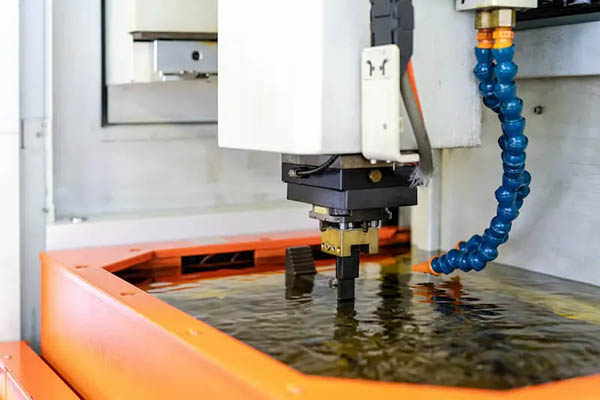
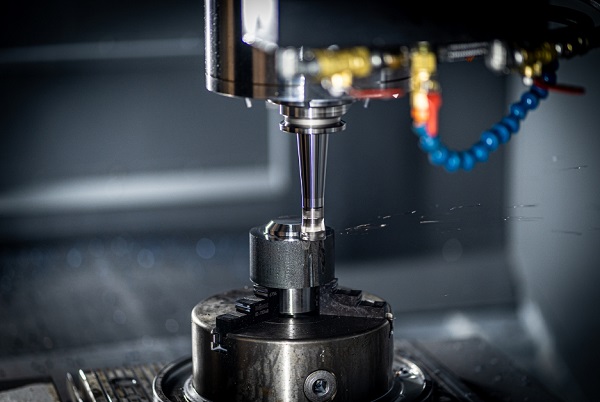
Laser CNC technology represents a significant advancement in manufacturing, combining the accuracy of computer numerical control with the precision of laser energy. This powerful combination enables manufacturers to create intricate components with exceptional detail and consistency that would be difficult or impossible to achieve with traditional methods.
Core Components of Laser CNC Systems
Effective laser-based manufacturing relies on several key technological elements working in harmony:
- Laser CNC machines: Integrated systems that combine laser sources with computer-controlled movement.
- CNC laser systems: Software-driven platforms that precisely control laser beam position and intensity.
- Fiber laser CNC and CO2 laser CNC: The two primary laser types, each optimized for specific materials and applications.
- Laser beam control mechanisms: Ensure precise direction and focus of the laser energy.
- Laser optics: High-quality lenses and mirrors that shape and direct the laser beam.
- CNC laser software: Specialized programs that convert design files into precise laser movement instructions.
Modern laser CNC systems can achieve positioning accuracy within ±0.001 mm, with repeatability better than ±0.0005 mm. According to industry data, companies implementing laser CNC technology report a 35% improvement in dimensional accuracy compared to traditional machining methods for similar components.
Laser CNC Machining Processes: Versatile Techniques for Diverse Needs
The true strength of laser CNC technology lies in its diverse range of laser CNC machining processes, each designed to address specific manufacturing challenges and material requirements. These processes leverage the unique properties of laser energy to achieve results that traditional methods can’t match.
Comparing Key Laser CNC Machining Processes
| Process | Description | Primary Applications | Material Compatibility |
| Laser cutting | Uses focused laser energy to sever materials with high precision | Sheet metal fabrication, part profiling, intricate patterns | Metals, plastics, wood, textiles, composites |
| Laser engraving | Removes surface material to create permanent marks or designs | Branding, identification, decorative elements | Most solid materials, including metals, plastics, glass |
| Laser marking | Creates surface changes (color, texture) without material removal | Part identification, serial numbers, barcodes | Metals, ceramics, some plastics |
| Laser drilling | Produces precise holes with minimal heat affected zone | Aerospace components, medical devices, electronics | Metals, ceramics, composites, semiconductors |
| Laser welding | Joins materials using localized heat from laser energy | Precision assemblies, medical devices, electronics | Metals, some plastics |
Other valuable processes include laser ablation (controlled material removal), laser cleaning (non-abrasive surface preparation), and laser cladding (applying protective coatings). Each process offers unique advantages, but all share the common benefits of non-contact processing and exceptional precision. Industry research shows that laser cutting can achieve edge quality up to 50% better than mechanical cutting methods for thin materials.
Laser CNC Parts and Components: Expanding Manufacturing Possibilities
The capabilities of laser CNC technology have transformed what’s possible in component production, enabling the creation of laser CNC parts and components with features that were previously unachievable or cost-prohibitive.
Common Types of Laser-Processed Components
Manufacturers leverage laser CNC technology to produce a wide range of precision parts:
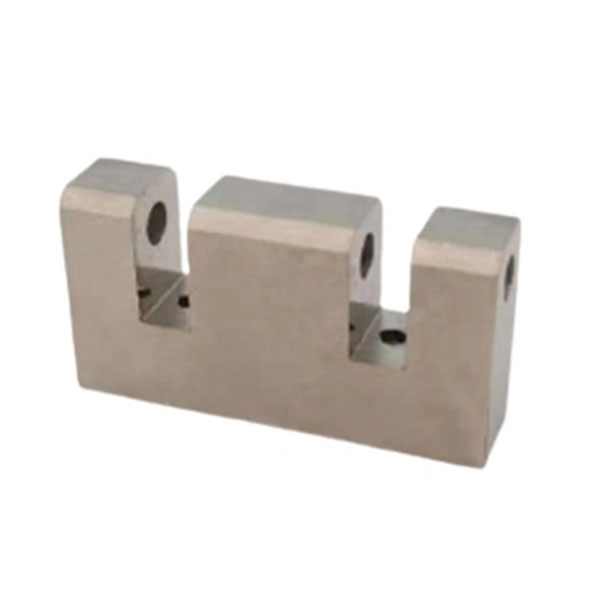
- Laser-cut parts with intricate contours and minimal burrs
- Engraved components featuring detailed designs or identification information
- Marked parts with permanent, high-contrast identifiers for traceability
- Drilled components with micro-sized holes and precise depth control
- Welded parts with strong, clean joints requiring minimal post-processing
- Custom laser parts tailored to unique design specifications
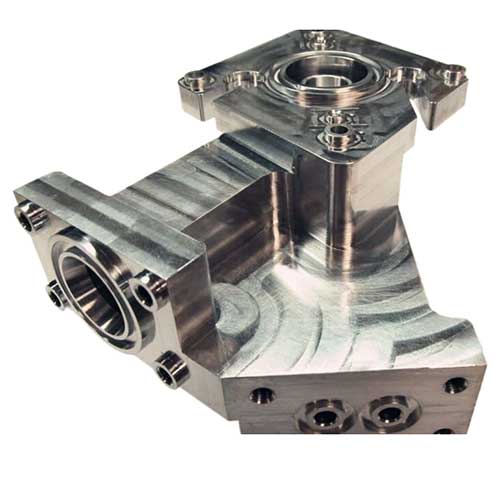
- Precision laser parts meeting tight tolerances for critical applications
- Industrial laser parts for machinery and equipment
- Automotive laser parts including sensors, brackets, and trim components
- Aerospace laser parts requiring lightweight construction and high precision
One of the most significant advantages of laser CNC parts is their consistency. Laser processes deliver uniform results across production runs, with variation typically less than 0.001 inches—far better than most traditional machining methods. This consistency is particularly valuable for industries with strict quality control requirements, such as aerospace and medical manufacturing.
Applications of Laser CNC: Industries Transformed by Precision
Virtually every manufacturing sector benefits from laser CNC technology, but certain industries have embraced it particularly enthusiastically due to their unique precision requirements. The applications of laser CNC continue to expand as new capabilities are developed and costs become more accessible.
Key Industries Leveraging Laser CNC Technology
- Automotive industry: Uses laser cutting and welding for precision components, and laser marking for part traceability throughout the supply chain.
- Aerospace industry: Relies on laser drilling for lightweight components and laser welding for strong, precise joints in critical structures.
- Medical industry: Employs laser machining for intricate surgical instruments, implant components, and microfluidic devices.
- Electronics industry: Uses laser cutting and drilling for circuit boards, and laser marking for component identification.
- Consumer products: Benefits from laser engraving for customization and laser cutting for precise component fabrication.
- Advertising and signage: Utilizes laser cutting for intricate designs and laser engraving for high-quality finishes.
- Jewelry making: Employs laser welding for delicate joins and laser engraving for detailed designs.
In the electronics industry alone, laser CNC technology has enabled a 40% reduction in the size of certain components while improving performance and reliability. The medical device sector reports similar benefits, with laser machining enabling the production of intricate components that improve patient outcomes and device performance.
Advantages of Laser CNC: Why It Outperforms Traditional Methods
The transition to laser CNC manufacturing delivers numerous advantages of laser CNC that directly address the key pain points of traditional machining processes. These benefits make laser technology a compelling choice for manufacturers looking to improve quality, efficiency, and versatility.
Key Benefits of Laser CNC Technology
- High precision: Achieves tolerances as tight as ±0.0005 inches, far exceeding most traditional methods.
- Non-contact cutting: Eliminates tool wear and reduces material distortion compared to mechanical processes.
- Minimal material distortion: Localized heat application reduces warping, especially important for thin materials.
- Fast processing speed: Laser processes often outpace traditional methods, especially for complex geometries.
- Complex part production: Creates intricate designs that would be impossible with mechanical tools.
- Reduced tool wear: No physical contact between tool and workpiece eliminates tool degradation.
- Enhanced surface finish: Produces clean edges requiring minimal post-processing.
- Cost-effective: Lower per-part costs for medium to high production runs due to reduced waste and labor.
- Environmentally friendly: Uses less energy than many traditional methods and produces minimal waste.
- Versatile material compatibility: Works with metals, plastics, wood, glass, ceramics, and composites.
Case studies show that manufacturers implementing laser CNC technology experience an average 25% reduction in material waste and a 30% decrease in post-processing requirements compared to traditional machining methods. These improvements translate directly to lower production costs and faster time-to-market for new products.
Moshijia Technology’s Perspective
At Moshijia Technology, we harness advanced laser CNC systems to deliver precision components across industries. Our fiber and CO2 laser capabilities handle diverse materials with exceptional accuracy. From intricate laser-cut parts to precise welded assemblies, our expertise ensures consistent quality, tight tolerances, and efficient production for all your laser CNC parts needs.
Frequently Asked Questions (FAQ)
- What materials can be processed with laser CNC technology?
Laser CNC systems work with a wide range of materials including metals (steel, aluminum, titanium), plastics, wood, glass, ceramics, composites, and textiles. Different laser types (fiber vs. CO2) are optimized for specific material categories.
- Is laser CNC machining cost-effective for small production runs?
While laser CNC systems have higher initial costs, they can be cost-effective for small runs due to minimal setup time, reduced tooling requirements, and lower post-processing needs—especially for complex parts that would be expensive to produce with traditional methods.
- What tolerance levels can laser CNC machining achieve?
Laser CNC processes typically achieve tolerances between ±0.0005 to ±0.001 inches (0.0127 to 0.0254 mm), depending on material type, thickness, and specific process. This precision exceeds most traditional machining methods for comparable applications.