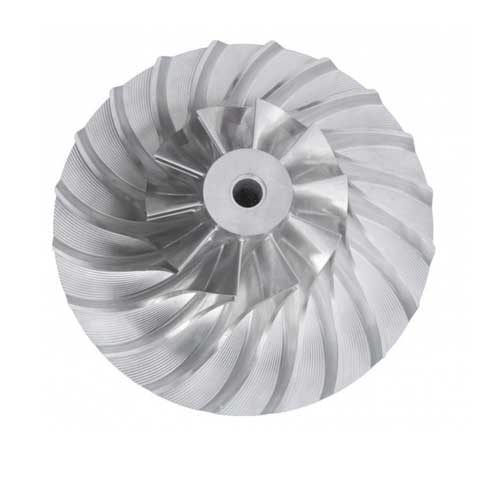
Manufacturers across industries struggle with finding reliable solutions for unique component requirements. Off-the-shelf parts rarely fit specialized equipment or innovative designs, forcing companies to compromise on performance or invest in expensive in-house machining capabilities. Balancing precision requirements with budget constraints, tight deadlines, and material specifications creates constant challenges. This guide explores how custom CNC service addresses these pain points, delivering tailored solutions that transform design concepts into high-quality components.
Understanding Custom CNC Services: Beyond Standard Production
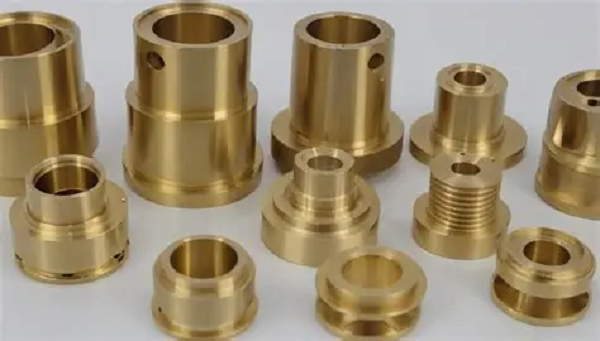
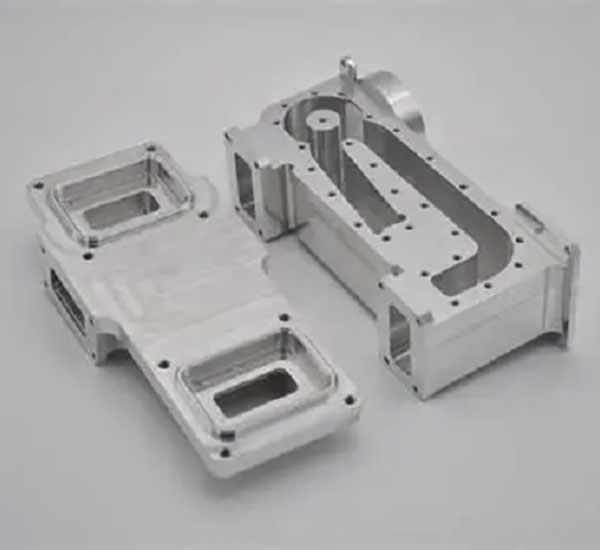
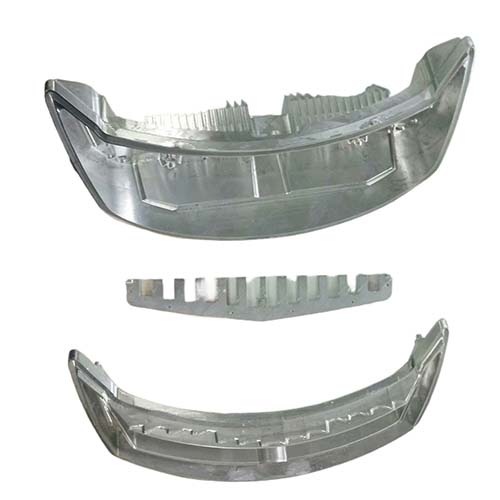
Custom CNC services represent the pinnacle of manufacturing flexibility, offering solutions specifically engineered to meet unique design requirements and production challenges. Unlike mass-produced components, custom CNC parts are created to precise specifications, ensuring perfect fit, optimal performance, and integration with existing systems.
Key Types of Custom CNC Solutions
The versatility of custom CNC manufacturing is reflected in the diverse services available:
- Custom machining: Creating unique parts from raw materials based on specific design requirements.
- CNC customization: Modifying standard components to meet specialized application needs.
- Tailored CNC solutions: Comprehensive manufacturing packages designed around specific project goals.
- Personalized CNC parts: Components created for one-of-a-kind applications or prototypes.
- Specialized CNC services: Expertise in niche manufacturing areas requiring advanced skills or equipment.
- On-demand CNC manufacturing: Flexible production that adapts to varying order quantities and schedules.
- Bespoke CNC components: Fully customized parts for unique applications with no standard equivalents.
- CNC prototyping: Creating functional prototypes for design validation before full production.
According to industry research, companies utilizing custom CNC services reduce time-to-market for new products by an average of 30% compared to those relying on standard components. This speed-to-market advantage directly translates to increased competitiveness and revenue potential across industries.
CNC Machining Capabilities: The Foundation of Custom Solutions
The breadth of CNC machining capabilities determines the range of custom components that can be produced, from simple brackets to complex aerospace parts. Modern CNC shops offer diverse processes to handle virtually any material and geometry requirement.
Comparing Key CNC Machining Processes
| Process | Primary Capabilities | Ideal Applications | Typical Tolerances |
| CNC milling | Creating complex 3D shapes, slots, and flat surfaces | Enclosures, brackets, complex mechanical parts | ±0.0005–±0.001 inches |
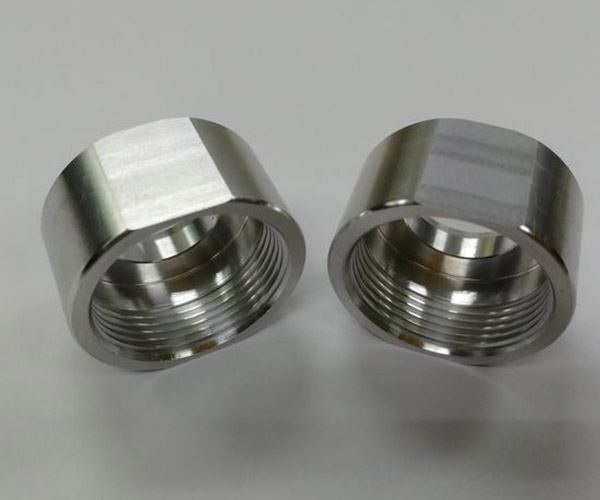
| CNC turning | Producing cylindrical parts with precise diameters | Shafts, pins, bushings, threaded components | ±0.0002–±0.0005 inches |
| CNC drilling | Creating precise holes with consistent depth and diameter | Fastener holes, fluid passages, mounting points | ±0.0005 inches |
| CNC grinding | Achieving superior surface finishes and tight tolerances | Bearing surfaces, precision fits | ±0.0001–±0.0002 inches |
| CNC laser cutting | Cutting intricate shapes in sheet materials with minimal distortion | Sheet metal components, decorative elements | ±0.001 inches |
| Multi-axis CNC machining | Producing complex geometries from multiple angles in one setup | Aerospace components, medical devices | ±0.0002–±0.0005 inches |
Advanced capabilities like CNC routing (for non-metallic materials), CNC plasma cutting (for thick metals), and CNC water jet cutting (for heat-sensitive materials) further expand the possibilities of custom CNC manufacturing. The right combination of processes enables manufacturers to tackle even the most challenging custom component requirements.
Material Options for CNC: Selecting the Right Foundation
Choosing appropriate material options for CNC machining is critical to achieving desired performance characteristics, durability, and cost efficiency in custom components. The ideal material balances mechanical properties with machining characteristics and budget constraints.
Evaluating Common CNC Materials
| Material | Key Properties | Machinability | Cost Range | Typical Applications |
| Aluminum | Lightweight, corrosion-resistant, good thermal conductivity | Excellent | Low to Medium | Automotive parts, enclosures, aerospace components |
| Stainless steel | High strength, corrosion resistance, hygienic | Good to Moderate | Medium to High | Medical devices, food processing equipment, marine components |
| Brass | Excellent machinability, good conductivity, attractive finish | Excellent | Medium | Electrical components, plumbing parts, decorative elements |
| Titanium | Exceptional strength-to-weight ratio, biocompatible | Moderate | High | Aerospace parts, medical implants, high-performance components |
| Polycarbonate | Impact-resistant, transparent, dimensionally stable | Good | Medium | Safety components, optical parts, enclosures |
| Acrylic | Transparent, scratch-resistant, good finish | Good | Low to Medium | Displays, lenses, light fixtures |
Material selection directly impacts both manufacturing costs and component performance. For example, while titanium offers superior strength-to-weight properties, its lower machinability increases production time and costs compared to aluminum. A knowledgeable custom CNC service provider can help balance these factors to recommend optimal materials for specific applications.
Applications of Custom CNC: Transforming Industries Through Precision
The applications of custom CNC manufacturing span virtually every industry, with each sector leveraging tailored components to improve performance, reduce costs, and enable innovation.
Key Industries Benefiting from Custom CNC Services
- Automotive industry: Uses custom CNC parts for prototypes, specialized tooling, and performance components that enhance vehicle efficiency and safety.
- Aerospace industry: Relies on custom CNC components for lightweight structures, precision fittings, and complex assemblies that meet stringent aviation standards.
- Medical industry: Employs custom CNC machining for surgical instruments, implant components, and diagnostic equipment requiring biocompatibility and exacting tolerances.
- Electronics industry: Utilizes custom enclosures, heat sinks, and mounting hardware optimized for specific device configurations and thermal management needs.
- Industrial machinery: Benefits from custom replacement parts and tooling that extend equipment life and improve operational efficiency.
- Robotics: Depends on custom CNC components for precise movement, structural support, and integration with sensors and actuators.
- Energy sector: Uses custom CNC parts for renewable energy equipment, oil and gas components, and power generation systems operating in extreme conditions.
In the medical industry alone, custom CNC components have enabled the development of minimally invasive surgical tools that reduce patient recovery times by up to 50%. Similarly, in the energy sector, custom CNC parts have contributed to a 20% improvement in the efficiency of renewable energy systems through optimized designs.
Moshijia Technology’s Perspective
At Moshijia Technology, we deliver comprehensive custom CNC services tailored to your unique requirements. Our diverse machining capabilities, from CNC milling to multi-axis machining, combined with extensive material expertise, ensure precise, high-quality components. We partner with clients across industries, offering flexible prototyping and production solutions to turn your designs into reality efficiently and cost-effectively.
Frequently Asked Questions (FAQ)
- What quantities are feasible with custom CNC services?
Custom CNC services accommodate everything from single prototypes to production runs of 10,000+ parts. Most providers offer scalable solutions that adapt to your needs, with economic efficiencies improving for larger quantities while still supporting small-batch requirements.
- How long does it take to receive custom CNC parts?
Lead times vary based on complexity, material, and quantity but typically range from 3–5 days for prototypes and 2–4 weeks for production runs. Rush services can often deliver simple parts in 1–2 days for urgent requirements.
- How do I ensure my custom CNC parts meet specifications?
Reputable providers use advanced inspection equipment and offer documentation like dimensional reports. Look for ISO 9001 or industry-specific certifications. Providing detailed 3D models and clear tolerance specifications upfront also ensures accurate results.