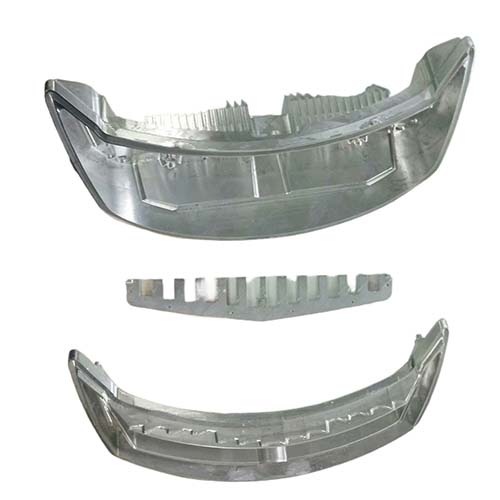
Manufacturers working with titanium face unique challenges that make this material notoriously difficult to machine. From excessive tool wear and heat generation to work hardening and poor chip control, titanium machining often results in higher costs, longer production times, and inconsistent quality. These challenges are compounded by the material’s growing demand across industries that require its unique properties of strength, light weight, and corrosion resistance. This guide explores how CNC titanium parts machining addresses these challenges, delivering high-quality components that meet the stringent requirements of modern applications.
Understanding CNC Machining of Titanium: Techniques for a Challenging Material
CNC machining of titanium requires specialized knowledge, tools, and techniques that differ significantly from machining more common materials like steel or aluminum. Titanium’s unique properties—including high strength, low thermal conductivity, and reactivity at high temperatures—demand specific approaches to achieve successful results.
Key Processes in Titanium CNC Machining
Several critical processes form the foundation of successful titanium machining:
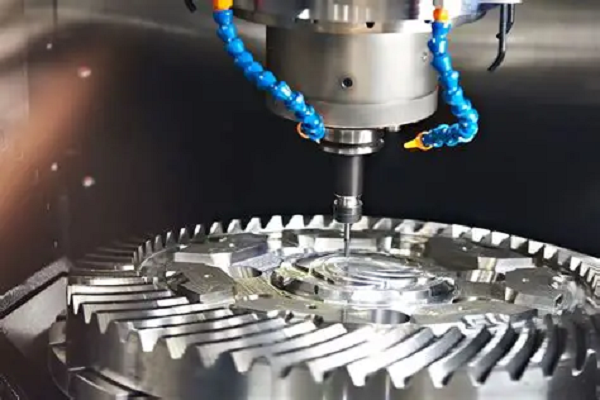
- Titanium CNC machining: Specialized programming and parameter settings optimized for titanium’s characteristics.
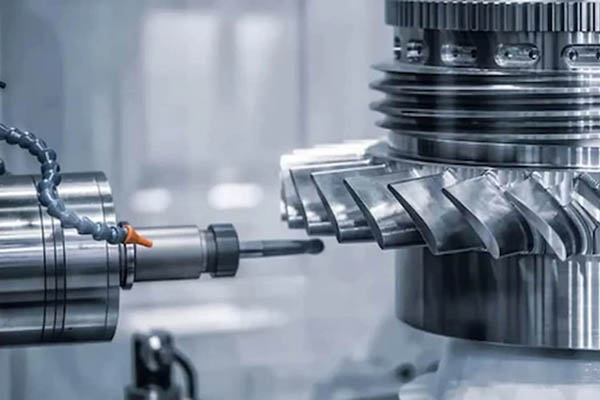
- CNC milling of titanium: Using appropriate cutters, speeds, and feeds to efficiently remove material while minimizing heat.
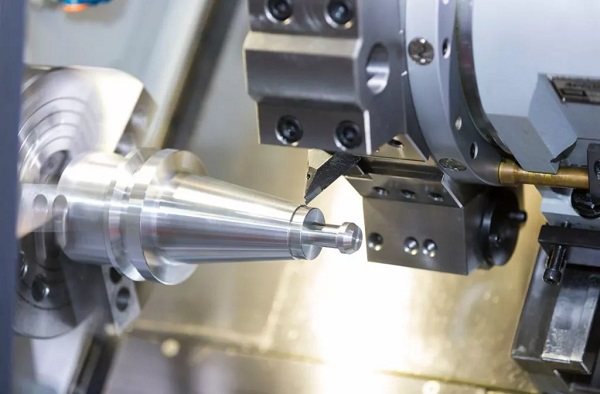
- CNC turning of titanium: Controlling chip formation and tool engagement to prevent work hardening.
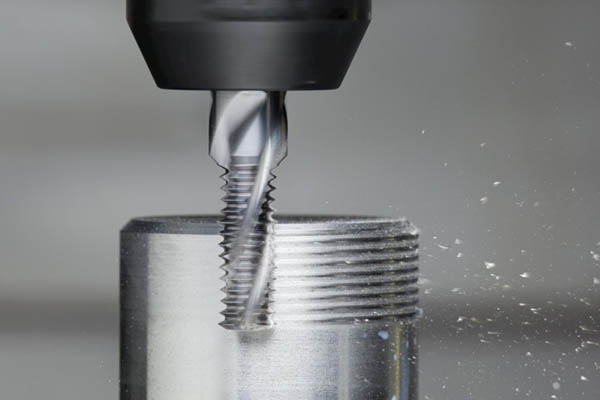
- CNC drilling of titanium: Using specialized drill geometries and coolants to prevent edge chipping and overheating.
- CNC grinding of titanium: Achieving precise finishes with coolants that prevent material smearing.
- Titanium cutting tools: Carbide, ceramic, or CBN tools designed to withstand titanium’s abrasiveness.
- Titanium machining techniques: Including high-pressure coolant systems, proper chip breaking, and optimized tool paths.
Modern advancements in CNC programming for titanium have significantly improved machining efficiency. Adaptive control systems can now adjust cutting parameters in real time, reducing tool wear by up to 35% compared to fixed parameters. High-speed titanium machining, when properly applied, can increase material removal rates by 40% while maintaining tool life through optimized engagement strategies.
Titanium Parts and Components: Leveraging Material Advantages
The titanium parts and components produced through specialized CNC machining offer unique benefits that make them indispensable in demanding applications. These components leverage titanium’s exceptional properties while overcoming its machining challenges through advanced manufacturing techniques.
Common Types of CNC Titanium Components
Manufacturers produce a wide range of titanium parts for diverse applications:
- Titanium aerospace parts: Including structural components, engine parts, and fasteners that reduce weight while maintaining strength.
- Titanium medical parts: Such as implants, surgical instruments, and diagnostic equipment components requiring biocompatibility.
- Titanium automotive parts: Performance components that reduce weight and improve fuel efficiency without sacrificing durability.
- Titanium industrial parts: Heavy-duty components for harsh environments where corrosion resistance is critical.
- Titanium mechanical parts: Gears, shafts, and bearings that offer high strength-to-weight ratios.
- Titanium custom parts: Bespoke components designed for specific applications where titanium’s properties are essential.
- Titanium prototypes: Functional models for testing and validation before full production.
The global market for titanium components is projected to grow at a CAGR of 6.8% through 2030, driven primarily by increasing demand in aerospace and medical applications. This growth reflects titanium’s unique value proposition despite its higher machining costs compared to other metals.
Applications of CNC Titanium Parts: Industries Benefiting from Material Properties
The applications of CNC titanium parts span numerous industries, each leveraging the material’s unique combination of properties to solve specific engineering challenges.
Key Industries Utilizing CNC Titanium Components
- Aerospace industry: Uses titanium extensively for airframe structures, engine components, and fasteners, reducing aircraft weight by up to 30% compared to steel alternatives.
- Medical industry: Relies on titanium for implants, surgical tools, and equipment due to its biocompatibility and corrosion resistance in bodily fluids.
- Defense industry: Utilizes titanium for armor, weapons components, and vehicles requiring high strength and corrosion resistance.
- Marine industry: Employs titanium parts for hull components, fasteners, and equipment that must withstand saltwater corrosion.
- Energy sector: Uses titanium in offshore drilling equipment, power generation components, and renewable energy systems exposed to harsh conditions.
- Sports equipment: Incorporates titanium in high-performance gear where strength, light weight, and corrosion resistance enhance performance.
In the aerospace sector alone, titanium components have contributed to a 15% improvement in fuel efficiency for modern aircraft compared to older designs using primarily aluminum and steel. Medical applications benefit from titanium’s ability to integrate with bone tissue, reducing implant rejection rates to less than 2% in properly designed components.
Material Properties of Titanium: Why It’s Valuable Yet Challenging
Understanding the material properties of titanium explains both its exceptional value in demanding applications and the challenges involved in machining it. These properties create a unique set of requirements for successful CNC machining.
Key Properties of Titanium and Their Machining Implications
| Property | Description | Machining Implications |
| High strength-to-weight ratio | Strength comparable to steel with 40% lower density | Requires higher cutting forces; increases tool wear |
| Corrosion resistance | Forms protective oxide layer resistant to most environments | No material degradation during storage; requires clean machining |
| High-temperature resistance | Maintains strength at elevated temperatures up to 600°C | Causes significant heat buildup at cutting interface |
| Biocompatibility | No adverse reaction with living tissue | Critical for medical applications; requires contamination control |
| Fatigue resistance | Excellent performance under repeated loading | Makes titanium ideal for aerospace and medical implants |
| Low thermal conductivity | Poor heat transfer away from cutting zone | Concentrates heat in cutting area, accelerating tool wear |
| Work hardening tendency | Surface hardness increases with deformation | Requires continuous cutting; interruptions cause hardening layers |
These properties make titanium ideal for applications where performance under stress is critical but create significant machining challenges. For example, titanium’s low thermal conductivity means 80% of heat generated during machining remains in the cutting tool rather than dissipating into the workpiece—compared to only 50% for steel—greatly accelerating tool wear.
Challenges and Solutions in CNC Titanium Machining: Overcoming Material Difficulties
Successfully machining titanium requires understanding the specific challenges and solutions in CNC titanium machining, implementing specialized approaches to overcome the material’s difficult characteristics.
Addressing Key Titanium Machining Challenges
| Challenge | Impact | Solution |
| Tool wear | Increased costs, inconsistent quality | Using carbide tools with titanium aluminum nitride (TiAlN) coatings; optimizing cutting speeds |
| Heat generation | Tool degradation, workpiece damage | Implementing high-pressure coolant systems (700+ psi); using through-tool cooling |
| Work hardening | Increased cutting forces, poor surface finish | Maintaining continuous cuts; avoiding interruptions; using sharp tools |
| Chip control | Poor surface finish, safety hazards | Using chip breakers; optimizing feed rates; implementing proper coolant direction |
| Machining efficiency | Higher production costs | Employing high-speed machining techniques for appropriate applications; using optimized tool paths |
| Surface finish | Poor part performance, increased friction | Using proper tool geometry; optimizing cutting parameters; implementing finish passes |
The right combination of solutions can dramatically improve titanium machining outcomes. For example, studies show that high-pressure coolant systems reduce tool wear by 50% and improve surface finish by 40% in titanium applications. Proper tool selection similarly impacts results, with ceramic tools lasting up to 10 times longer than uncoated carbide in certain titanium machining operations.
Moshijia Technology’s Perspective
At Moshijia Technology, we specialize in precision CNC titanium parts for demanding applications. Our expertise in titanium machining techniques, combined with advanced tooling and cooling systems, ensures high-quality components with tight tolerances. From aerospace to medical applications, we overcome titanium’s challenges to deliver parts that leverage its exceptional properties while maintaining cost-effectiveness.
Frequently Asked Questions (FAQ)
- Why is titanium more difficult to machine than other metals?
Titanium’s low thermal conductivity concentrates heat in cutting tools, while its high strength and work-hardening tendency increase cutting forces and tool wear. Its reactivity at high temperatures can also cause material to adhere to tool surfaces, reducing performance.
- What types of tools are best for CNC titanium machining?
Carbide tools with TiAlN or diamond-like carbon (DLC) coatings are most common for general titanium machining. For high-temperature applications, ceramic or cubic boron nitride (CBN) tools offer longer life despite higher initial costs.
- How do machining parameters for titanium differ from steel?
Titanium typically requires lower cutting speeds (10–50% of steel speeds) but higher feed rates to minimize heat exposure. Coolant delivery is also critical, with high-pressure systems and through-tool cooling essential for maintaining tool life and surface quality.