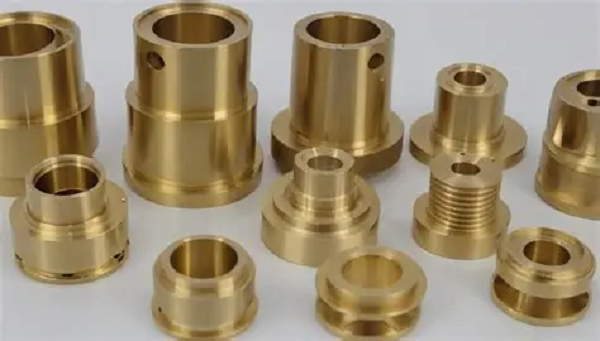
Need brass CNC parts that combine strength, corrosion resistance, and beautiful appearance? We cover alloy selection, machinability, surface finishes, and where brass outperforms other metals.
Introduction
You need a part that conducts electricity. Or resists corrosion. Or looks like gold without the price tag. Maybe it needs to thread into a fitting that will never seize. Maybe it just needs to feel substantial in a customer’s hand.
That is when you choose brass.
Brass CNC machining delivers parts that other metals cannot match. Brass cuts like butter. It holds tight tolerances. It resists rust. It polishes to a mirror shine. And it has been the material of choice for precision components since before CNC existed.
But here is the thing—not all brass is the same. Alloy selection affects machinability, strength, and color. Feeds and speeds differ from steel or aluminum. Finishing options range from natural patina to bright polished chrome.
This guide covers everything you need to know. We explain which alloys work best, how brass behaves under the cutter, what surface finishes are possible, and exactly where brass outperforms copper, bronze, and stainless steel.
What Is Brass CNC Machining?
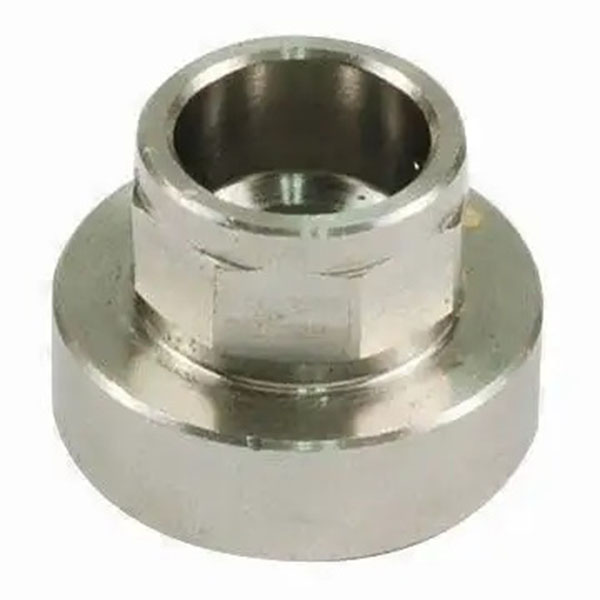
Let us start with a clear definition. Brass CNC machining uses computer-controlled machine tools to create parts from brass stock. The process removes material from solid bars or blanks, leaving precision components that match your 3D model.
Brass is an alloy of copper and zinc. The ratio varies. More copper gives reddish tones and better corrosion resistance. More zinc gives yellowish tones and higher strength. Small additions of other elements change machinability, lead content, or other properties.
What makes brass special for CNC work?
- Machinability: Brass is the easiest metal to cut. It produces small, broken chips instead of long strings. Tool life is excellent.
- Surface finish: As-machined brass looks good. Polished brass looks like jewelry.
- Corrosion resistance: Brass handles moisture, salt water, and many chemicals without rusting.
- Electrical conductivity: Brass conducts electricity well, though not as well as pure copper.
- Aesthetic appeal: The gold-like appearance sells products.
A musical instrument maker learned the value of brass decades ago. Trumpets, saxophones, and French horns use brass for good reason. It sounds right. It looks right. It forms and machines beautifully. Modern CNC methods just make the process faster and more precise.
Which Brass Alloys Work Best?
Not all brass alloys machine the same. Here is how the common grades compare for brass CNC work.
C36000 Free-Cutting Brass
This is the king of machinability. C360 contains about 3% lead. The lead acts as a chip breaker and lubricant. It produces tiny, broken chips that clear easily. Tool wear is minimal. Surface finish is excellent.
Machinability rating: 100% (baseline for all metals)
Tensile strength: 58,000 psi
Typical uses: High-volume screw machine parts, fittings, valves, connectors
C46400 Naval Brass
Naval brass adds tin for extra corrosion resistance. It stands up to salt water better than standard brass. Machinability is lower—about 30% of C360.
Machinability rating: 30%
Tensile strength: 65,000 psi
Typical uses: Marine hardware, propeller shafts, valve stems
C26000 Cartridge Brass
This is the standard 70/30 brass (70% copper, 30% zinc). It has good formability and moderate strength. Machinability is fair—about 30% of C360.
Machinability rating: 30%
Tensile strength: 50,000 psi
Typical uses: Ammunition casings, architectural trim, radiator cores
C35300 (Free-Cutting Brass, Low Lead)
Similar to C360 but with reduced lead content. Meets stricter environmental regulations. Machinability remains excellent but slightly below C360.
Machinability rating: 90%
Tensile strength: 55,000 psi
Typical uses: Plumbing fittings, electrical components, decorative hardware
C38500 Architectural Bronze
Despite the name, this is a brass (about 57% copper, 40% zinc, 3% lead). It has a warm bronze color and excellent machinability.
Machinability rating: 90%
Tensile strength: 50,000 psi
Typical uses: Handrails, decorative trim, store fixtures
Alloy Comparison Table
| Alloy | Copper % | Zinc % | Lead % | Machinability | Strength | Best Use |
|---|---|---|---|---|---|---|
| C360 | 61.5 | 35.5 | 3.0 | 100% | High | General purpose |
| C464 | 60.0 | 39.2 | 0.2 | 30% | Very High | Marine |
| C260 | 70.0 | 30.0 | 0.0 | 30% | Medium | Forming, ammo |
| C353 | 62.0 | 36.5 | 1.5 | 90% | High | Low-lead parts |
| C385 | 57.0 | 40.0 | 3.0 | 90% | Medium | Architectural |
A plumbing manufacturer switched from C360 to C353 for potable water fittings. New regulations limited lead content. Machinability dropped slightly—from 100% to 90%. Cycle times increased 8%. But parts met NSF standards and passed certification. The trade-off was worth it.
How Does Brass Behave Under Cutting?
If you know steel or aluminum, brass will surprise you. It cuts differently.
Chip Formation
Brass produces small, broken chips. They look like fine dust or tiny flakes. They do not tangle around tools. They do not form bird’s nests. They clear easily with air or coolant.
This is the lead at work. Lead creates stress points where chips break. Free-cutting brass is specifically designed for high-volume screw machines.
Tool Wear
Tool life in brass is excellent. Carbide tools last thousands of parts. High-speed steel tools also perform well. The material is not abrasive like aluminum-silicon alloys or tough like stainless steel.
A shop running brass CNC parts might change tools for geometry reasons, not wear. Tools dull slowly. Edge retention is exceptional.
Cutting Forces
Forces are low. Brass is soft compared to steel. You can take aggressive cuts without worrying about tool deflection or spindle load.
This allows high material removal rates. Cycle times drop compared to harder metals.
Heat Generation
Heat goes into the chip, not the part. Brass conducts heat well. Chips carry heat away from the cut zone. This means thermal expansion is rarely a problem.
Surface Finish
As-machined brass looks good. Standard feeds produce surfaces in the 32 to 64 microinch Ra range. With fine feeds and sharp tools, you can achieve 16 Ra or better.
Recommended Parameters
| Operation | Speed (SFM) | Feed (IPT) | Depth of Cut |
|---|---|---|---|
| Rough turning | 500-800 | 0.005-0.015 | 0.050-0.150 |
| Finish turning | 600-1000 | 0.002-0.005 | 0.010-0.030 |
| Milling | 600-1000 | 0.002-0.008 | 0.020-0.100 |
| Drilling | 200-400 | 0.002-0.006 per rev | Full diameter |
What Finishes Suit Brass Parts?
Brass accepts many finishes. The right choice depends on application and appearance goals.
As-Machined
Straight off the machine. Surfaces show fine tool marks. Color is bright yellow-gold. This finish works for internal components and hidden parts.
Brushed
Abrasive pads create uniform directional lines. This hides minor surface imperfections. Common on architectural hardware and consumer goods.
Polished
Buffing wheels create mirror-like reflectivity. Parts look like gold jewelry. Requires careful handling to avoid fingerprints and scratches.
Clear Coated
Polished brass tarnishes over time. Clear lacquer or powder coating locks in the bright finish. Outdoor applications often use this approach.
Antiqued
Chemical patinas create aged appearances. Dark recesses highlight details. Popular for furniture hardware and decorative items.
Plated
Brass accepts plating well. Nickel and chrome are common. Parts can look like stainless steel or chrome while maintaining brass core properties.
Natural Patina
Uncoated brass develops a rich, warm patina over time. Some applications want this aged look. Others prevent it with coatings.
Finish Comparison
| Finish | Appearance | Durability | Cost | Best For |
|---|---|---|---|---|
| As-machined | Bright, tool marks | Good | Lowest | Functional parts |
| Brushed | Matte, directional | Good | Low | Architectural |
| Polished | Mirror, reflective | Fair | Medium | Decorative |
| Clear coated | Bright, protected | Excellent | Medium | Outdoor, high-use |
| Antiqued | Aged, contrasted | Good | Medium | Furniture, decor |
| Plated | Chrome/nickel look | Excellent | High | Consumer products |
What Tolerances Can Brass Hold?
Brass is dimensionally stable. It does not move after machining like some plastics. It does not warp from stress relief like some steels.
Standard Tolerances
Most shops hold ±0.001 inches (0.025 mm) on brass parts without special effort. Hole locations, diameters, and depths achieve this routinely.
Precision Tolerances
With careful setup, ±0.0005 inches (0.012 mm) is achievable. This requires good machines, sharp tools, and temperature control.
High-Precision Tolerances
Some applications need ±0.0002 inches (0.005 mm) . This is possible but requires grinding or very fine boring. Expect higher costs and slower cycles.
Threads
Brass taps beautifully. Threads come out clean and sharp. For high-volume work, thread rolling produces stronger threads and better finish.
Surface Finish vs. Tolerance
Fine finishes and tight tolerances go together. A 16 Ra surface is typically required for ±0.0005 inch tolerances. Rougher surfaces increase measurement uncertainty.
Where Are Brass CNC Parts Used?
Brass CNC components appear everywhere in modern industry.
Plumbing and Valves
Brass handles water without rusting. Valve bodies, fittings, faucet components, and pipe thread adapters use brass almost exclusively. The material withstands potable water chemicals and temperature cycles.
A major faucet manufacturer runs millions of brass parts annually. Each faucet contains multiple machined components—aerators, cartridges, supply connections. All rely on brass CNC machining for consistent quality.
Electrical and Electronic
Brass conducts electricity. Terminal blocks, connectors, switch components, and fuse holders use brass. The material machines to precise shapes that accept wires and maintain contact pressure.
Musical Instruments
Trumpets, trombones, saxophones, and French horns use brass for acoustic reasons. The material resonates correctly. It forms into complex shapes. It polishes to a beautiful finish.
Automotive
Classic car restoration relies on brass for original-style parts. Modern vehicles use brass in sensors, fittings, and electrical components.
Marine Hardware
Salt water destroys steel. Brass survives. Boat fittings, propellers, through-hull connections, and navigation lights use brass or bronze.
Decorative Hardware
Door handles, cabinet pulls, light fixtures, and bathroom accessories use brass. The warm color adds value. Machining creates precise mounting features.
Firearms
Cartridge cases start as brass strip, then form into shape. Some firearm components use machined brass for strength and corrosion resistance.
Industry Applications Table
| Industry | Common Parts | Why Brass? |
|---|---|---|
| Plumbing | Valves, fittings, faucets | Corrosion resistance, machinability |
| Electrical | Connectors, terminals | Conductivity, machinability |
| Marine | Hardware, fittings | Saltwater resistance |
| Automotive | Sensors, fittings | Corrosion resistance |
| Architectural | Hardware, trim | Appearance, durability |
| Musical | Instruments | Acoustic properties, formability |
How Does Brass Compare to Copper?
Copper and brass are related but different. Here is how they compare for CNC machining.
Machinability
Brass wins. Free-cutting brass machines at 100% rating. Copper machines at 20-30% rating. Copper is gummy. It forms long, stringy chips that wrap around tools. It work-hardens. It requires sharp tools and careful feeds.
Brass: Excellent machinability
Copper: Fair to poor machinability
Conductivity
Copper wins. Pure copper conducts electricity better than any brass. For high-current applications, copper is essential. For signal connections, brass often works fine.
Brass: Good conductivity (about 28% IACS)
Copper: Excellent conductivity (100% IACS)
Corrosion Resistance
Both resist corrosion well. Brass may dezincify in certain water conditions. Copper forms protective patina. For most applications, both perform similarly.
Brass: Good, with alloy-specific variations
Copper: Excellent
Strength
Brass is stronger. Copper is soft and ductile. For threaded connections and structural parts, brass wins.
Brass: Higher strength
Copper: Lower strength, more ductile
Cost
Brass and copper costs fluctuate with markets. Copper is usually more expensive per pound. But part cost depends on machining time—copper takes longer to cut.
Brass: Lower material cost, faster machining
Copper: Higher material cost, slower machining
Appearance
Brass looks like gold. Copper looks like—copper. Reddish, warm, distinctive. Both develop patina over time.
Brass: Yellow-gold
Copper: Reddish-orange
When to Choose Each
Choose brass when:
- You need machinability and fast cycles
- Threads and precision features matter
- Cost matters
- Gold-like appearance adds value
Choose copper when:
- Maximum electrical conductivity is required
- You need pure copper for thermal applications
- The red color is desired
- You can tolerate slower machining
A power connector manufacturer faced this choice. Initial design specified copper for conductivity. Machining costs were high. Cycle times were slow. They tested brass. Conductivity dropped slightly—still met specifications. Machining time dropped 60%. Part cost dropped 40%. They switched to brass and never looked back.
Conclusion
Brass CNC machining delivers precision components that other materials cannot match. The machinability is unmatched—brass cuts faster than any other metal. Tool life is excellent. Surface finishes are beautiful right off the machine.
Alloy selection matters. C360 is the workhorse for general purposes. C353 meets low-lead requirements. Naval brass handles marine environments. Each alloy serves specific needs.
Tolerances come easily. ±0.001 inches is routine. ±0.0005 inches is achievable with care. Threads cut cleanly and hold well.
Applications span industries—plumbing, electrical, automotive, marine, architectural, and musical. Wherever corrosion resistance, conductivity, and appearance matter, brass delivers.
Compared to copper, brass wins on machinability and cost. It loses only on absolute conductivity. For most applications, the trade-off favors brass.
Frequently Asked Questions
What is the best brass alloy for CNC machining?
C360 free-cutting brass is the best choice for most applications. It contains 3% lead, which acts as a chip breaker and lubricant. Machinability is 100%—the baseline against which all other metals are measured.
Can brass be machined without coolant?
Yes. Brass machines well dry. Small, broken chips clear easily. For high-volume production, mist coolant can extend tool life and improve surface finish. Flood coolant is rarely needed.
What tolerances can brass CNC parts hold?
Standard tolerances of ±0.001 inches (0.025 mm) are routine. Precision work achieves ±0.0005 inches (0.012 mm) . High-precision applications requiring ±0.0002 inches (0.005 mm) are possible with grinding or fine boring.
Does machined brass tarnish?
Yes. Uncoated brass develops a natural patina over time. This ranges from warm amber to dark brown depending on environment. Clear coating preserves the bright machined appearance.
How does brass compare to stainless steel for machining?
Brass machines much faster than stainless steel. Tool life is longer. Surface finish is better. Cycle times are shorter. Stainless offers higher strength and different appearance but costs more to machine.
Can you weld machined brass parts?
Brass can be welded, but it requires skill. The zinc content can vaporize, creating toxic fumes. Brazing is often easier than welding for joining brass components.
Is lead-free brass available for CNC machining?
Yes. Alloys like C353 (containing about 1.5% lead) and C360 with reduced lead meet low-lead requirements. For potable water applications, NSF-certified alloys are available.
Get projects quote with Moshijia Technology.
Ready to machine your next brass part? At Moshijia Technology, we specialize in brass CNC machining for prototypes and production runs. We work with C360, C353, naval brass, and specialty alloys.
We understand how brass behaves. We choose the right tools, speeds, and feeds for your material. We deliver tight tolerances and beautiful surface finishes. Whether you need plumbing fittings, electrical connectors, or decorative hardware, we deliver.
Upload your CAD file today. Get a quote within 24 hours. Let’s make your next project a success.