Manufacturers working with small-scale components face unique challenges that traditional machining can’t adequately address. Producing parts with features measured in microns, maintaining consistent quality across tiny components, and finding equipment capable of such precision often create significant barriers. These challenges are compounded by limited tooling options, high setup costs, and the specialized skills required for micro-manufacturing. This guide explores how micro CNC machining overcomes these obstacles, enabling the production of high-precision miniature components that power today’s most advanced technologies.
Understanding Micro CNC Technology: The Science of Small-Scale Precision
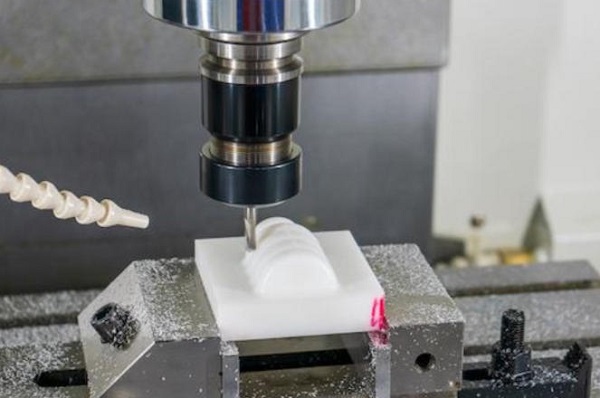
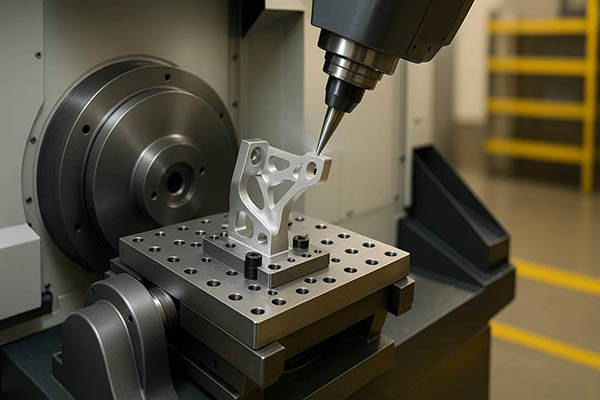
Micro CNC technology represents the cutting edge of precision manufacturing, focusing on producing components with features smaller than 1mm and tolerances measured in microns. Unlike conventional CNC machining, micro CNC systems are specifically engineered to handle the unique challenges of small-scale production, where even minor vibrations or temperature fluctuations can compromise quality.
Key Components of Micro CNC Systems
Modern micro machining relies on several specialized elements working in perfect harmony:
- Micro CNC machines: Compact, rigid systems designed for ultra-precise movements.
- Miniature CNC systems: Space-optimized setups with enhanced vibration damping.
- High-precision CNC controllers: Advanced systems capable of micron-level positioning.
- Micro machining tools: Tiny cutting tools with diameters as small as 0.01mm.
- Ultra-precision CNC spindles: High-speed, low-vibration spindles for delicate cutting.
- Micro CNC software: Specialized programming tools that account for micro-scale physics.
- Micro CNC controllers: Hardware optimized for the precise movements required in micro-manufacturing.
Today’s micro CNC technology can achieve positioning accuracy within ±1 micron (0.00004 inches) and repeatability better than ±0.5 microns. According to industry research, these capabilities have enabled a 50% reduction in the size of critical components across various industries over the past decade, without sacrificing performance or durability.
Micro CNC Machining Processes: Techniques for Tiny Components
The specialized micro CNC machining processes used to create miniature components require unique approaches compared to conventional machining. These processes account for the different material behaviors and cutting dynamics that occur at the micro scale.
Comparing Key Micro Machining Processes
| Process | Description | Typical Feature Sizes | Materials |
| Micro milling | Using tiny rotating cutters to remove material from small workpieces | 0.1mm–5mm features | Metals, plastics, ceramics |
| Micro drilling | Creating extremely small holes with precise diameters and depths | 0.05mm–2mm diameter holes | All machinable materials |
| Micro turning | Rotating small workpieces against stationary tools to create cylindrical features | 0.1mm–10mm diameters | Metals, some plastics |
| Micro EDM (Electrical Discharge Machining) | Using electrical discharges to erode material without physical contact | 0.01mm–3mm features | Conductive materials |
| Micro laser machining | Using focused laser energy to cut or ablate material | 0.001mm–1mm features | Metals, plastics, ceramics |
| Micro additive manufacturing | Building up components layer by layer from micro-sized material deposits | 0.01mm–5mm features | Polymers, metals, ceramics |
Each process offers unique advantages for specific applications. For example, micro EDM wire cutting excels at creating intricate shapes with sharp corners in hard materials, while micro grinding delivers superior surface finishes (often better than Ra 0.02μm) required for precision bearing surfaces in miniature mechanisms.
Micro CNC Parts and Components: Small Parts with Big Impact
The micro CNC parts and components produced through these specialized processes play critical roles in countless modern technologies, often enabling functionality that would be impossible with larger components.
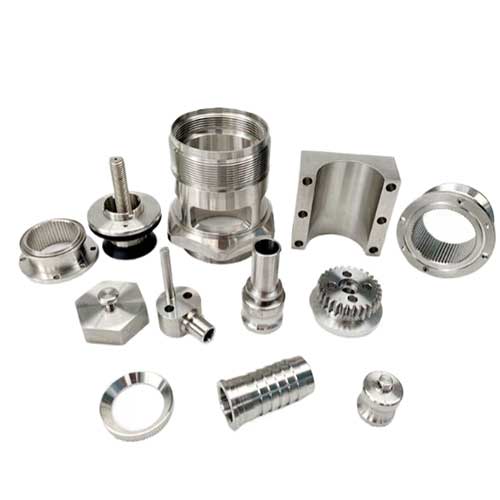
Common Types of Micro Machined Components
Manufacturers produce a wide range of miniature parts using micro CNC technology:
- Micro components with features smaller than 1mm for precision devices.
- Miniature parts for applications where space is extremely limited.
- Precision micro parts requiring tolerances of ±1μm or better.
- Micro mechanical parts like tiny gears, shafts, and linkages.
- Micro electronic parts including connectors, contacts, and housings.
- Micro medical parts such as surgical instruments and implant components.
- Micro aerospace parts for lightweight, high-performance systems.
- Micro automotive parts including sensors and precision actuators.
- Micro molds for producing tiny plastic components through injection molding.
- Micro assemblies combining multiple micro components into functional systems.
These components often weigh less than a gram and fit easily on the head of a pin, yet they perform critical functions in everything from medical devices to aerospace systems. The global market for micro machined components is projected to grow at a CAGR of 7.2% through 2030, driven by increasing demand for miniaturized technologies.
Applications of Micro CNC Machining: Industries Transformed by Miniaturization
The applications of micro CNC machining span numerous industries, each leveraging miniature components to improve performance, reduce size, and enable new technologies.
Key Industries Utilizing Micro CNC Machining
- Medical devices: Producing components for minimally invasive surgical tools, drug delivery systems, and diagnostic equipment where small size translates to less patient trauma.
- Microelectronics: Creating precision parts for semiconductors, sensors, and microprocessors that continue to shrink in size while increasing in capability.
- Aerospace components: Manufacturing lightweight micro parts that reduce overall aircraft weight, improving fuel efficiency without compromising safety.
- Automotive sensors: Producing tiny, precise sensors for advanced driver assistance systems (ADAS) and engine management.
- Precision instruments: Creating components for scientific equipment, metrology tools, and optical systems requiring micron-level accuracy.
- Microfluidics: Machining tiny channels and chambers for lab-on-a-chip devices used in medical diagnostics and chemical analysis.
- Optical components: Producing precision lenses, mirrors, and mounts for advanced imaging systems and communication technologies.
In the medical industry alone, micro CNC machining has enabled the development of endoscopic tools with diameters smaller than 2mm, allowing surgeons to perform procedures through incisions that require no stitches. Similarly, in consumer electronics, micro machined components have contributed to a 40% reduction in the size of camera modules over the past five years while improving image quality.
Advantages and Challenges of Micro CNC Machining: Balancing Precision and Practicality
Like any advanced manufacturing technology, micro CNC machining offers significant advantages but also presents unique challenges that manufacturers must address.
Key Advantages of Micro CNC Machining
- High precision: Achieving tolerances as tight as ±0.5μm for critical features.
- Miniaturization: Producing components far smaller than those possible with conventional methods.
- Complex geometries: Creating intricate shapes and features in miniature form.
- High surface quality: Delivering superior finishes that reduce friction and improve performance.
- Material versatility: Processing a wide range of materials from metals to ceramics.
Key Challenges in Micro CNC Machining
- Advanced tooling requirements: Needing specialized, tiny tools that are expensive and require careful handling.
- Limited tool availability: Fewer options for micro-scale cutting tools compared to conventional sizes.
- High setup costs: Significant investment in specialized equipment and environmental controls.
- Skill requirements: Need for highly trained operators and programmers familiar with micro-scale manufacturing.
- Process sensitivity: Greater susceptibility to environmental factors like temperature and vibration.
Despite these challenges, the benefits often outweigh the costs, especially for applications where miniaturization and precision are critical. Companies that invest in micro CNC capabilities report an average 35% higher profit margin on micro components compared to conventional parts, due to the specialized nature and higher value of these tiny components.
Moshijia Technology’s Perspective
At Moshijia Technology, we specialize in micro CNC machining solutions for critical applications across industries. Our advanced micro CNC systems deliver precision components with micron-level accuracy, from micro medical parts to miniature aerospace components. With expertise in micro milling, turning, and EDM processes, we navigate the unique challenges of micro-manufacturing to provide reliable, high-quality miniature components.
Frequently Asked Questions (FAQ)
- What size range qualifies as micro CNC machining?
Micro CNC machining typically handles components with overall sizes up to 50mm, with critical features ranging from 0.001mm to 5mm. Tolerances are measured in microns (1μm = 0.001mm), often achieving ±1μm or better for critical dimensions.
- What materials can be processed with micro CNC machining?
Micro CNC machining works with various materials including metals (stainless steel, aluminum, titanium), plastics (PEEK, acrylic), ceramics, and composites. Material selection depends on the specific process, with some methods handling a wider range than others.
- How does micro CNC machining differ from conventional CNC machining?
Beyond size scales, micro CNC requires specialized equipment with higher precision, different cutting parameters to account for micro-scale material behavior, environmental controls to minimize vibrations, and specialized tooling that often uses different materials and geometries than conventional tools.