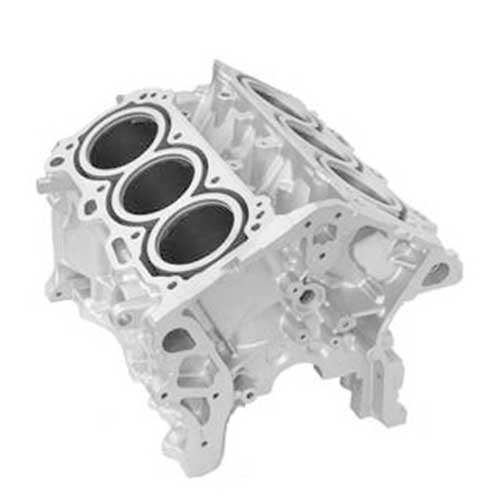
In today’s fast-paced manufacturing landscape, businesses face immense pressure to deliver high-quality components with tight tolerances, short lead times, and cost efficiency. Whether you’re in the automotive, aerospace, or medical industry, finding reliable solutions for CNC processing parts can be a daunting challenge. From selecting the right materials to ensuring consistent quality control, every step in the process impacts the final product’s performance and your bottom line. This guide will walk you through everything you need to know about CNC machining for parts manufacturing, addressing common pain points and providing actionable insights to optimize your production workflow.
Understanding CNC Machining: The Backbone of Precision Parts Production
CNC machining has revolutionized the manufacturing industry by replacing manual operations with computer-controlled precision. This technology uses pre-programmed software to dictate the movement of machine tools, resulting in highly accurate and repeatable parts production. Unlike traditional manual machining, CNC processes eliminate human error and enable complex geometries that would be nearly impossible to achieve by hand.
Key CNC Machining Processes for Parts Production
The versatility of CNC machining lies in its ability to perform various operations, each tailored to specific part requirements:
- CNC milling: Ideal for creating flat surfaces, slots, and complex 3D shapes using rotating cutting tools.
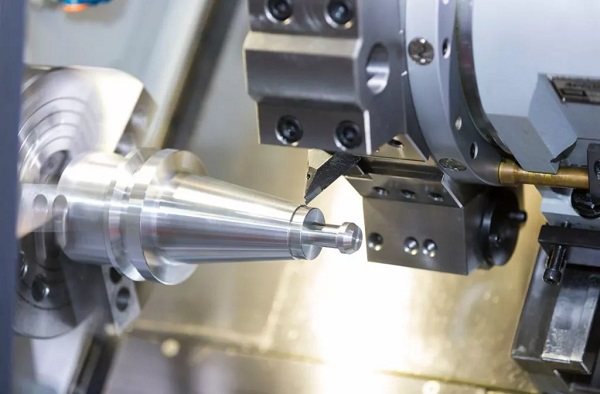
- CNC turning: Perfect for cylindrical parts, where the workpiece rotates against a stationary cutting tool to create precision diameters and threads.
- CNC drilling: Specialized for creating holes with consistent depth and diameter across multiple parts.
- CNC boring: Used to enlarge existing holes to precise dimensions, ensuring proper fits for assemblies.
- CNC grinding: Delivers superior surface finishes and tight tolerances by removing small amounts of material with abrasive wheels.
- CNC lathe: A staple in cylindrical part production, capable of creating intricate contours and threads.
- CNC router: Excellent for cutting and shaping softer materials like plastics and wood for industrial parts.
- CNC plasma cutting and CNC water jet cutting: Provide non-traditional machining options for thick materials or heat-sensitive components.
Behind every successful CNC machining operation is CNC programming—the process of creating the code that guides the machine tools. Modern CAM (Computer-Aided Manufacturing) software has simplified programming, allowing manufacturers to simulate operations before production, reducing setup time and minimizing material waste.
Parts Manufacturing: Meeting Diverse Industry Needs
The demand for custom, precision components spans nearly every industry, driving the need for specialized parts manufacturing capabilities. CNC machining excels in producing a wide range of parts, from simple washers to complex aerospace components, each requiring unique processing approaches.
Common Types of CNC Machined Parts
Manufacturers rely on CNC technology to produce various part categories:
- Machined parts: General components created through subtractive manufacturing processes.
- Custom parts: Tailored to specific customer designs, often requiring unique tooling and programming.
- Precision parts: Characterized by tight tolerances (often ±0.0001 inches) and superior surface finishes.
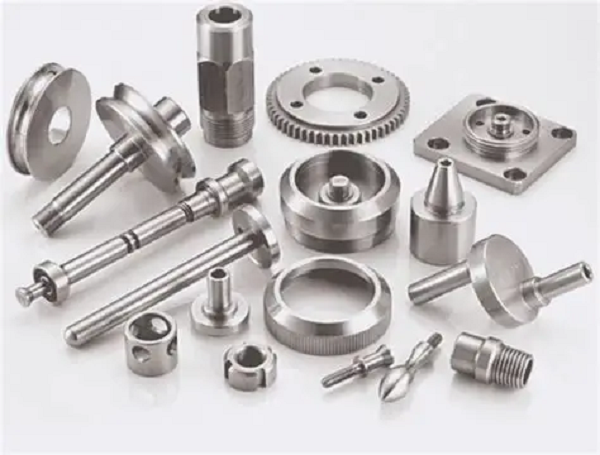
- Mechanical parts: Includes gears, shafts, and brackets used in machinery and equipment.
- Industrial parts: Heavy-duty components for manufacturing equipment and infrastructure.
- Automotive parts: Engine components, brackets, and assemblies that meet strict industry standards.
- Aerospace parts: Lightweight, high-strength components that adhere to aviation safety regulations.
- Medical parts: Biocompatible components for medical devices and equipment.
- Electronic parts: Small, precise components for circuit boards and electronic devices.
- Replacement parts: Critical for maintenance and repair operations across industries.
The global precision machining market, valued at $XX billion in 2024, is projected to grow at a CAGR of X% through 2030, highlighting the increasing reliance on CNC processing for parts production across sectors.
Material Selection: Choosing the Right Foundation for Your Parts
Selecting the appropriate material is a critical decision in CNC parts processing, as it directly affects the part’s performance, durability, and manufacturing cost. The ideal material depends on factors such as environmental conditions, load requirements, and industry regulations.
Comparing Common Materials for CNC Machining
| Material | Key Properties | Typical Applications | Machinability | Cost Range |
| Aluminum | Lightweight, corrosion-resistant, good thermal conductivity | Automotive parts, aerospace components, electronic enclosures | Excellent | Low to Medium |
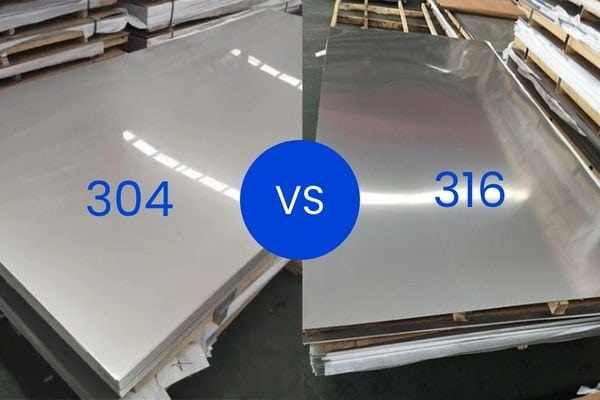
| Stainless steel | High strength, corrosion-resistant, hygienic | Medical devices, food processing equipment, marine parts | Good to Moderate | Medium to High |
| Brass | Excellent conductivity, attractive finish, machinable | Electrical components, plumbing parts, decorative elements | Excellent | Medium |
| Copper | High conductivity, malleable | Electrical parts, heat exchangers | Good | Medium to High |
| Titanium | High strength-to-weight ratio, biocompatible | Aerospace parts, medical implants, high-performance components | Moderate | High |
| Polycarbonate | Impact-resistant, transparent | Safety components, optical parts, enclosures | Good | Medium |
| Acrylic | Transparent, scratch-resistant | Displays, lenses, light fixtures | Good | Low to Medium |
| Nylon | Wear-resistant, self-lubricating | Gears, bushings, structural parts | Good | Low to Medium |
When selecting materials for CNC processing parts, manufacturers must balance performance requirements with machining characteristics. For example, while titanium offers exceptional strength, its poor machinability increases production time and costs compared to aluminum.
Quality Control: Ensuring Precision and Reliability
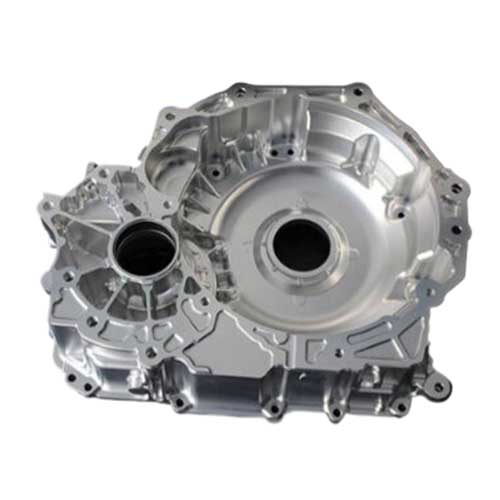
In precision manufacturing, even the smallest deviation can compromise part performance, making robust quality control processes essential. Effective quality management ensures that parts meet design specifications, perform reliably in their intended applications, and comply with industry standards.
Critical Quality Control Measures in CNC Machining
- Tolerance management: Maintaining dimensional accuracy within specified limits, often as tight as ±0.0005 inches for critical components.
- Surface finish inspection: Evaluating surface texture and smoothness using tools like profilometers to ensure proper functionality and aesthetics.
- Metrology: Using advanced measurement tools such as coordinate measuring machines (CMMs) for precise 3D inspections.
- Calibration: Regular verification and adjustment of machining equipment to maintain accuracy over time.
- Quality assurance protocols: Implementing standardized processes throughout production to prevent defects.
- Testing procedures: Conducting functional and stress tests to validate part performance under operating conditions.
- Certification: Obtaining industry-specific certifications (ISO 9001, AS9100 for aerospace, ISO 13485 for medical) to demonstrate quality commitment.
- Defect detection systems: Using automated vision systems and statistical process control to identify issues early in production.
According to industry studies, manufacturers that implement comprehensive quality control systems experience up to 30% fewer defects and 20% lower rework costs compared to those with minimal quality processes. These savings directly contribute to improved customer satisfaction and competitive advantage.
Applications and Industries: Where CNC Processing Parts Shine
The versatility of CNC machining makes it indispensable across a wide range of industries, each with unique requirements that benefit from precision manufacturing capabilities.
Key Industries Leveraging CNC Machining
- Automotive industry: Relies on CNC machining for engine components, transmission parts, and custom fixtures, requiring high volume and consistent quality.
- Aerospace industry: Demands lightweight, high-strength components with extreme precision, where safety and reliability are paramount.
- Medical industry: Produces intricate, biocompatible parts for devices and implants, adhering to strict regulatory standards.
- Electronics industry: Creates small, precise components for circuit boards, connectors, and enclosures with tight tolerances.
- Industrial machinery: Manufactures heavy-duty parts for equipment, ensuring durability and long service life.
- Consumer products: Uses CNC machining for everything from appliance components to high-end sporting goods.
- Robotics: Requires precise gears, brackets, and housings for reliable automation systems.
- Defense industry: Produces mission-critical components that must perform under extreme conditions.
- Telecommunications: Creates precision parts for communication equipment and infrastructure.
- Energy sector: Manufactures components for power generation and distribution systems, often from high-strength materials.
In the aerospace industry alone, CNC machining is responsible for producing over 80% of all structural components, highlighting its importance in safety-critical applications. Similarly, the medical device market relies heavily on CNC processing for parts that must meet exacting standards for patient safety.
Moshijia Technology’s Perspective
At Moshijia Technology, we understand that precision and reliability are non-negotiable in CNC processing parts. Our advanced CNC machining capabilities, combined with strict quality control and material expertise, enable us to deliver custom solutions across industries. We leverage cutting-edge technology and experienced engineers to turn complex designs into high-performance parts, ensuring every component meets your exact specifications.
Frequently Asked Questions (FAQ)
- What factors affect the cost of CNC processing parts?
The cost is influenced by material selection, part complexity, tolerance requirements, production volume, and required surface finishes. More complex geometries and tighter tolerances typically increase machining time and costs.
- How long does it take to produce CNC machined parts?
Lead times vary based on part complexity, material, and order quantity. Simple parts may be produced in days, while complex, high-precision components can take several weeks, including design, programming, and quality inspection.
- What tolerances can be achieved with CNC machining?
CNC machining can achieve tolerances as tight as ±0.0001 inches (0.00254 mm) for certain processes, though typical tolerances range from ±0.0005 to ±0.005 inches depending on the material, part size, and machining process used.