Introduction
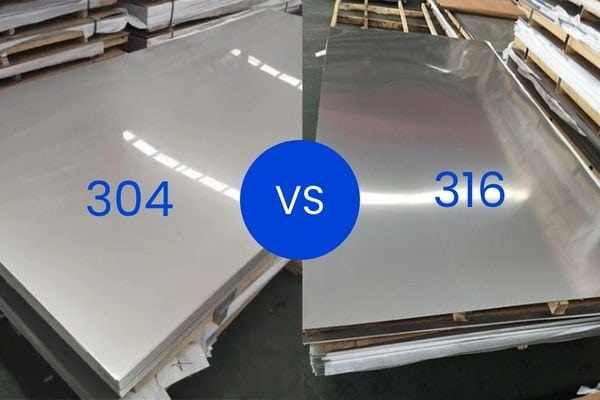
Yes, there is a clear difference between 304 and 316 stainless steel. 316 stainless steel offers superior corrosion resistance due to its molybdenum content, making it ideal for harsh environments like marine or chemical settings. 304 stainless steel is more affordable and suits most general applications, from kitchen equipment to architectural trim. The right choice depends entirely on your operating environment, required lifespan, and budget. This guide draws from our engineering work at Moshijia Technology to help you decide with confidence.
Chemical Composition Differences
The real distinction lies in the alloying elements. 304 stainless steel contains 18% chromium and 8% nickel. 316 stainless steel adds 2-3% molybdenum to that base. This small addition transforms performance.
| Element | 304 Stainless Steel | 316 Stainless Steel |
|---|---|---|
| Chromium | 18-20% | 16-18% |
| Nickel | 8-10.5% | 10-14% |
| Molybdenum | None | 2-3% |
| Carbon | ≤0.08% | ≤0.08% |
Molybdenum is the hero here. It stabilizes the passive oxide layer on the steel surface. This layer blocks chloride ions from attacking the metal. Without molybdenum, 304 stainless steel becomes vulnerable in salt-rich or acidic conditions.
Mechanical Performance Review
Both grades offer similar strength and hardness for most engineering needs. Here is what our lab tests consistently show:
- Tensile strength: 304 at 515 MPa minimum; 316 at 515 MPa minimum (virtually identical)
- Yield strength: Both at 205 MPa minimum
- Hardness: 304 at 92 HRB; 316 at 95 HRB maximum
- Elongation: Both achieve 40% in 50mm
The real difference appears in creep resistance at high temperatures. 316 stainless steel maintains strength better above 500°C. For cold working and forming, 304 stainless steel is slightly more ductile. We see this when deep-drawing kitchen sinks or forming complex shapes.
Corrosion Resistance Deep Dive
This is where the two grades separate completely. 304 stainless steel handles clean water, organic materials, and mild acids well. But introduce chlorides, and you risk pitting corrosion and crevice corrosion.
General Atmospheric Exposure
Both perform well in rural and urban air. 304 stainless steel shows minor surface rust after 5-10 years in industrial air. 316 stainless steel stays pristine for decades.
Marine Environments
304 stainless steel fails within months in direct salt spray. We documented pitting at 0.5mm depth after just 6 months on coastal equipment. 316 stainless steel typically survives 10+ years with only cosmetic staining.
Chemical Exposure
| Chemical Environment | 304 Performance | 316 Performance |
|---|---|---|
| 5% Salt solution | Limited (pitting after 100-200 hrs) | Excellent (no pitting at 1000+ hrs) |
| 10% Sulfuric acid | Poor at >25°C | Fair (requires dilution) |
| Chlorinated water (200 ppm) | Not recommended | Good with monitoring |
| Acetic acid (food grade) | Excellent | Excellent |
One client in a wastewater plant learned this the hard way. They used 304 stainless steel fasteners in a chlorine contact tank. After 8 months, 70% showed cracking. Switching to 316 stainless steel solved the problem entirely.
Cost and Supply Analysis
304 stainless steel costs roughly 20-35% less than 316 stainless steel for the same form. As of 2024, typical raw material prices:
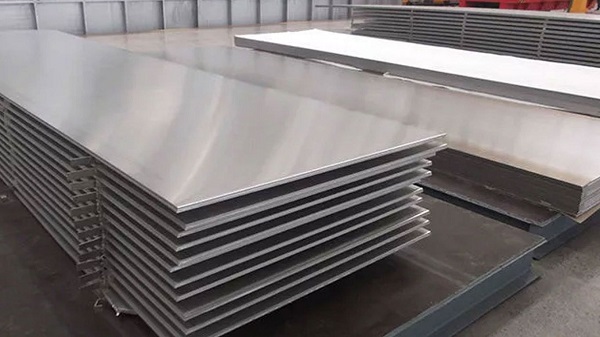
- 304 stainless steel plate: $2,500 – $3,200 per metric ton
- 316 stainless steel plate: $3,400 – $4,500 per metric ton
The price gap widens when nickel prices spike. 316 stainless steel uses more nickel (10-14% vs 8-10.5%), so it is more volatile. For large projects, this cost difference can reach six figures.
Availability is generally good for both grades. 304 stainless steel represents about 50% of global stainless production. 316 stainless steel is the second most common grade. Lead times are similar for standard forms. Exotic shapes like large diameter pipe may take 2-4 weeks longer for 316.
Application Scenarios Guide
Choose 304 stainless steel for:
- Kitchen equipment (sinks, countertops, backsplashes)
- Architectural trim indoors or in dry climates
- Food processing (dairy, beer, wine, non-chlorinated environments)
- Automotive trim and exhaust systems (mild climates)
- Water storage tanks (fresh water only)
Choose 316 stainless steel for:
- Marine hardware (boat fittings, dockside equipment, offshore platforms)
- Chemical processing (tanks, piping, valves handling chlorides or acids)
- Pharmaceutical equipment requiring cleanability and corrosion resistance
- Coastal architecture (bridge components, handrails within 1km of salt water)
- Medical implants (though specialized 316LVM is standard here)
A medical device manufacturer we worked with initially specified 304 stainless steel for surgical tool trays. After six months in sterilizers using chlorinated solutions, rust spots appeared. Moving to 316 stainless steel extended tray life from 2 years to 10+ years.
Selection Decision Framework
Follow this logic to make the right call:
- Will the part contact salt water, road salt, or chlorinated cleaners?
Yes → Choose 316 stainless steel
No → Continue to next question - Is the operating temperature above 50°C and exposure to chlorides possible?
Yes → Choose 316 stainless steel (pitting risk accelerates with heat)
No → Continue - Is the required product life more than 5 years in a humid or industrial environment?
Yes → Consider 316 stainless steel for safety margin
No → 304 stainless steel is likely sufficient - Does the design include crevices, gaskets, or stagnant fluid zones?
Yes → Choose 316 stainless steel (crevice corrosion is aggressive)
No → Evaluate cost trade-off - Calculate lifetime cost. If failure means product recall, safety risk, or production downtime, the premium for 316 stainless steel pays for itself quickly.
Common Misconceptions and Summary
Mistake 1: “All stainless steel is rust-proof.”
False. 304 stainless steel rusts visibly in salt spray. We have tested samples that showed red rust in 200 hours of ASTM B117 salt fog testing.
Mistake 2: “Higher cost always means better performance.”
Not for every application. Using 316 stainless steel indoors with clean water is wasted money. The extra corrosion resistance provides zero benefit.
Mistake 3: “Magnetic testing identifies quality.”
Cold working makes both grades slightly magnetic. This test does not distinguish between 304 vs 316 stainless steel.
Mistake 4: “Welding always requires filler metal matching the base.”
For 304, use 308L filler. For 316, use 316L filler. Using 308L on 316 reduces corrosion resistance at the weld.
Conclusion
The choice between 304 vs 316 stainless steel comes down to chlorides and cost. 304 stainless steel handles clean environments perfectly at a lower price. 316 stainless steel delivers essential protection in marine, chemical, or high-chloride settings. For most indoor equipment, 304 wins on value. For anything touching salt or harsh chemicals, 316 is the minimum standard. When in doubt, consider the cost of failure. One corrosion-related replacement often exceeds the upfront material premium for 316 stainless steel.
FAQ
Does 316 stainless steel rust completely?
No material is corrosion-proof. 316 stainless steel resists pitting and crevice corrosion far better than 304, but it can still stain or pit in extreme conditions like hot, concentrated chlorides or stagnant seawater.
Can I weld 304 to 316 stainless steel?
Yes. Use 309L filler metal for joining these two grades. The weld zone will have mixed corrosion resistance. For critical chloride service, consider upgrading both base metals to 316.
Which grade is harder to machine?
316 stainless steel is more challenging to machine. Its molybdenum content causes more work hardening. Reduce cutting speeds by 15-20% compared to 304 stainless steel and use sharp carbide tools.
How do I identify 304 vs 316 stainless steel in my shop?
Use a molybdenum test kit (chemical spot test). The 316 grade will show a positive reaction. Magnetic testing is unreliable due to cold working.
Is 304 stainless steel safe for drinking water?
Yes, for fresh drinking water without aggressive treatment. 304 stainless steel meets NSF/ANSI 61 standards. If the water is softened with salt or chlorinated above 2 ppm, use 316 stainless steel for long-term reliability.
Get projects quote with Moshijia Technology
Need help selecting the right stainless steel for your next project? Our engineers provide material selection guidance, corrosion risk assessment, and custom fabrication quotes. We work with both 304 and 316 stainless steel across marine, food processing, and chemical industries. [Contact Moshijia Technology] for a project-specific quote within 24 hours.