Introduction: The Foundation of Manufacturing
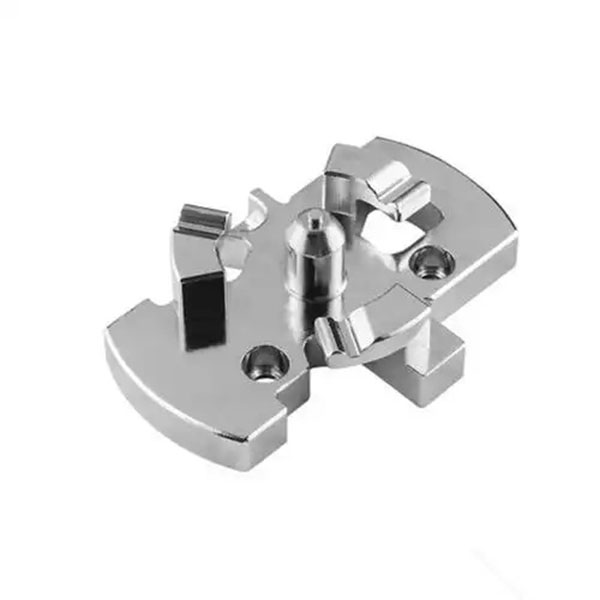
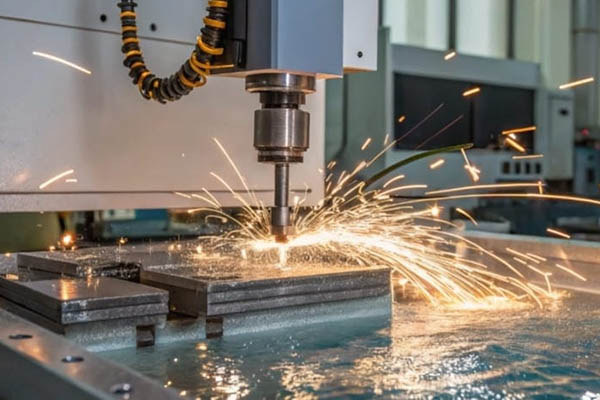
In every advanced piece of technology we use daily—from the smartphone in our pocket to the aircraft flying overhead—there is a world of hidden precision. This precision often comes from CNC machining, which is a key part of modern manufacturing. Computer Numerical Control (CNC) machining is a manufacturing process where computer-controlled machines carefully remove material from a solid block to create a finished part.
But not all machined parts are the same. A part qualifies as “high-precision” when it meets very tight requirements, has complex shapes, and has an excellent surface finish. These are not just visual qualities; they are functional requirements. We find that high-precision cnc machining parts are the essential enablers of innovation, safety, and performance across today’s most demanding industrial sectors. This guide will provide a deep, technical understanding of these important components.
Here is what you will learn:
- A detailed look at the common materials used for CNC parts and how to choose the right one.
- The key advantages that make precision machining a better manufacturing choice.
- Important applications in the automotive, aerospace, and electronics industries.
- The processes and technologies that make high precision possible.
A Detailed Look at Common Materials
Material selection is one of the most important decisions in the engineering process. The choice of material directly affects a part’s strength, weight, resistance to rust, heat properties, and ultimately, its performance and cost. For high-precision cnc machining parts, we work with a wide range of metals and plastics, each offering a unique set of characteristics designed for specific applications.
Metals: The Workhorses of Industry
Metals form the backbone of industrial manufacturing, valued for their strength, durability, and heat stability.
- Aluminum Alloys (e.g., 6061, 7075): Known for an excellent strength-to-weight ratio and natural resistance to rust, aluminum is a go-to for aerospace and automotive applications where reducing weight without losing strength is most important.
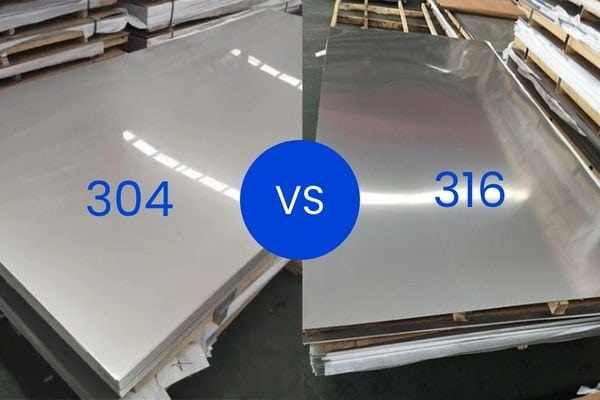
- Stainless Steel (e.g., 303, 304, 316): Offering high strength, exceptional resistance to rust, and the ability to withstand high temperatures, stainless steel is crucial for medical devices, food processing equipment, and components exposed to harsh environments.
- Titanium (e.g., Grade 2, Grade 5): With a strength comparable to steel at about half the weight, along with body compatibility and superb resistance to rust, titanium is a premium material. It is the top choice for aerospace structural parts, high-performance automotive components, and medical implants.
- Brass and Copper: These materials are selected primarily for their excellent electrical conductivity and good resistance to rust. They are commonly used for electrical connectors, detailed fittings, and valves.
Plastics & Polymers: Flexibility and Specialization
Advanced polymers offer a wide range of properties, from general-purpose toughness to high-performance metal replacement capabilities.
- ABS: A common thermoplastic with good impact resistance and overall toughness, often used for protective enclosures, housings, and functional prototypes.
- PEEK: As a high-performance thermoplastic, PEEK maintains excellent mechanical strength and chemical resistance at extreme temperatures. It is increasingly used as a lightweight replacement for metal in demanding aerospace, medical, and chemical processing applications.
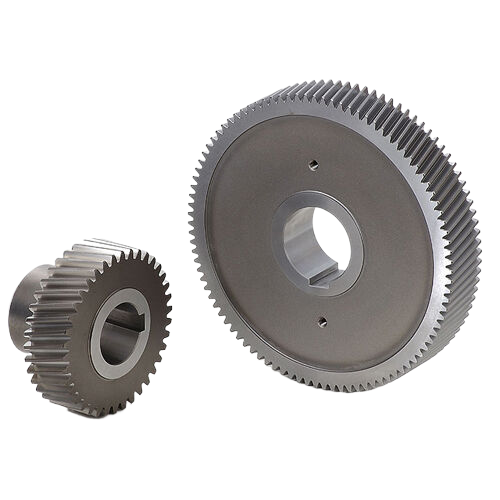
- Nylon: This versatile polymer provides a good balance of mechanical properties and chemical resistance, making it suitable for gears, bearings, and other structural components that require durability and low friction.
- Delrin (Acetal): Valued for its high stiffness, low friction, and excellent dimensional stability, Delrin is perfect for precision parts like gears, bushings, and fuel system components that demand consistent performance over time.
Material Selection Guide
To help in the decision-making process, we have put together a comparison of these common materials. This table provides a high-level overview for engineers and designers to quickly assess which material best fits their project’s functional and budget requirements.
| Material | Key Properties | Best For (Application) | Considerations |
| Aluminum 6061 | Density: ~2.7 g/cm³<br>Tensile Strength: ~310 MPa | Structural components, enclosures, automotive parts | Good machinability, moderate cost, excellent strength-to-weight ratio |
| Stainless Steel 316 | Density: ~8.0 g/cm³<br>Tensile Strength: ~580 MPa | Medical devices, marine hardware, food processing | Excellent corrosion resistance, higher cost, more difficult to machine |
| Titanium (Grade 5) | Density: ~4.4 g/cm³<br>Tensile Strength: ~950 MPa | Aerospace components, medical implants, high-performance racing parts | Highest strength-to-weight ratio, biocompatible, very high cost |
| Brass 360 | Density: ~8.5 g/cm³<br>Tensile Strength: ~360 MPa | Electrical fittings, plumbing components, decorative hardware | Excellent machinability, good corrosion resistance, high electrical conductivity |
| PEEK | Density: ~1.3 g/cm³<br>Tensile Strength: ~100 MPa | High-temperature applications, chemical-resistant parts, metal replacement | Excellent thermal and chemical resistance, high cost, specialized machining |
| Delrin (Acetal) | Density: ~1.4 g/cm³<br>Tensile Strength: ~65 MPa | Precision gears, bearings, bushings, fuel system parts | Low friction, high stiffness, excellent dimensional stability, moisture sensitive |
| Nylon 6/6 | Density: ~1.15 g/cm³<br>Tensile Strength: ~85 MPa | Wear pads, rollers, structural components | Good toughness and wear resistance, cost-effective, absorbs moisture |
| ABS | Density: ~1.06 g/cm³<br>Tensile Strength: ~40 MPa | Prototypes, enclosures, consumer product housings | Good impact strength, easy to process, lower cost |
The Key Advantages of Components
The decision to specify high-precision CNC machining comes from a need for performance and reliability that other manufacturing methods cannot deliver. The benefits extend far beyond simple dimensional accuracy; they influence the entire lifecycle of a product, from assembly to long-term field performance.
Unmatched Precision and Repeatability
At its core, precision machining is defined by its ability to hold extremely tight tolerances, often measured in micrometers. More importantly, it can replicate these dimensions across production runs of thousands of parts. This consistency is known as repeatability.
What this means in practice is guaranteed interchangeability. In a complex assembly like an automotive transmission or an aircraft control system, every component must fit and function perfectly with its counterparts. CNC machining ensures this level of reliability, simplifying assembly lines and ensuring that replacement parts will perform identically to the original. While general tolerances are often governed by standards like ISO 2768, many critical applications require client-defined tolerances in the range of ±0.001 inches (±0.025 mm) or even tighter.
Superior Surface Finish
Surface finish, measured by Roughness Average (Ra), refers to the smoothness and texture of a part’s surface. A superior surface finish is not just for looks; it is a critical functional characteristic.
In applications with moving parts, a smoother surface reduces friction, which in turn minimizes wear and heat generation, extending the component’s operational life. For parts that require a seal, such as in hydraulic or pneumatic systems, a fine surface finish is essential for preventing leaks. In optical or medical applications, the surface quality can be most important for performance and body compatibility. CNC machining allows for precise control over the final surface finish through carefully selected tooling, cutting speeds, and post-processing techniques.
Complex Geometries and Features
Modern 5-axis CNC machines can manipulate a workpiece and cutting tool along five different axes simultaneously. This capability unlocks the ability to create incredibly complex geometries, undercuts, and detailed features in a single setup.
This is a game-changer for design optimization. Engineers are no longer constrained by the limitations of traditional 3-axis machining or molding. A single, complex CNC machined part can often replace an assembly of several simpler components. This part consolidation leads to a final product that is not only lighter and stronger but also has fewer potential points of failure, increasing overall system strength.
Material Flexibility
As detailed in the previous section, the subtractive nature of CNC machining makes it compatible with an enormous range of engineering materials. From soft plastics to hardened tool steels and exotic superalloys, if a material can be cut, it can be machined.
This flexibility empowers designers to select the absolute best material for a specific function without being constrained by the manufacturing process. Whether an application demands the electrical conductivity of copper, the body compatibility of titanium, or the high-temperature resistance of PEEK, CNC machining provides a viable path to production.
Important Applications Across Industries
The theoretical benefits of precision machining become real when we examine their real-world impact. High-precision cnc machining parts are not just components; they are the enabling elements behind some of the most advanced systems in the automotive, aerospace, and electronics sectors.
Automotive Sector: Performance and Safety
In the automotive world, precision directly translates to performance, efficiency, and safety.
- Case Study: Engine Components. The power and efficiency of an internal combustion engine or an electric motor depend on the perfect interaction of its moving parts. We machine components like pistons and cylinder heads to incredibly tight tolerances. This precision ensures a perfect seal, maximizing compression in an ICE to extract more power from every drop of fuel, or ensuring the exact air gap in an EV motor for optimal electromagnetic performance.
- Case Study: Suspension and Braking Systems. Components like brake calipers and suspension knuckles are safety-critical. They must withstand immense forces and repeated stress cycles without failure. We use CNC machining to produce these parts from solid blocks of high-strength aluminum or steel, ensuring absolute structural integrity and reliable performance under the most extreme driving conditions.
Aerospace Sector: Zero Margin for Error
In aerospace, failure is not an option. That’s why we rely on CNC machining for components where precision is directly linked to safety and mission success. The consequences of a single component failure can be catastrophic, making manufacturing integrity a non-negotiable requirement.
- Case Study: Turbine Blades. The turbine blades inside a jet engine feature complex, aerodynamic airfoil shapes. Every aspect of their geometry must be perfect to ensure aerodynamic efficiency and rotational balance. A minute imperfection can disrupt airflow or create an imbalance that, at tens of thousands of RPM, could lead to catastrophic engine failure. Only multi-axis CNC machining can consistently produce these complex and critical shapes.
- Case Study: Structural Components. “Lightweighting” is a primary goal in aircraft design. Every gram saved translates to fuel efficiency or increased payload capacity. We machine large structural components, such as bulkheads and actuator housings, from single billets of aluminum or titanium. The process carves away all non-essential material, creating an optimized, web-like structure that provides maximum strength for minimum weight—a feat impossible to achieve with casting or fabrication.
Electronics Sector: Miniaturization and Heat
As electronics become smaller, more powerful, and more integrated, the demand for precision machined components for housing and thermal management has surged.
- Case Study: Custom Heat Sinks. High-performance processors in servers, gaming PCs, and communication equipment generate immense heat. A custom CNC machined heat sink, often made from aluminum or copper, is designed with detailed fin patterns to maximize surface area. This allows for optimal thermal dissipation, protecting sensitive electronic components and ensuring stable performance.
- Case Study: Consumer Electronics Enclosures. The premium feel of a high-end laptop or smartphone is often due to its unibody chassis. These enclosures are machined from a single, solid block of aluminum. This process not only provides exceptional durability and a seamless aesthetic but also ensures that all internal components fit with exact precision, a critical factor in today’s tightly packed devices.
How Precision is Achieved
Achieving tolerances measured in microns is not an accident. It is the result of a working system that combines advanced technology, strict quality control processes, and irreplaceable human expertise. When we produce high-precision cnc machining parts, we are orchestrating a complex manufacturing symphony.
The Role of Advanced Machinery
The foundation of precision is the machine itself. Modern CNC centers are marvels of engineering, designed for rigidity and accuracy.
- Multi-Axis CNC Machines: While a 3-axis machine moves in the X, Y, and Z directions, 5-axis machines add two rotational axes. This allows the cutting tool to approach the workpiece from virtually any angle. The primary advantage is the ability to machine complex shapes in a single setup. Every time a part is removed and re-fixtured, there is a potential for error. By minimizing setups, 5-axis machining inherently increases accuracy.
- High-Quality Tooling: The cutting tools—the end mills, drills, and inserts—are just as important as the machine. We select tools made from materials like carbide, often with specialized coatings, that are specifically designed for the material being cut. Using sharp, high-quality, and appropriate tooling is essential for achieving a fine surface finish and maintaining dimensional accuracy.
Quality Control & Inspection
Manufacturing a part is only half the battle; verifying its accuracy is the other half. A strong quality control process is integrated throughout the entire production workflow.
- In-Process Inspection: Modern CNC machines are often equipped with touch probes. These probes can be used during the machining cycle to automatically measure features, verify tool positions, and make minor adjustments in real-time to compensate for tool wear.
- Coordinate Measuring Machines (CMM): After machining, the finished part is taken to a temperature-controlled inspection lab. A CMM is the gold standard for quality verification. It uses a highly sensitive probe to measure the physical geometry of the part, comparing tens of thousands of data points against the original CAD model to generate a detailed inspection report.
- Material Certification and Traceability: Particularly in the aerospace and medical sectors, we must maintain complete traceability for all raw materials. This involves documenting material certifications from the mill and tracking each piece of stock through every stage of production, ensuring the final part is made from the specified and approved material lot.
The Human Element
Despite the advanced automation, the skill of the machinist and CAM programmer remains most important. Technology is a powerful tool, but it is human expertise that uses it effectively. The programmer creates the optimal toolpaths to create the part efficiently and accurately. The machinist sets up the machine, monitors the process, and uses their experience to troubleshoot any issues that arise. It is this combination of expert human oversight and advanced technology that truly delivers on the promise of high precision.
Conclusion: The Future is Forged
We have journeyed from the foundational definition of high-precision cnc machining parts to a deep exploration of their materials, their clear advantages, and their critical role in shaping our modern world. From the engines that power our vehicles to the devices that connect us, precision components are the silent heroes enabling performance, safety, and reliability.
In an era of accelerating technological advancement, the demands for quality and precision will only intensify. As we push the boundaries of what is possible in electric vehicles, space exploration, next-generation medical devices, and beyond, the need for components manufactured to the highest standards of accuracy has never been greater. The future is being built today, and it is being forged with the unparalleled precision that only CNC machining can provide.