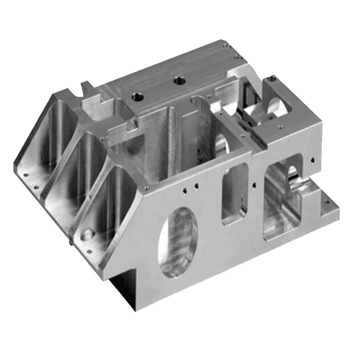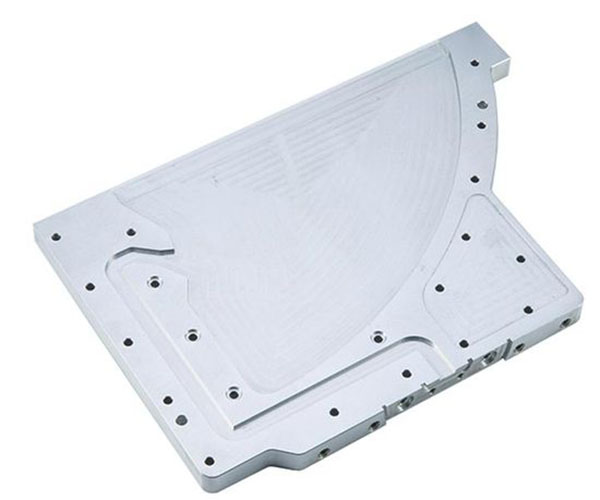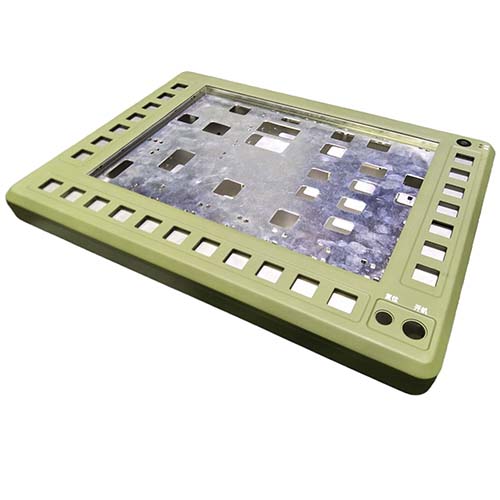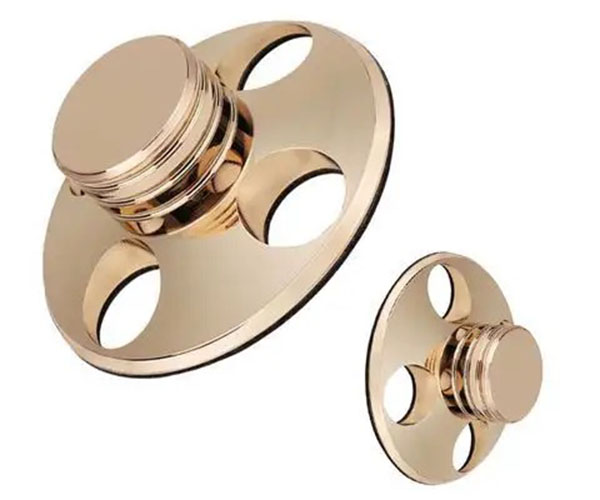
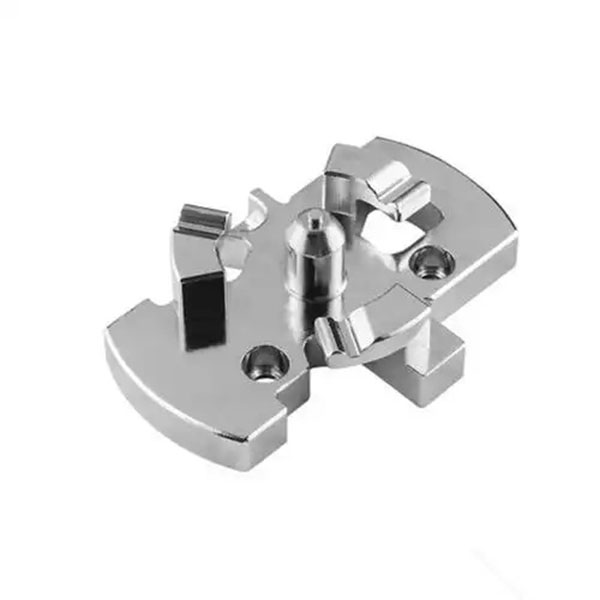
If you’re working on a project that needs strong, lightweight metal parts—whether for automotive, aerospace, or electronics—aluminum CNC machining parts are likely a top consideration. Simply put, these parts are created by using Computer Numerical Control (CNC) machines to cut, shape, and finish aluminum (or its alloys) into precise, custom components. The big advantage here is that CNC machining delivers consistent, high-quality parts with tight tolerances, making aluminum an even better choice thanks to its natural benefits like low weight, good strength, and easy machinability. Whether you’re prototyping a new device or producing parts in bulk, aluminum CNC machining parts check most boxes for cost, performance, and versatility.
Why Aluminum Is a Top Choice for CNC Machining Parts
Aluminum stands out among metals for CNC machining, and it’s not just because it’s lightweight. Let’s break down the key reasons it’s the go-to material for so many aluminum CNC machining parts, with real-world context to show why these benefits matter.
First, aluminum’s strength-to-weight ratio is unbeatable for many applications. A pound of aluminum offers nearly the same strength as heavier metals like steel, which is a game-changer for industries where weight matters. For example, an aerospace manufacturer we worked with switched from steel to aluminum CNC parts for aircraft seating frames. The result? Each seat was 30% lighter, cutting the plane’s overall weight by 500 pounds. This reduced fuel consumption by 8% per flight— a huge savings over time.
Then there’s machinability. Aluminum is soft enough for CNC machines to cut quickly and cleanly, but strong enough to hold its shape. This means faster production times: a CNC mill can finish an aluminum bracket in half the time it would take to machine a similar steel part. For a small automotive parts shop, this translated to doubling their output of custom engine mounts without adding extra machines.
Aluminum also has natural corrosion resistance, thanks to a thin oxide layer that forms on its surface. This eliminates the need for extra coatings in many cases—like for indoor electronic enclosures. We once helped a consumer electronics brand use uncoated aluminum CNC parts for speaker grilles; they lasted 5+ years without rusting, even in humid homes.
Finally, cost. Aluminum is more affordable than metals like titanium or brass, and its fast machinability lowers labor costs too. A medical device company producing 1,000 small aluminum CNC housings for monitors saved 25% compared to using stainless steel, with no compromise on durability.
Key Aluminum Alloys for CNC Machining Parts (With Comparison Table)
Not all aluminum is the same—alloys (aluminum mixed with other elements) are tailored for specific uses. Choosing the right alloy is critical for your aluminum CNC machining parts to perform as needed. Below is a breakdown of the most common alloys, their properties, and real-world applications, plus a comparison table for quick reference.
1. Aluminum 6061-T6: The “All-Purpose” Alloy
This is the most widely used alloy for CNC parts. It’s made with magnesium and silicon, which give it good strength and excellent weldability. It’s also easy to machine and has solid corrosion resistance. We often recommend it for projects like bike frames, electrical fittings, or brake pistons. For example, a bicycle manufacturer used 6061-T6 aluminum CNC parts for their frame tubes—they were lightweight enough for long rides, strong enough to handle rough terrain, and cheap enough to keep the bike affordable.
2. Aluminum 7075-T6: The “High-Strength” Alloy
If you need maximum strength, 7075-T6 is the way to go. It’s alloyed with zinc, making it one of the strongest aluminum alloys available (stronger than some steels!). However, it’s less corrosion-resistant than 6061, so it often needs coatings like anodizing. We’ve used it for aircraft fittings and gear shafts—one aerospace client relied on 7075-T6 aluminum CNC parts for wing brackets, which had to withstand high wind pressures at 30,000 feet.
3. Aluminum 2024-T3: The “Fatigue-Resistant” Alloy
This alloy (with copper as the main additive) resists fatigue—meaning it holds up well under repeated stress. It’s great for parts like bolts or piston heads that get used over and over. The catch? It’s not very corrosion-resistant and hard to weld. A truck manufacturer used 2024-T3 aluminum CNC parts for engine bolts; they lasted 100,000+ miles without breaking, even with constant vibration.
4. Aluminum 5052-H32: The “Corrosion-Fighter” Alloy
Magnesium is the star here, giving 5052-H32 top-tier corrosion resistance. It can’t be heat-treated, so it’s not as strong as 6061 or 7075, but it’s perfect for parts that touch liquids—like fuel tanks or oil lines. A marine equipment company used 5052-H32 aluminum CNC parts for boat fuel tanks; they didn’t rust or degrade even after years of exposure to saltwater.
5. Aluminum MIC-6: The “Precision” Alloy
MIC-6 is cast specifically for accuracy. It has no internal stresses, so it doesn’t warp during machining—ideal for jigs, fixtures, or test plates where every millimeter counts. A medical device tester used MIC-6 aluminum CNC parts for a fixture that holds surgical tools during sterilization; the fixture stayed perfectly flat for 3 years, ensuring consistent testing results.
Comparison Table: Common Aluminum Alloys for CNC Machining Parts
| Alloy | Main Alloying Element | Yield Strength (MPa) | Fatigue Strength (MPa) | Corrosion Resistance | Best For |
| 6061-T6 | Magnesium, Silicon | 276 | 96.5 | Good | Bike frames, electrical fittings |
| 7075-T6 | Zinc | 503 | 159 | Poor (needs coating) | Aircraft fittings, gear shafts |
| 2024-T3 | Copper | 345 | 138 | Poor | Bolts, piston heads |
| 5052-H32 | Magnesium | 193 | 117 | Excellent | Fuel tanks, oil lines |
| MIC-6 | None (cast aluminum) | 105 | N/A | Good | Jigs, fixtures, test plates |
CNC Machining Processes for Aluminum Parts: Which to Choose?
Different CNC processes are better suited for different aluminum part shapes and needs. Understanding which one to pick will save you time and money, and ensure your aluminum CNC machining parts turn out right. Let’s break down the most common processes, with examples of when to use each.
1. CNC Milling: For 3D Shapes
CNC milling uses rotating tools to cut aluminum into 3D shapes—think brackets, housings, or custom knobs. It’s great for parts with complex features like holes, slots, or curves. For example, a robotics company needed a custom aluminum housing for a sensor. We used CNC milling to create a 3D shape with multiple holes (for wiring) and a curved top (for aerodynamics). The process took 2 hours per part, and the tolerances were within 0.1mm—perfect for fitting the sensor inside.
2. CNC Turning: For Cylindrical Parts
If your part is round (like a shaft, bolt, or tube), CNC turning is the way to go. The machine spins the aluminum while a tool cuts it into a cylindrical shape. It’s fast and precise—we once made 100 aluminum shafts for a conveyor belt using CNC turning. Each shaft was 10 inches long and 1 inch in diameter, and the process took just 10 minutes per shaft. The result was consistent: every shaft fit perfectly into the conveyor’s bearings.
3. Waterjet Cutting: For Thick Sheets
Waterjet cutting uses a high-pressure stream of water (mixed with abrasive) to cut aluminum sheets into 2D shapes. It’s ideal for thick sheets (up to 6 inches) and doesn’t generate heat, so the aluminum doesn’t warp. A construction company needed large aluminum panels for a building’s exterior. We used waterjet cutting to cut 3-inch-thick aluminum sheets into 4×8 foot panels with custom cutouts (for windows). The edges were smooth, and there was no warping—critical for fitting the panels together.
4. Laser Cutting: For Prototypes and Thin Sheets
Laser cutting uses a laser beam to vaporize aluminum, creating clean 2D shapes. It’s fast, precise, and perfect for prototypes or small runs (1-100 parts) of thin sheets (up to 1 inch thick). A startup needed 50 prototype aluminum faceplates for a new smart thermostat. We used laser cutting to create the faceplates with small holes (for buttons) in just 1 day. The prototypes were so accurate that the startup used the same design for production.
5. EDM (Electrical Discharge Machining): For Intricate Designs
EDM uses electrical sparks to cut aluminum, making it ideal for parts with sharp inside corners or tiny details—like mold inserts or medical device components. A medical company needed a small aluminum part for a surgical tool with a 0.5mm-wide slot (too small for milling). We used EDM to create the slot, and the tolerance was within 0.01mm—exact enough for the tool to work safely in surgeries.
Surface Finishing for Aluminum CNC Machining Parts
Surface finishing isn’t just about making your aluminum CNC machining parts look good—it also boosts durability, corrosion resistance, and performance. Here are the most common finishes, with examples of when to use each.
1. Anodizing: The Most Popular Choice
Anodizing creates a thick oxide layer on the aluminum’s surface, making it harder and more corrosion-resistant. There are three main types:
- Type I (Chromic Acid): Thin and flexible, great for welded parts. A manufacturer used Type I anodizing on aluminum CNC parts for a welding machine— the finish didn’t crack when the parts were welded.
- Type II (Sulfuric Acid): Durable and comes in colors (black, silver, red). We used Type II anodizing on aluminum phone cases—they looked sleek and resisted scratches for years.
- Type III (Hardcoat): The thickest and hardest, ideal for heavy-use parts. A construction company used Type III anodizing on aluminum CNC parts for a jackhammer— the parts didn’t wear down even after 1,000 hours of use.
2. Powder Coating: For Color and Protection
Powder coating uses a dry powder that’s baked onto the aluminum, creating a thick, colorful finish. It’s great for parts that need to stand out—like outdoor furniture or tool handles. A garden supply company used powder-coated aluminum CNC parts for a lawnmower handle. The green finish matched their brand, and it didn’t chip even when the handle was dropped.
3. Polishing: For a Shiny Look
Polishing grinds and buffs the aluminum to a mirror finish. It’s perfect for decorative parts—like aluminum trim on a car or a custom trophy. A car customization shop used polished aluminum CNC parts for a vintage car’s dashboard trim. The shiny finish made the dashboard look brand new.
4. Plating: For Extra Durability
Plating adds a layer of another metal (like chrome or nickel) to the aluminum. It’s great for parts that need extra corrosion resistance or conductivity. A electronics company used nickel-plated aluminum CNC parts for a circuit board connector. The nickel plating improved conductivity, ensuring the connector worked reliably for 10+ years.
Applications of Aluminum CNC Machining Parts Across Industries
Aluminum CNC machining parts are used in almost every industry because they’re versatile, strong, and lightweight. Let’s look at the top industries and how they rely on these parts, with real-world examples.
1. Aerospace Industry
Weight and strength are critical here, and aluminum delivers. Aluminum CNC parts are used for aircraft frames, seating, and engine components. For example, a major airline uses 7075-T6 aluminum CNC parts for wing spars (the beams that hold the wings up). The parts are strong enough to withstand 30,000 feet of altitude pressure and light enough to cut fuel costs by 10% per flight.
2. Automotive Industry
Automakers use aluminum CNC parts to lighten cars, improving fuel efficiency. Common parts include engine mounts, brake calipers, and door frames. A car manufacturer switched from steel to 6061-T6 aluminum CNC parts for their SUV’s door frames. Each door was 20% lighter, and the SUV’s gas mileage improved by 3 miles per gallon.
3. Electronics Industry
Aluminum’s conductivity and corrosion resistance make it great for electronics. Parts like device housings, heat sinks, and connectors are often aluminum CNC parts. A smartphone brand uses 5052-H32 aluminum CNC parts for their phone’s heat sink. The aluminum dissipates heat quickly, keeping the phone from overheating during heavy use.
4. Medical Industry
Precision and durability are key here. Aluminum CNC parts are used for surgical tools, device housings, and test fixtures. A medical device company uses MIC-6 aluminum CNC parts for a fixture that holds pacemakers during testing. The MIC-6 alloy’s lack of internal stress ensures the fixture stays precise, so the pacemakers are tested accurately.
5. Construction Industry
Aluminum’s corrosion resistance makes it ideal for outdoor construction. Parts like building panels, window frames, and scaffolding components are often aluminum CNC parts. A construction company used waterjet-cut aluminum CNC parts for a skyscraper’s exterior panels. The panels were light enough to lift with small cranes, and they didn’t rust in the rain.
Moshijia Technology’s View on Aluminum CNC Machining Parts
At Moshijia Technology, we’ve worked with hundreds of clients on aluminum CNC machining parts, and we’ve seen firsthand why aluminum is a game-changer. The biggest advantage we’ve observed is its versatility—whether a client needs a prototype for a startup or 10,000 production parts for an automotive line, aluminum adapts. We often recommend 6061-T6 for most projects because it balances strength, machinability, and cost, but we tailor our alloy and process choices to each client’s needs. For example, we helped a small aerospace startup use 7075-T6 aluminum CNC parts for their drone’s propeller shafts— the parts were strong enough to handle high speeds and light enough to keep the drone’s flight time long. We also prioritize surface finishing: anodizing is our go-to for most clients because it adds durability without extra cost. Overall, aluminum CNC machining parts offer the best value for most projects, and we’re excited to see how they’ll be used in future innovations—like electric vehicles and space exploration.
FAQ About Aluminum CNC Machining Parts
1. How long does it take to make aluminum CNC machining parts?
It depends on the part’s complexity and the process. Simple parts (like a small bracket) can take 1-2 hours with CNC milling or turning. Complex parts (like a 3D housing with multiple features) can take 4-8 hours. Prototypes are often faster—laser-cut parts can be done in a day—while bulk production (1,000+ parts) may take 1-2 weeks.
2. Are aluminum CNC machining parts expensive?
No, they’re often more affordable than parts made from other metals. Aluminum is cheaper than titanium or brass, and its fast machinability lowers labor costs. For example, a small aluminum bracket costs \(5-\)10, while a similar steel bracket costs \(10-\)15. Bulk orders (1,000+ parts) can lower the cost even more—sometimes by 30%.
3. How strong are aluminum CNC machining parts?
It depends on the alloy. 7075-T6 is the strongest (yield strength of 503 MPa)—strong enough to replace some steels. 6061-T6 is medium-strength (276 MPa), which is enough for most applications like bike frames or electrical fittings. Even weaker alloys like 5052-H32 (193 MPa) are strong enough for fuel tanks or oil lines.
4. Do aluminum CNC machining parts rust?
No, aluminum doesn’t rust (rust is iron oxide). It forms a thin oxide layer on its surface that prevents corrosion. However, some alloys (like 7075-T6 or 2024-T3) are less corrosion-resistant and may need a finish (like anodizing) if used in wet or salty environments (like marine or outdoor applications).
5. Can aluminum CNC machining parts be welded?
Yes, but it depends on the alloy. 6061-T6 is the easiest to weld, making it great for parts that need to be joined (like bike frames). 2024-T3 and 7075-T6 are harder to weld—they may crack if not welded properly. If you need to weld your parts, ask your manufacturer to use a weldable alloy or pre-treat the aluminum before welding.