In today’s fast-paced manufacturing landscape, businesses face mounting pressure to deliver high precision components with shorter lead times while maintaining cost efficiency. Traditional metalworking methods often struggle to meet the demands of complex designs, tight tolerance levels, and diverse material requirements. This is where the powerful combination of CNC technology and laser systems emerges as a game-changer, offering unprecedented accuracy, versatility, and productivity in metal fabrication processes.
The Synergy of CNC Technology and Laser Systems
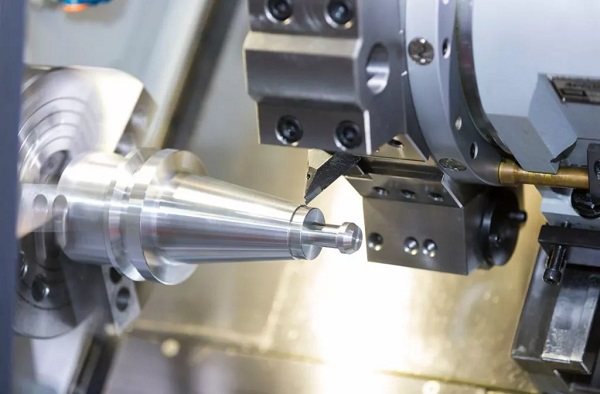
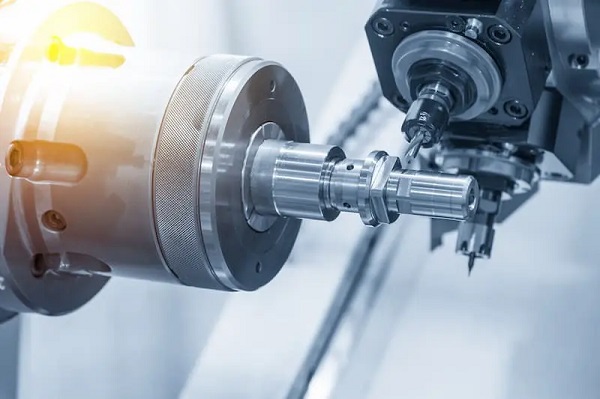
Computer Numerical Control (CNC) technology has transformed manufacturing by enabling automated, precise control of machine tools through pre-programmed computer software. When integrated with laser technology, it creates a dynamic solution for various metalworking applications.
CNC machines equipped with laser systems eliminate many limitations of conventional methods. Unlike mechanical cutting tools that wear down over time, lasers maintain consistent performance, ensuring uniform results across production runs. The automation provided by CNC programming reduces human error, while real-time adjustments allow for on-the-fly modifications without disrupting workflow. This synergy not only enhances precision but also significantly increases production speed, with some laser cutting processes completing tasks up to 50% faster than traditional methods according to industry studies.
Key Laser Applications in CNC Metalworking
Laser technology integrated with CNC systems offers a wide range of applications that cater to diverse manufacturing needs:
Laser Cutting
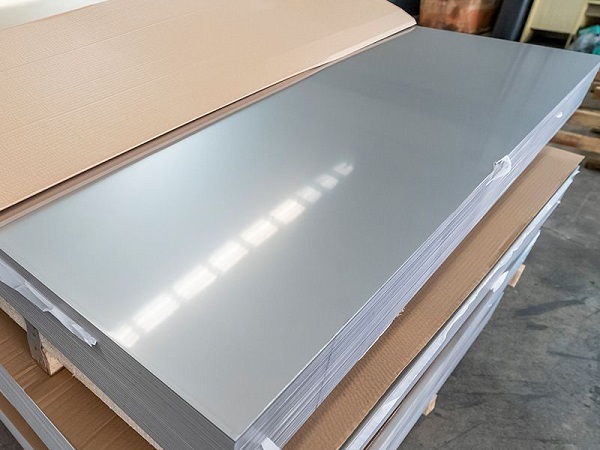
Laser cutting stands as one of the most widely used applications in CNC metal laser systems. It excels at processing sheet metal and thick metal plates alike, producing clean, burr-free edges with minimal material waste. Modern CNC laser cutters can achieve tolerances as tight as ±0.001 inches, making them ideal for aerospace and medical component manufacturing where precision is critical.
Laser Welding and Marking
Laser welding provides a superior alternative to traditional welding methods, especially for delicate or heat-sensitive components. The focused laser beam delivers concentrated heat, resulting in strong, precise welds with minimal distortion. Meanwhile, laser marking offers permanent, high-contrast identification on metal surfaces, essential for traceability in industries like automotive and electronics manufacturing.
Other Essential Applications
Additional valuable applications include laser drilling for creating micro-holes with exceptional accuracy, laser engraving for detailed surface customization, and laser cleaning for preparing metal surfaces without damaging the material—an eco-friendly alternative to chemical cleaning methods.
Advancing Manufacturing Processes with CNC Laser Systems
The integration of CNC and laser technologies has redefined modern manufacturing processes across multiple dimensions:
| Aspect | Traditional Metalworking | CNC Metal Laser Systems |
| Precision | ±0.005–0.01 inches | ±0.0005–0.001 inches |
| Material Versatility | Limited by tooling | Works with all metals, including alloys |
| Lead Time | Longer setup and production | Reduced by 30–60% |
| Waste Production | 15–20% material waste | 5–8% material waste |
| Energy Efficiency | Higher energy consumption | 20–30% lower energy use |
Precision manufacturing becomes achievable across various scales, from rapid prototyping of custom components to mass production of intricate parts. The ability to quickly switch between designs through CNC software updates makes these systems highly adaptable to custom manufacturing needs, allowing businesses to respond rapidly to market demands.
Process optimization is another significant benefit. CNC laser systems integrate seamlessly with digital design workflows, enabling CAD-to-production automation that minimizes errors and reduces setup times. This digital integration also enhances quality control by providing detailed data tracking throughout the manufacturing process.
Precision Engineering: The Core Advantage
At the heart of CNC metal laser technology lies precision engineering that meets the most stringent industry standards. These systems utilize advanced precision measurement tools and precision metrology to ensure every component adheres to exact specifications.
The ability to maintain tight tolerance levels consistently is particularly valuable in industries such as aerospace, defense, and medical device manufacturing, where component failure can have catastrophic consequences. Precision machining with laser systems ensures that even the most complex geometries are reproduced accurately across thousands of production units.
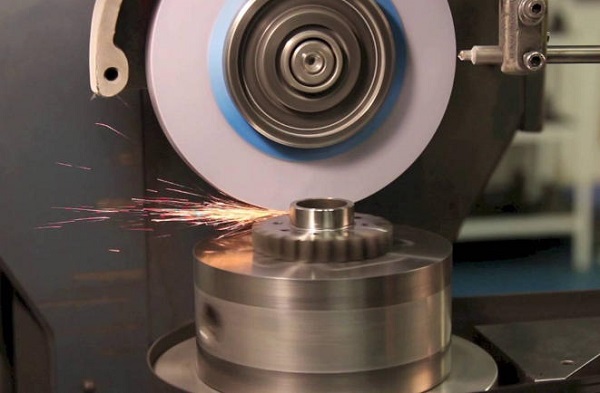
Moreover, precision finishing capabilities eliminate the need for secondary processing in many cases, reducing production time and costs. The high-quality surface finishes achieved through laser processes often meet or exceed industry standards without additional treatments.
Implementing CNC Metal Laser Technology: Considerations for Manufacturers
Adopting CNC metal laser systems requires careful consideration of several factors. First, businesses must evaluate their specific metal fabrication needs, including material types, thickness ranges, and production volumes. This assessment helps determine the appropriate laser power and machine configuration.
Investment in CNC programming expertise is equally crucial. Skilled programmers can optimize cutting paths, minimize cycle times, and maximize material utilization—factors that directly impact return on investment. Additionally, ongoing training ensures operators can leverage advanced features like automated nesting and real-time monitoring.
Moshijia Technology’s Perspective
As a leading CNC machining supplier, Moshijia Technology recognizes CNC metal laser systems as essential for modern manufacturing. These technologies deliver the precision and efficiency clients demand across industries. Our solutions integrate advanced laser applications with robust CNC programming to solve complex metalworking challenges, ensuring consistent quality and production excellence.
Frequently Asked Questions
- What materials can CNC metal laser systems process?
CNC metal laser systems handle most metals, including steel, aluminum, copper, brass, titanium, and various metal alloys, with varying capabilities based on laser power.
- How does CNC laser cutting compare to traditional mechanical cutting?
CNC laser cutting offers higher precision, faster setup times, reduced material waste, and greater design flexibility compared to traditional mechanical cutting methods.
- What tolerance levels can CNC metal laser systems achieve?
Modern CNC metal laser systems typically achieve tolerance levels between ±0.0005 inches to ±0.001 inches, depending on material type, thickness, and specific laser technology.