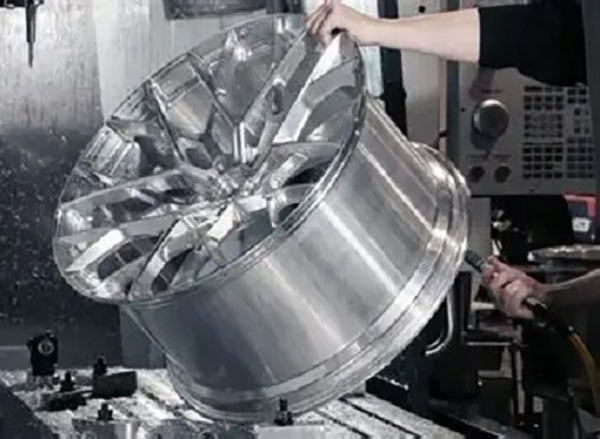
In the world of automotive manufacturing and high-performance tuning, precision isn’t just a goal—it’s a necessity. CNC machining has revolutionized how car parts are designed, prototyped, and produced, enabling levels of accuracy, repeatability, and strength that were once impossible with conventional methods. From intricate engine components to durable suspension brackets, CNC machining for automotive applications bridges the gap between digital design and physical reality. This article dives deep into the process, exploring why it’s the gold standard, which components benefit most, the best materials, and how to choose the right partner for your project. Whether you’re an engineer, a custom builder, or an enthusiast, understanding CNC machining car parts is key to unlocking superior automotive performance.
What Is CNC Machining?
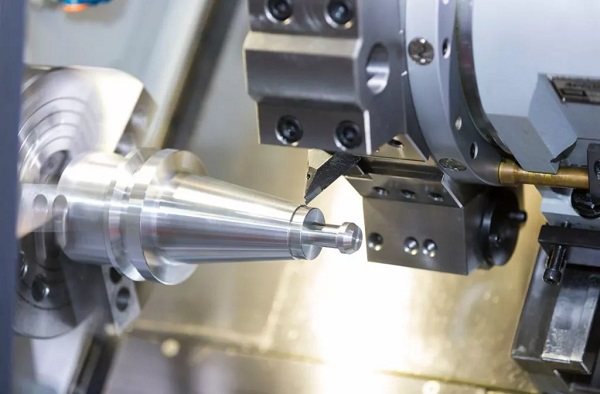
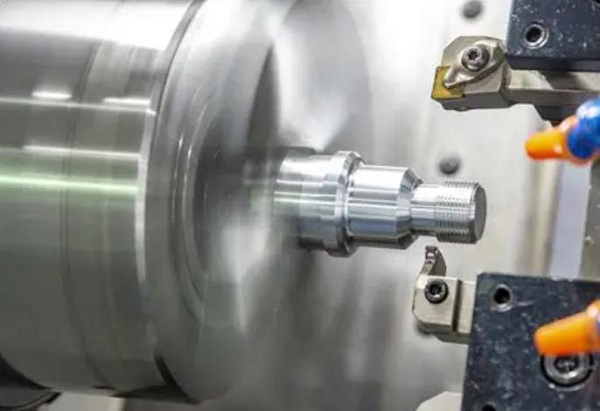
CNC (Computer Numerical Control) machining is a subtractive manufacturing process where pre-programmed computer software dictates the movement of factory tools and machinery. The process can control a range of complex machinery, from grinders and lathes to mills and routers, to carve, drill, and shape a block of solid material—known as the workpiece—into a custom-designed part.
Think of it as a highly skilled robotic sculptor. A 3D digital design (CAD model) is converted into a set of precise numerical instructions (G-code). These instructions command the machine to remove material with extreme accuracy, often to tolerances within ±0.001 inches or even tighter. This digital-to-physical workflow eliminates human error and ensures every produced part is a perfect replica of the last.
Why Choose CNC for Automotive Components?
The automotive industry, from OEM mass production to aftermarket custom shops, relies on CNC machining for several compelling reasons that align with its core demands for safety, performance, and reliability.
- Unmatched Precision and Consistency: Modern engines and drivetrains operate under extreme stresses and tight clearances. CNC-machined engine blocks, cylinder heads, and transmission housings can be produced with the exacting tolerances required for optimal compression, lubrication, and power transfer. Every part is identical, which is crucial for assembly line efficiency and quality control.
- Material Versatility: CNC machines can handle everything from lightweight aluminum and magnesium alloys to super-strong titanium and tool steels. This allows engineers to select the perfect material for each part’s function—be it weight savings for unsprung suspension components or heat resistance for brake system parts.
- Complex Geometry Made Simple: The 5-axis CNC machining process can create shapes that are simply impossible with traditional forging or casting. This enables advanced designs like intricate intake manifolds with optimized airflow channels or custom valve train components with complex curved surfaces.
Which Car Parts Are CNC-Machined?
CNC machining’s application spans the entire vehicle. Here’s a breakdown of key systems and components:
| Vehicle System | Common CNC-Machined Components | Primary Reason for CNC Use |
|---|---|---|
| Engine & Drivetrain | Cylinder heads, engine blocks, pistons, connecting rods, crankshafts, camshafts, intake manifolds, turbocharger housings | Extreme precision for sealing, lubrication, and combustion efficiency; ability to machine high-strength alloys. |
| Suspension & Chassis | Control arms, knuckles, shock towers, strut mounts, sway bar links, chassis braces | High strength-to-weight ratio; precise geometry for alignment and handling. |
| Braking System | Brake calipers, brake pedal assemblies, master cylinders, rotor hats (for two-piece rotors) | Structural integrity and safety; precise tolerances for hydraulic systems. |
| Interior & Accessories | Custom shift knobs, pedal sets, dashboard panels, billet aluminum trim | Aesthetic customization and low-volume production of durable components. |
A Real-World Case: In professional motorsports, teams often use CNC machining for rapid prototyping and final part production. For example, if a NASCAR team needs a new, more aerodynamic suspension mounting bracket overnight, they can design it digitally and have it machined from a solid block of 7075-T6 aluminum in a matter of hours, ready for track testing the next day. This agility is impossible with traditional methods.
What Materials Work Best?
Material selection is critical. The best material depends on the part’s function, required strength, weight, and environmental exposure.
- Aluminum Alloys (e.g., 6061-T6, 7075-T6): The most common choice for CNC car parts. They offer an excellent balance of strength, lightweight properties, machinability, and cost. 6061 is a great all-purpose alloy, while 7075 is significantly stronger (similar to steel) and used for high-stress components like suspension arms.
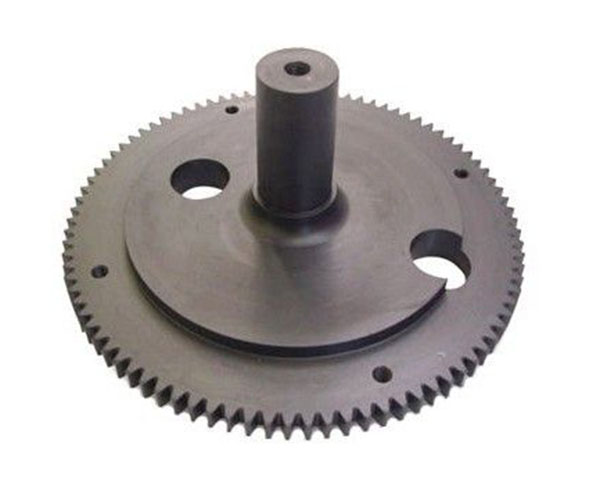
- Steel Alloys (e.g., 4140, 4340): Chosen for parts requiring superior tensile strength and wear resistance. Commonly used for gears, shafts, and high-load fasteners. The trade-off is increased weight.
- Stainless Steel (e.g., 304, 316): Provides excellent corrosion resistance, making it ideal for exposed components or parts in harsh environments, like certain exhaust fittings or marine application parts.
- Titanium (e.g., Grade 5, Ti-6Al-4V): Used in high-performance and aerospace applications where the highest strength-to-weight ratio is paramount, such as valve springs, connecting rods, or racing hardware. Its high cost and difficult machinability limit its use.
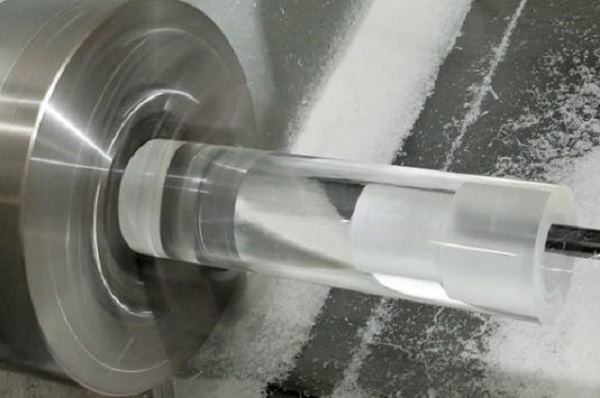
- Plastics & Composites (e.g., PEEK, Delrin): Used for lightweight, low-friction, or electrically insulating components like bushings, spacers, sensor housings, and interior trim pieces.
How Does the Process Work?
The journey of a CNC-machined automotive part is a streamlined, digital-forward workflow:
- Design & Engineering (CAD): A part is designed in 3D Computer-Aided Design (CAD) software. Engineers optimize the design for manufacturability, strength, and function.
- Programming (CAM): The CAD file is imported into Computer-Aided Manufacturing (CAM) software. Here, a programmer defines the toolpaths, cutting speeds, feed rates, and tool selection. This step generates the G-code.
- Setup: The operator secures the chosen material (workpiece) onto the CNC machine bed and loads the necessary cutting tools.
- Machining: The machine executes the program, automatically changing tools and performing operations like milling, turning, and drilling to carve the part.
- Post-Processing: The raw machined part is deburred, cleaned, and often undergoes surface finishing (e.g., anodizing for aluminum, plating for steel) for protection and appearance.
- Quality Inspection: The final part is meticulously checked using tools like Coordinate Measuring Machines (CMMs) and calipers to verify it meets all dimensional specifications.
What Are the Key Benefits?
Beyond precision, CNC machining car parts offers distinct advantages:
- Speed for Prototyping: Functional prototypes can be produced in days, allowing for rapid design iteration and testing. This accelerates the entire product development cycle.
- No Minimum Order Quantity (MOQ): Unlike casting or stamping, which require expensive molds, CNC is ideal for low-volume production and one-off custom parts without upfront tooling costs.
- Superior Material Properties: Starting from a solid billet of wrought material (like bar stock) results in parts with more consistent and often better mechanical properties compared to cast parts, which can have internal voids or inconsistencies.
What Challenges Should You Know?
While powerful, CNC machining has considerations:
- Cost at Scale: For very high-volume production runs (e.g., 50,000+ identical parts), processes like die casting or stamping become more cost-effective due to lower per-unit cost after the initial tooling investment.
- Material Waste: Being a subtractive process, it can generate significant chips and swarf from the raw billet. However, this material is often recyclable.
- Geometric Limitations: While vast, there are limits. Extremely complex internal geometries or undercuts might be impossible to machine and are better suited for additive manufacturing (3D printing).
How to Select a CNC Machining Partner?
Choosing the right manufacturer is crucial. Look for a partner that demonstrates:
- Proven Automotive Experience: Ask for case studies or examples of previous CNC machining for automotive projects.
- Advanced Equipment & Capabilities: Ensure they have multi-axis machines (3-axis, 5-axis) and in-house quality control equipment like CMMs.
- Engineering Support: A good partner will offer Design for Manufacturability (DFM) feedback to optimize your design for cost, performance, and machinability.
- Material Certification & Traceability: For critical components, you need certified materials. Your partner should provide Mill Test Reports (MTRs).
- Clear Communication and Prototyping Workflow: They should have a transparent process for quotes, revisions, and delivery.
Role of CNC Machining in Automotive Manufacturing
CNC machining is not just for prototyping or customs; it’s deeply integrated into the entire automotive ecosystem.
- Mass Production: Even in high-volume vehicle assembly, CNC is used to create the molds, dies, and fixtures used in other processes. It also produces many low-volume, high-complexity components directly.
- Aftermarket & Performance: The entire high-end aftermarket industry is built on CNC machining. Companies produce upgraded suspension components, intake systems, and engine internals that offer better performance than stock parts.
- Restoration & Classic Cars: For out-of-production parts, CNC machining is the only way to accurately reproduce obsolete components for classic car restoration, often with improved materials.
FAQ
What is the main advantage of CNC machining for car parts?
The primary advantage is the exceptional combination of precision, strength, and design freedom. It allows for the creation of complex, high-tolerance components from high-performance materials that directly improve vehicle reliability and performance.
Are CNC-machined car parts stronger than cast parts?
Generally, yes. CNC parts start from a solid billet of wrought material, which has a more uniform grain structure and fewer potential defects than cast metal. This often results in better fatigue strength and durability, especially for critical components.
How much does it cost to CNC machine a custom car part?
Cost varies dramatically based on part size, complexity, material, and quantity. A simple aluminum bracket might cost under $100 for a one-off, while a complex titanium engine component could run into thousands. Requesting a detailed quote with your CAD file is the best way to get an accurate price.
Can CNC machining be used for both prototypes and final production parts?
Absolutely. This is one of its greatest strengths. The same digital file and process are used for the first prototype and the thousandth production part, ensuring consistency and streamlining the transition from testing to final manufacture.
What file format do I need to provide for a CNC machining quote?
Most machine shops prefer 3D CAD files in STEP or IGES formats, as they contain precise solid model data. 2D drawings in PDF format are also highly valuable as they communicate critical tolerances, finishes, and notes that may not be in the 3D model.
Get Projects Quote with Moshijia Technology.
Ready to turn your automotive design into a high-precision reality? At Moshijia Technology, we specialize in CNC machining car parts for prototypes, custom builds, and low-volume production. Our team of engineers and machinists brings decades of direct automotive industry experience to your project.
Submit your CAD files today for a fast, detailed quote. We provide expert DFM feedback, use certified materials, and guarantee the quality and precision your application demands. Let’s build something extraordinary.