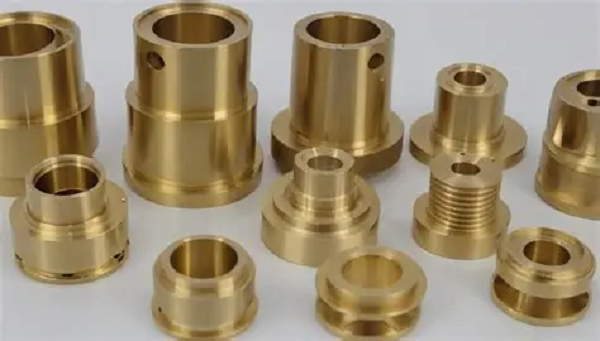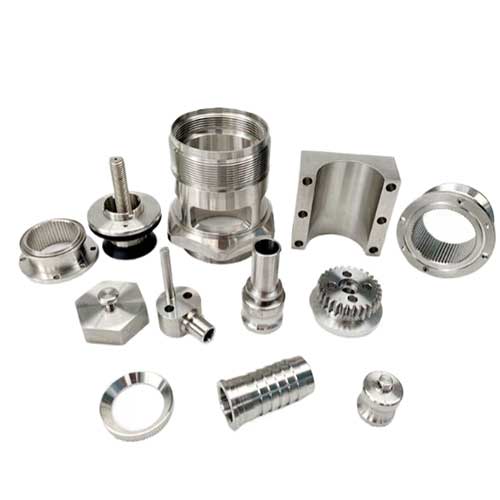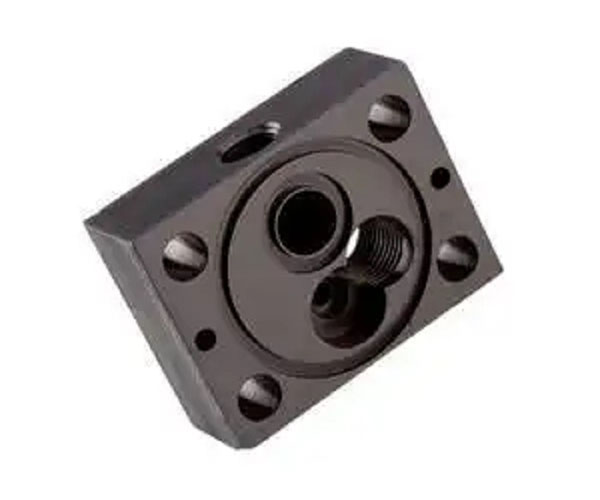
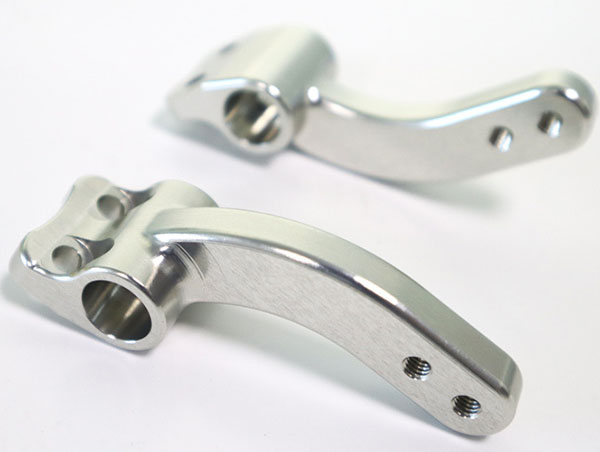
Imagine you have a brilliant new product idea. You’ve spent weeks perfecting the 3D CAD model, but there’s a gap between a digital design and a tangible part you can hold, test, and validate. This is where CNC aluminum prototyping bridges the divide. It’s a subtractive manufacturing process that uses computer-controlled machines to carve high-fidelity, functional prototypes directly from solid aluminum blocks. This guide cuts through the noise to explain why aluminum is a top choice, how the process works, and how to navigate it successfully to bring your concept to life faster and more reliably.
What Is CNC Aluminum Prototyping?
CNC aluminum prototyping is the process of creating physical, pre-production models of a part or assembly using Computer Numerical Control (CNC) machining and aluminum as the primary material. Unlike 3D printing, which adds material layer by layer, CNC machining is subtractive. It starts with a solid block of aluminum (called a billet or blank) and uses precisely controlled cutting tools to remove material, following the exact paths dictated by your CAD file. The result is a high-strength, dimensionally accurate prototype that closely mimics the properties of a final production part, making it ideal for functional testing, form and fit verification, and market presentations.
Why Choose Aluminum for Prototypes?
Aluminum isn’t chosen by accident; its material properties make it exceptionally suitable for prototyping across countless applications.
- Excellent Machinability: Aluminum alloys like 6061-T6 and 7075 are known for being “free-machining.” They cut cleanly, allow for higher feed rates, and are easier on cutting tools compared to steels, leading to faster production times and lower machining costs.
- Favorable Strength-to-Weight Ratio: Prototypes often need to be both strong and light. Aluminum provides significant strength without the heft of steel, which is critical for industries like aerospace, automotive, and consumer electronics.
- Superior Thermal and Electrical Conductivity: For prototypes involving heat sinks, enclosures for electronics, or any component managing thermal energy, aluminum’s natural conductivity is a key advantage.
- Natural Corrosion Resistance: Many aluminum alloys form a protective oxide layer, offering good resistance to corrosion, which is beneficial for prototypes exposed to various environments.
- Surface Finish Versatility: A CNC machined aluminum part provides an excellent base for a wide range of post-processing and surface finishes, from basic bead blasting to hard-anodizing, allowing prototypes to achieve both aesthetic and functional surface properties.
How Does the CNC Machining Process Work?
Understanding the workflow demystifies how your digital file becomes a physical part.
- CAD Model Preparation: It all starts with a watertight 3D CAD model (e.g., STEP or IGES file) of your design. This is the digital blueprint.
- CAM Programming: Using Computer-Aided Manufacturing (CAM) software, a machining programmer converts the CAD model into a set of instructions (G-code). This program defines the toolpaths, cutting speeds, feed rates, and tool changes.
- Machine Setup: An operator secures a solid aluminum block to the CNC machine’s bed or vice and loads the required cutting tools (end mills, drills, taps) into the tool magazine.
- Precision Machining: The CNC mill or lathe executes the programmed commands, automatically and precisely cutting away material. Common operations include milling, drilling, tapping, and boring.
- Deburring & Post-Processing: Once machining is complete, the part is removed, and sharp edges are smoothed (deburred). The chosen surface finish is then applied.
- Quality Inspection: The final aluminum prototype is inspected, often with tools like calipers, micrometers, or CMMs (Coordinate Measuring Machines), to ensure it meets all specified dimensional tolerances.
What Industries Rely on CNC Aluminum Prototypes?
The versatility of CNC aluminum prototyping makes it indispensable across sectors where strength, precision, and realism are paramount.
| Industry | Primary Use Cases for Aluminum Prototypes |
|---|---|
| Aerospace & Defense | Lightweight structural components, drone frames, sensor housings, and mounting brackets that must withstand stress and vibration. |
| Automotive & Motorsports | Engine parts, intake manifolds, brackets, suspension components, and custom automotive fittings for performance and fit testing. |
| Consumer Electronics | Enclosures for smartphones and laptops, heat sinks, connectors, and internal chassis that require precise fit, shielding, and thermal management. |
| Medical Devices | Surgical instrument prototypes, diagnostic device housings, and equipment parts that demand biocompatible surfaces (after anodizing) and sterile-grade finishes. |
| Industrial Machinery | Custom jigs, fixtures, and tooling, robotic end-effectors, and high-wear components used to test in real-world operating conditions. |
What Are the Key Benefits Over Other Methods?
Compared to methods like 3D printing or fabricating prototypes from plastics, CNC machining aluminum offers distinct advantages:
- Material Authenticity: You are testing with a real engineering-grade material, not a simulation. This yields reliable data on strength, thermal behavior, and weight.
- Unmatched Precision and Repeatability: CNC machines achieve extremely tight tolerances (often within ±0.001 inches or 0.025mm), ensuring parts are dimensionally perfect and interchangeable.
- Superior Surface Quality: Machined aluminum parts start with a smoother surface than most 3D-printed parts. They can be finished to a near-mirror polish or given textured, painted, or coated surfaces identical to production intent.
- Speed for Low-Volume: For producing 1 to 100 prototype units, CNC machining is often faster than setting up injection molding tooling, making it ideal for rapid prototyping and low-volume production runs.
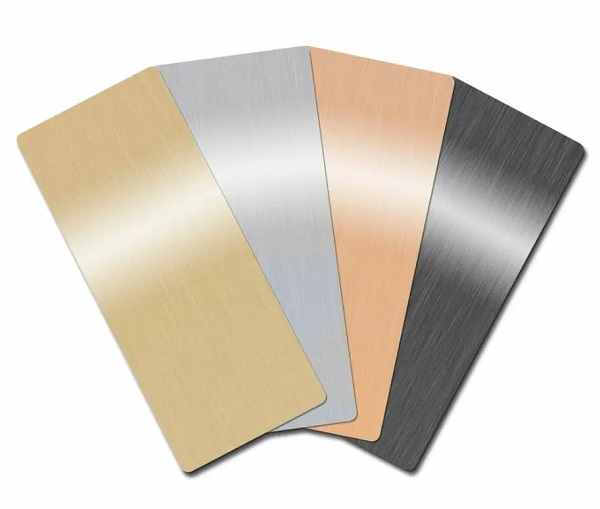
What Surface Finishes Are Available for Aluminum Prototypes?
The finish can dramatically alter the look, feel, and function of your prototype.
- As-Machined: The raw finish off the machine, with visible tool marks. The most basic and cost-effective option.
- Bead Blasting: A uniform matte, satin texture achieved by blasting the surface with fine glass beads. Excellent for a clean, non-reflective appearance.
- Brushing/Polishing: Mechanical processes that create a directional satin grain (brushing) or a reflective, mirror-like shine (polishing).
- Anodizing (Type II & III): An electrochemical process that grows a hard, protective oxide layer. Type II (decorative) offers corrosion resistance and color dyeing. Type III (hard coat) provides exceptional wear and abrasion resistance and is thicker.
- Powder Coating: A dry powder is electrostatically applied and cured into a tough, durable, and colorful polymer coating. Great for aesthetics and environmental protection.
How Long Does CNC Aluminum Prototype Production Take?
Lead time is a critical factor and typically breaks down as follows:
- Quoting & DFM Analysis: 1-2 days. A good provider will offer a Design for Manufacturability (DFM) review to optimize your design for cost and speed.
- CAM Programming & Setup: 1-2 days. This is the engineering overhead before any metal is cut.
- Machining Time: Hours to 2-3 days. Depends entirely on part complexity, size, and quantity.
- Post-Processing & Finishing: 1-3 days. Simple bead blasting is quick; anodizing or powder coating adds more time.
- Shipping: 1-5 days, depending on location and service.
A realistic total lead time for a standard-complexity prototype is often 5-10 business days. Communicating your deadline is crucial, as shops can often expedite processes.
What Does a CNC Aluminum Prototype Cost?
Cost is not a single number but a formula driven by several variables:
- Part Complexity: More complex geometries require longer machining time, more tool changes, and potentially specialized tools.
- Material Cost: While aluminum is cost-effective, specific aerospace-grade alloys (e.g., 7075) cost more than standard 6061.
- Tolerances: Holding extremely tight tolerances (±0.0005″ vs. ±0.005″) requires slower machining and more inspection, increasing cost.
- Surface Finishes: A simple bead blast is low-cost; hard anodizing or multi-step polishing adds significant expense.
- Quantity: While unit cost is high for one piece, it decreases with quantity due to amortized setup and programming costs.
A small, simple bracket might cost $100-$300 per unit, while a complex, tight-tolerance engine component could run $1,000+. Always request a detailed quote.
How to Select the Right CNC Service Provider?
Choosing a partner is as important as the design itself. Look for:
- Technical Expertise & DFM Feedback: They should proactively offer design optimization tips to make your part stronger, cheaper, and faster to produce.
- Machine Capability & Capacity: Do they have the right size and type of machines (3-axis, 5-axis) for your part’s requirements?
- Material and Finish Inventory: Quick access to common aluminum stock and in-house finishing services streamline the process.
- Quality Assurance Process: Ask about their inspection equipment and quality certifications (e.g., ISO 9001).
- Clear Communication & Project Management: You want a single point of contact who provides updates and manages the timeline.
Your Process Overview: From Idea to Hand
- Finalize Your Design: Ensure your 3D CAD model is finalized and error-free.
- Request a Quote & DFM: Submit your files to a reputable provider like Moshijia Technology for a quote and a free DFM analysis.
- Review & Approve: Examine the quote, proposed machining strategy, and any suggested design tweaks for cost reduction.
- Production Kick-off: Upon approval, the shop begins CAM programming, setup, and machining.
- Finishing & Inspection: Your parts are finished as specified and undergo quality inspection.
- Delivery: Your high-precision aluminum prototypes are shipped directly to you.
FAQ: CNC Aluminum Prototyping
What is the best aluminum alloy for prototyping?
6061-T6 is the most common and versatile choice, offering a great balance of strength, machinability, weldability, and cost. For high-strength applications where weight is critical, 7075-T6 is superior, though it’s more expensive and slightly less corrosion-resistant.
How accurate can a CNC aluminum prototype be?
Standard tolerances for CNC machined prototypes are typically around ±0.005 inches (0.127 mm). With careful machining and process control, tolerances as tight as ±0.001 inches (0.025 mm) or even finer are achievable for critical features, though this increases cost and lead time.
Can you machine prototypes from aluminum billet that match production parts?
Absolutely. This is one of the core strengths of CNC aluminum prototyping. Since you are using the same base material (aluminum) and a precision machining process, your prototype will have nearly identical mechanical properties, weight, and fit as a future production part made via CNC machining. It is the most authentic prototype for machined production.
What are the main design guidelines (DFM) for CNC aluminum parts?
Key guidelines include: Add fillets to internal corners (cutting tools are round), avoid excessively deep pockets (which require long, fragile tools), standardize hole sizes to minimize tool changes, design walls with sufficient thickness (typically > 0.8mm/0.031″ for aluminum) to prevent distortion, and consider tool access to ensure all features can be reached by a cutting tool.
Get a Quote for Your CNC Aluminum Prototype
Ready to transform your CAD design into a high-quality, functional aluminum prototype? At Moshijia Technology, we combine state-of-the-art CNC machining centers with deep engineering expertise to deliver precision parts that meet your exact specifications and timeline.
Our process includes a complimentary DFM analysis to ensure your design is optimized for manufacturability and cost-effectiveness. We stock a wide range of aluminum alloys and offer a full suite of professional surface finishing services in-house.
Submit your 3D CAD files today for a fast, transparent quote. Let’s build your idea.
Get projects quote with Moshijia Technology.