CNC steel parts are the backbone of modern manufacturing, offering unmatched strength, versatility, and precision for demanding applications. From aerospace components to medical devices, the ability to machine steel with computer-controlled accuracy has revolutionized production. This guide will walk you through everything you need to know—from how the process works and the types of steel available, to selecting the right grade for your project and understanding the cost-benefit analysis.
What Are CNC Steel Parts?
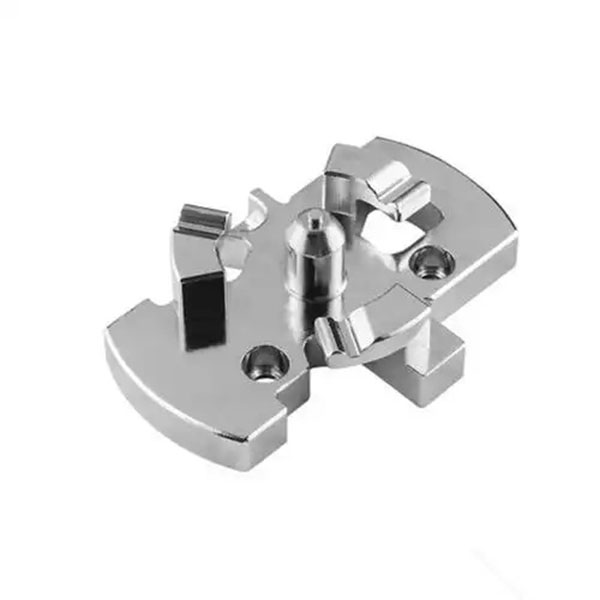
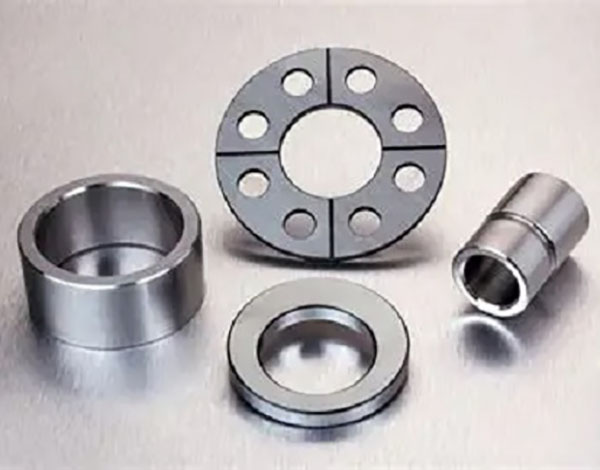
CNC steel parts are components manufactured from steel stock using Computer Numerical Control (CNC) machining. This subtractive manufacturing process uses pre-programmed computer software to direct the movement of high-speed cutting tools, which precisely remove material from a solid block (or bar) of steel. The result is a custom, high-tolerance part that exactly matches the digital design. These parts are fundamental in applications where material strength, dimensional accuracy, and long-term durability are non-negotiable. Unlike cast or forged parts, CNC machining allows for complex geometries, tight tolerances, and rapid prototyping directly from a CAD model.
Why Choose Steel for CNC Machining?
Steel remains a top choice for CNC machining due to its exceptional mechanical properties and economic viability. Its primary advantages are high tensile strength, excellent wear resistance, and good machinability across many grades. Compared to aluminum, steel offers superior strength for structural components. Versus plastics, it provides far greater thermal stability and load-bearing capacity. While not as lightweight as some alternatives, steel’s superior durability and cost-effectiveness for high-volume production make it ideal for parts that undergo stress, friction, or must last for decades. For example, in a real-world case, a heavy machinery manufacturer switched from cast iron to CNC-machined 4140 steel for a critical hydraulic valve body, resulting in a 30% weight reduction while maintaining the required pressure rating and significantly improving fatigue life.
How Does CNC Machining Work for Steel?
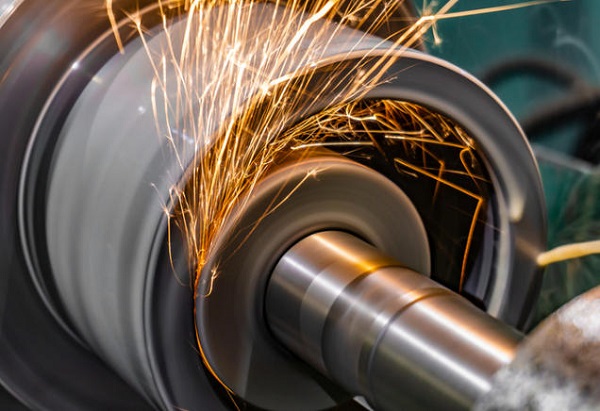
The process begins with a 3D CAD model, which is translated into machine instructions (G-code). A solid block of steel is secured in the CNC mill or lathe. The machine then uses a variety of cutting tools—end mills, drills, and taps—to selectively remove material. For steel, this requires robust machines, appropriate cutting speeds and feeds, and often coolant or lubricant to manage heat and extend tool life. The process typically involves multiple operations:
- Milling: For complex 3D shapes, pockets, and slots.
- Turning: For cylindrical features, performed on a lathe.
- Drilling & Tapping: For creating holes and threads.
- Finishing: Additional processes to achieve the desired surface texture.
A key principle in machining harder steels is the careful balance between removing material efficiently and preserving tool integrity. An experienced machinist might use a high-feed milling strategy for 304 stainless steel to maintain a constant tool load, thereby increasing metal removal rates and preventing work hardening.
What Types of Steel Are Used in CNC Machining?
Not all steel is the same. The right choice depends on the required strength, corrosion resistance, machinability, and cost.
| Steel Type | Common Grades | Key Properties | Best For Applications |
|---|---|---|---|
| Carbon Steel | 1018, 1045, 4140 | Good strength, toughness, excellent machinability. 4140 is a versatile, heat-treatable “chromoly” steel. | Gears, shafts, bolts, fixtures, and non-corrosive structural parts. |
| Stainless Steel | 304, 316, 303, 17-4 PH | Excellent corrosion resistance, hygienic, varying strength. 303 offers best machinability; 17-4 PH is precipitation hardening. | Food processing equipment, medical implants, marine hardware, and aerospace fittings. |
| Alloy Steel | 4340, 4140, 8620 | High strength, toughness, and response to heat treatment. | High-stress components like landing gear, power transmission shafts, and heavy-duty tools. |
| Tool Steel | D2, A2, O1 | Extreme hardness, wear resistance, and ability to hold an edge. | Dies, molds, cutting tools, and punching equipment. |
What Industries Rely on CNC Steel Parts?
The demand for precision CNC steel parts spans virtually every sector of heavy industry and advanced technology. In aerospace and defense, they are used for landing gear components, engine mounts, and missile guidance parts, where failure is not an option. The automotive industry uses them for transmission systems, turbocharger housings, and custom performance parts. Medical device manufacturers rely on biocompatible stainless steels (like 316L) for surgical instruments and implantable devices. Energy and oil & gas sectors use them in valve bodies, drilling equipment, and turbine components that withstand high pressure and corrosive environments. An emerging trend is in robotics and automation, where high-strength, lightweight alloy steel parts are essential for durable robotic arms and precision actuators.
What Are the Key Benefits of CNC Machining Steel?
- Precision and Repeatability: CNC machines can consistently hold tolerances within ±0.001 inches or tighter.
- Material Strength and Durability: Steel parts can bear high loads and resist impact and fatigue.
- Design Flexibility: Complex internal features, intricate contours, and precise threads are all achievable.
- Scalability: Efficient for both one-off prototypes and medium-to-high volume production runs.
- Excellent Surface Finish Potential: With the right parameters and post-processing, steel can achieve very fine surface finishes.
What Surface Finishes Are Available for Steel Parts?
The as-machined surface is just the starting point. Finishes enhance appearance, function, and longevity.
- As-Machined: The standard finish off the machine, with visible tool marks.
- Bead Blasting: A matte, uniform texture that hides minor imperfections and provides a grip-friendly surface.
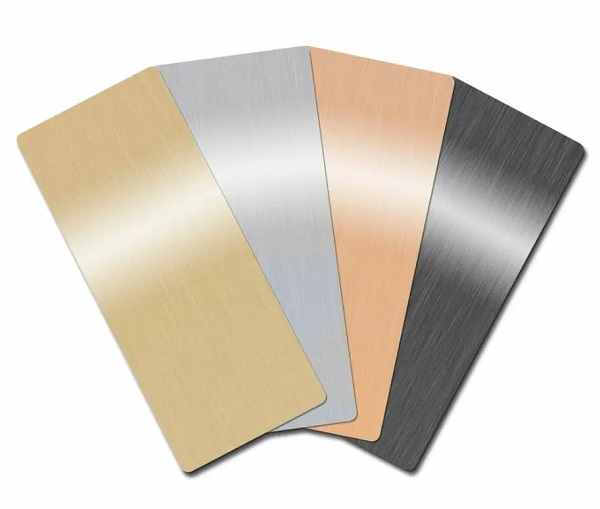
- Grinding & Polishing: Achieves a smooth, reflective surface, critical for sanitary or low-friction applications.
- Plating & Coating: Zinc plating (for corrosion resistance), nickel plating (for hardness and wear), or passivation for stainless steel (to enhance the oxide layer).
- Heat Treating & Case Hardening: Not a surface finish per se, but a critical thermal process (like carburizing or nitriding) that increases surface hardness while retaining a tough core.
What Tolerances Can Be Achieved with CNC Steel?
Tolerance capability depends on part size, geometry, steel grade, and machine quality. General standards are:
- Standard Machining Tolerances: Typically ±0.005 inches (±0.13 mm).
- Precision Machining Tolerances: Can reach ±0.001 inches (±0.025 mm) or better for critical dimensions.
- High-Precision / Fine Machining: For specialist applications, tolerances of ±0.0005 inches (±0.0127 mm) are possible with advanced CNC equipment and strict environmental control.
According to industry benchmarks, achieving these tight tolerances in harder tool steels can increase machining time and cost by 20-50% compared to holding standard tolerances on mild steel, due to slower feeds, specialized tooling, and required inspection time.
How to Select the Right Steel Grade for Your Project?
Choosing the optimal steel is a systematic decision. Follow this workflow:
- Define Functional Requirements: What are the needed tensile strength, hardness (Rockwell C), and impact resistance? Will the part face fatigue cycling?
- Assess Environmental Factors: Is corrosion resistance needed? What are the operating temperature ranges? Exposure to chemicals?
- Evaluate Manufacturing Needs: How complex is the geometry? Does the steel’s machinability rating (e.g., 303 SS vs. 304 SS) affect cost and lead time? Will the part require welding or heat treatment after machining?
- Consider Cost & Availability: Common grades like 1018 or 304 are less expensive and readily available. Exotic alloys or tool steels cost more for material and machining.
For instance, if you need a high-strength, corrosion-resistant shaft for a marine pump, 17-4 PH stainless steel might be selected over standard 316 for its higher strength, despite its higher cost and slightly more demanding machining requirements.
How Does the Cost of CNC Steel Parts Compare to Other Metals?
Steel offers a compelling value proposition. While the raw material cost per pound is generally lower than aluminum or titanium, its density means you have more mass for the same volume. The key cost drivers are machining time and tool wear. Harder steels (e.g., tool steels) machine slower and wear tools faster than aluminum, increasing cost. However, for a given strength requirement, a smaller steel part can often perform the same job as a larger aluminum one, potentially balancing the cost. For a simple bracket requiring high strength, carbon steel is often the most cost-effective. For a part where weight is critical (like an aircraft component), aluminum’s higher cost per pound may be justified by savings in fuel and performance.
Conclusion
CNC steel parts deliver an unmatched combination of durability, precision, and versatility for the most challenging engineering applications. Success hinges on understanding the nuances of different steel alloys, the capabilities and limits of the CNC machining process, and making informed selections based on your project’s specific mechanical, environmental, and economic requirements. By partnering with a knowledgeable manufacturer, you can leverage the full potential of steel to create reliable, high-performance components.
FAQ
What is the most cost-effective steel for CNC machining?
For general-purpose parts without stringent corrosion needs, low-carbon steels like 1018 or 1045 are highly cost-effective due to their good machinability, strength, and low material cost.
Can stainless steel be machined as easily as carbon steel?
No. While certain grades like 303 stainless steel are formulated for better machinability, most stainless steels (like 304) are tougher, work-harden more quickly, and are more abrasive, requiring slower speeds, specialized tooling, and expert techniques compared to carbon steel.
What is the typical lead time for custom CNC steel parts?
For standard prototypes or small batches, lead times can range from 1 to 3 weeks, depending on complexity. High-volume production or parts requiring extensive post-processing (like heat treating) will take longer. Always confirm with your manufacturer.
How do I ensure my steel parts are corrosion-resistant?
Material choice is the first step (e.g., selecting 316 stainless steel over 1018 carbon steel). Post-machining surface treatments like passivation for stainless steel or zinc plating/powder coating for carbon steel are essential for creating a protective barrier.
What file format do I need to provide for a CNC steel part quote?
A 3D CAD model in STEP or IGES format is ideal, as it contains precise geometry data. A 2D drawing in PDF format with critical dimensions and tolerances is also highly recommended to clarify design intent.
Get projects quote with Moshijia Technology.
Ready to bring your robust and precise steel components to life? At Moshijia Technology, we combine state-of-the-art CNC equipment with deep material expertise to deliver high-quality CNC steel parts on time and to specification. Whether you need a functional prototype or a full production run, our engineering team is here to optimize your design for manufacturability and performance.
Submit your CAD files and requirements today for a detailed, competitive quote. Let’s build something strong together.