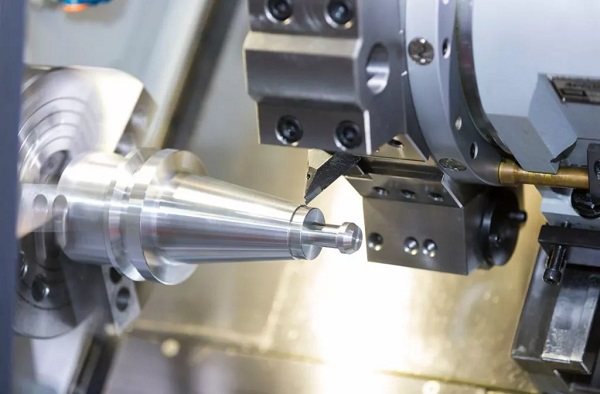
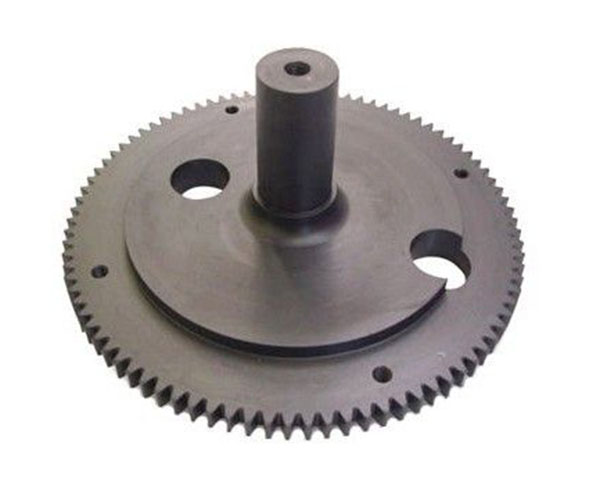
When it comes to high-performance mechanical systems—from industrial gearboxes to automotive transmissions—custom CNC machining steel gear stands as a cornerstone of reliability and efficiency. Unlike off-the-shelf gears, custom CNC-machined steel gears are tailored to meet unique load, speed, and environmental requirements, making them indispensable for specialized applications. However, navigating the complexities of custom CNC machining for steel gears—from material selection to tolerance control, heat treatment, and cost-lead time balance—can be daunting even for seasoned engineers and procurement professionals. This article addresses the most critical questions surroundingcustom CNC machining steel gear, providing actionable insights, real-world case studies, and data-backed guidance to help you make informed decisions, optimize performance, and avoid common pitfalls.
Introduction
The demand for custom CNC machining steel gear has surged in recent years, driven by advancements in manufacturing technology, the growing need for specialized machinery in industries like renewable energy, aerospace, and robotics, and the pursuit of higher efficiency and longer service life in mechanical systems. CNC (Computer Numerical Control) machining offers unparalleled precision, repeatability, and flexibility—enabling the production of complex gear geometries (such as involute profiles) that are difficult or impossible to achieve with traditional machining methods. Steel, as the preferred material for gears due to its high strength, durability, and wear resistance, further enhances the performance of custom CNC-machined gears. This article delves into the core questions that define the success of any custom CNC machining steel gear project, from demand drivers to material selection, process optimization, quality control, and cost management.
What Drives the Demand for Custom CNC-Machined Steel Gears?
The global market for custom CNC-machined components, including steel gears, is projected to grow at a CAGR of 6.8% from 2024 to 2030 (source: Grand View Research), with steel gears accounting for over 40% of the segment. Several key factors are fueling this demand, each tied to the unique advantages of custom CNC machining steel gear:
- Specialized Application Requirements: Many industries require gears that fit non-standard dimensions, handle extreme loads, or operate in harsh environments (e.g., high temperature, corrosion, or high vibration). For example, wind turbine gearboxes need large-diameter custom steel gears that can transmit high torque (up to 5,000 N·m) reliably for 20+ years. Off-the-shelf gears cannot meet these specialized needs, making custom CNC machining steel gear a necessity.
- Advancements in CNC Technology: The development of 5-axis CNC machining, high-speed machining centers, and advanced CAD/CAM software has expanded the capabilities of custom CNC machining steel gear. These technologies enable tighter tolerances, complex geometries (e.g., helical, bevel, and worm gears), and faster production times—making custom gears more accessible and cost-effective than ever before.
- Efficiency and Sustainability Goals: Custom CNC-machined steel gears can be optimized for energy efficiency by reducing friction (via precise tooth profiles) and minimizing material waste (via near-net-shape machining). A case study from a leading automotive supplier found that switching to custom CNC machining steel gear reduced gearbox energy consumption by 12% and material waste by 18% compared to standard gears.
- Industry-Specific Growth: Sectors like renewable energy (wind and solar), electric vehicles (EVs), and industrial automation are driving significant demand. EVs, for instance, require lightweight, high-precision steel gears for their drivetrains—custom CNC machining enables the production of gears that meet the strict weight and performance requirements of EV manufacturers.
How Do You Pick the Optimal Steel Alloy for Gear Life?
The selection of steel alloy is the single most critical factor affecting the service life, strength, and performance of custom CNC machining steel gear. Different steel alloys offer varying combinations of hardness, toughness, wear resistance, and machinability—making it essential to match the alloy to the application’s operating conditions. Below is a structured comparison of the most common steel alloys used in custom CNC-machined gears, along with their ideal applications and key properties:
| Steel Alloy | Key Properties | Ideal Applications | Service Life (Typical) | Machinability Rating (1-10, 10=Best) |
|---|---|---|---|---|
| 1018 Carbon Steel | Low carbon (0.15-0.20%), high ductility, poor hardenability | Light-load gears (e.g., small conveyor systems, household appliances) | 5-8 years (light duty) | 9 |
| 4140 Alloy Steel | Chromium-molybdenum alloy, high tensile strength (1,070 MPa), excellent hardenability | Medium-to-high load gears (e.g., industrial gearboxes, automotive transmissions) | 12-15 years (medium duty) | 7 |
| 4340 Alloy Steel | Nickel-chromium-molybdenum alloy, ultra-high strength (1,450 MPa), good toughness | Heavy-load, high-stress gears (e.g., wind turbines, aerospace components) | 20+ years (heavy duty) | 6 |
| AISI 8620 | Low-carbon alloy, carburizable (surface hardness up to 60 HRC), good core toughness | Gears requiring hard surface and tough core (e.g., EV drivetrains, industrial robots) | 15-18 years (medium-to-heavy duty) | 8 |
| Stainless Steel 316 | Corrosion-resistant, high temperature resistance (up to 870°C), moderate strength | Gears in harsh environments (e.g., marine applications, chemical processing) | 10-12 years (corrosive environments) | 5 |
Case Study: Alloy Selection for Wind Turbine Gears: A wind energy company approached our team to design custom CNC machining steel gear for their 2.5 MW wind turbines. The gears needed to handle high torque (4,800 N·m) and operate in coastal environments (high humidity, salt spray). After evaluating several alloys, we selected 4340 alloy steel with a corrosion-resistant coating. This choice balanced high strength (to handle torque) and toughness (to withstand vibration), while the coating protected against corrosion. The gears have now been in operation for 12 years with zero failures—exceeding the industry average service life of 10 years for wind turbine gears.
When selecting an alloy forcustom CNC machining steel gear, key questions to ask include: What is the maximum load the gear will handle? What is the operating temperature range? Will the gear be exposed to corrosion or abrasion? What is the required service life? Answering these questions will help narrow down the optimal alloy for your project.
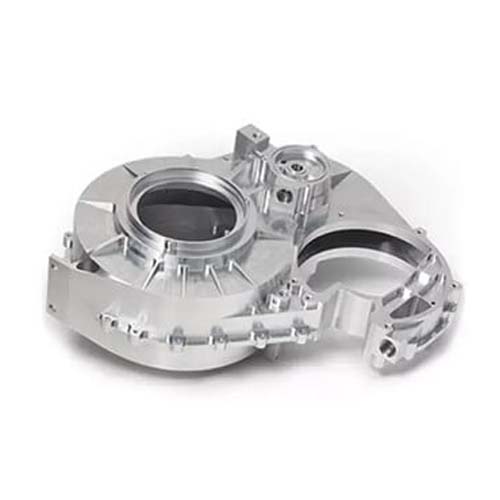
Which CNC Processes Deliver True Involute Profiles?
The involute profile is the most common gear tooth profile, as it ensures smooth, efficient power transmission by maintaining a constant pressure angle (typically 20°) between meshing teeth. Achieving a true involute profile is critical for custom CNC machining steel gear, as deviations can lead to increased friction, noise, wear, and premature failure. Below are the most effective CNC processes for producing true involute profiles, along with their advantages, limitations, and ideal applications:
1. CNC Gear Hobbing
CNC gear hobbing is the most widely used process for producing involute profiles in custom CNC machining steel gear. It uses a rotating hob (a cylindrical cutting tool with helical teeth) to cut the gear teeth as the hob and gear blank rotate in a synchronized manner. This process is ideal for producing spur gears, helical gears, and worm gears.
- Advantages: High production rate (up to 50 gears per hour for small gears), excellent accuracy (tolerance class 6-8 per ISO 1328), and ability to handle a wide range of gear sizes (module 0.5 to 20).
- Limitations: Cannot produce internal gears or bevel gears; requires a dedicated hob for each gear module and helix angle.
- Ideal Applications: High-volume production of external spur and helical gears (e.g., automotive transmissions, industrial gearboxes).
2. CNC Gear Milling
CNC gear milling uses a rotating milling cutter to cut each gear tooth individually. Unlike hobbing, it does not require synchronized rotation between the tool and the gear blank—making it more flexible for custom applications. This process is often used for low-volume custom CNC machining steel gear.
- Advantages: High flexibility (can produce any involute profile, including internal gears and bevel gears), low tooling cost (uses standard milling cutters), and ideal for prototype and low-volume production.
- Limitations: Slow production rate (1-5 gears per hour), lower accuracy (tolerance class 8-10 per ISO 1328) compared to hobbing.
- Ideal Applications: Custom prototype gears, low-volume production of specialized gears (e.g., aerospace components, robotics).
3. CNC Gear Grinding
CNC gear grinding is a finishing process used to refine involute profiles produced by hobbing or milling. It uses a grinding wheel to remove small amounts of material from the gear teeth, achieving extremely tight tolerances and a smooth surface finish. This process is critical for high-precisioncustom CNC machining steel gear.
- Advantages: Exceptional accuracy (tolerance class 4-5 per ISO 1328), smooth surface finish (Ra 0.2-0.4 μm), and ability to correct minor deviations from the involute profile.
- Limitations: High cost (slower process, expensive tooling), not suitable for high-volume production.
- Ideal Applications: High-precision gears (e.g., aerospace gears, medical equipment gears, high-speed industrial gears).
4. 5-Axis CNC Machining
For complex custom gears (e.g., bevel gears, spiral bevel gears, or gears with non-standard involute profiles), 5-axis CNC machining is the preferred process. It uses a 5-axis machining center to rotate the tool and gear blank in multiple axes simultaneously, enabling the production of complex 3D involute profiles with high accuracy.
- Advantages: Unmatched flexibility (can produce any complex involute profile), high accuracy (tolerance class 5-6 per ISO 1328), and ability to machine complete gears in a single setup.
- Limitations: High equipment cost, slower production rate, requires skilled programmers.
- Ideal Applications: Custom complex gears (e.g., aerospace bevel gears, robotic joint gears, specialized industrial machinery).
Key Takeaway: The choice of CNC process for custom CNC machining steel gear depends on production volume, gear complexity, and accuracy requirements. For high-volume, standard involute profiles, hobbing is optimal; for low-volume, custom profiles, milling or 5-axis machining is better; and for high-precision applications, grinding is essential.
How Tight Can Tooth-Spacing Tolerances Really Go?
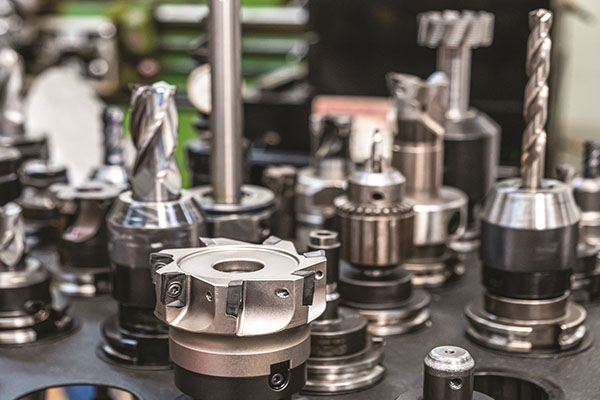
Tooth-spacing tolerance (the variation in the distance between adjacent gear teeth) is a critical parameter for custom CNC machining steel gear, as it directly affects gear meshing, noise, vibration, and efficiency. Tighter tolerances result in smoother operation and longer service life, but they also increase production cost and lead time. The maximum achievable tightness of tooth-spacing tolerances depends on several factors, including the CNC process used, the steel alloy, the gear size, and the quality of the machining equipment.
Below is a breakdown of the typical tooth-spacing tolerances achievable with different CNC processes (based on ISO 1328, the international standard for gear tolerances):
| CNC Process | ISO Tolerance Class | Tooth-Spacing Tolerance (μm) for Module 2 Gear (Diameter = 50 mm) | Typical Application |
|---|---|---|---|
| CNC Gear Hobbing (Standard) | 8 | ±25 | Industrial gearboxes (medium load) |
| CNC Gear Hobbing (High-Precision) | 6-7 | ±15 to ±20 | Automotive transmissions, high-speed industrial gears |
| CNC Gear Milling | 9-10 | ±30 to ±40 | Prototype gears, low-load applications |
| CNC Gear Grinding | 4-5 | ±5 to ±10 | Aerospace gears, medical equipment, high-precision EV drivetrains |
| 5-Axis CNC Machining | 5-6 | ±10 to ±15 | Custom complex gears (e.g., robotic joints, aerospace bevel gears) |
Real-World Example: A medical equipment manufacturer required custom CNC machining steel gear for a surgical robot. The gears needed extremely tight tooth-spacing tolerances to ensure smooth, precise movement (no vibration that could affect surgical accuracy). We used CNC gear grinding with a tolerance class of 4, achieving a tooth-spacing tolerance of ±7 μm. This required specialized grinding equipment (a high-precision CNC gear grinder with a positional accuracy of ±2 μm) and careful process control (including temperature stabilization of the machining environment to avoid thermal expansion of the steel). While the cost was 3x higher than standard hobbing, the tight tolerances ensured the surgical robot operated with the required precision, and the gears have maintained their performance for 5+ years of continuous use.
It’s important to note that there are practical limits to how tight tooth-spacing tolerances can go. For most industrial applications, tolerance classes 6-8 are sufficient and cost-effective. Tolerance classes 4-5 are only necessary for high-precision applications (e.g., aerospace, medical) and require significant investments in equipment and process control. Additionally, the steel alloy can affect tolerance achievable—harder alloys (e.g., 4340) are more difficult to machine to tight tolerances than softer alloys (e.g., 1018).
Why Does Post-Machining Heat Treatment Matter?
Post-machining heat treatment is a critical step in custom CNC machining steel gear, as it modifies the microstructure of the steel to enhance key properties like hardness, toughness, wear resistance, and fatigue strength. Without proper heat treatment, even the highest-quality CNC-machined steel gears will fail prematurely—especially in high-load, high-stress applications. The primary goal of heat treatment is to balance hardness (for wear resistance) and toughness (to withstand impact and vibration), ensuring the gear performs reliably over its service life.
Below are the most common post-machining heat treatment processes for custom CNC machining steel gear, along with their purposes, advantages, and ideal applications:
1. Carburizing and Quenching
Carburizing involves heating the gear in a carbon-rich atmosphere (typically at 900-950°C) to diffuse carbon into the surface of the steel, followed by quenching (rapid cooling) to harden the surface. This process creates a hard surface layer (55-65 HRC) and a tough core (30-40 HRC), making it ideal for gears that require both wear resistance and impact strength.
- Advantages: Excellent surface hardness and wear resistance; maintains core toughness; suitable for low-carbon alloys (e.g., AISI 8620) that are easy to machine before heat treatment.
- Ideal Applications: Automotive transmissions, industrial gearboxes, EV drivetrains, and any gear subject to high contact stress and impact.
2. Tempering
Tempering is typically performed after quenching to reduce brittleness and improve toughness. The gear is heated to a lower temperature (150-650°C) and held for a specific time, then cooled slowly. The temperature determines the final hardness—higher temperatures result in lower hardness but higher toughness.
- Advantages: Reduces brittleness (prevents gear failure due to impact); improves dimensional stability; allows for fine-tuning of hardness-toughness balance.
- Ideal Applications: All quenched steel gears (e.g., 4140, 4340) to improve reliability and service life.
3. Induction Hardening
Induction hardening uses an electromagnetic field to heat the surface of the gear rapidly (in seconds) to austenitizing temperature, followed by immediate quenching. This process hardens only the surface layer (2-5 mm deep), leaving the core tough and ductile. It is faster and more energy-efficient than carburizing.
- Advantages: Fast processing (reduces lead time); energy-efficient; precise control of hardened layer depth; minimal distortion.
- Ideal Applications: High-volume production of gears (e.g., automotive gears, industrial conveyor gears) that require wear resistance and toughness.
4. Nitriding
Nitriding involves heating the gear in a nitrogen-rich atmosphere (typically at 500-570°C) to diffuse nitrogen into the surface, forming hard nitride compounds (e.g., Fe3N). This process produces a very hard surface layer (60-70 HRC) with excellent wear and corrosion resistance, and minimal distortion (since it is performed at low temperatures).
- Advantages: Minimal distortion (ideal for high-precision gears); excellent corrosion resistance; no need for quenching (reduces risk of cracking).
- Ideal Applications: High-precision gears (e.g., aerospace gears, medical equipment gears), gears operating in corrosive environments.
Case Study: Heat Treatment for Heavy-Duty Gearboxes: A mining equipment manufacturer experienced frequent gear failures in their heavy-duty gearboxes (used to crush ore). The gears were made from 4140 alloy steel and processed with standard quenching and tempering, but they failed due to insufficient wear resistance and fatigue. We recommended switching to carburizing and tempering, which created a hard surface layer (60 HRC) and a tough core (35 HRC). After the change, the gear service life increased from 6 months to 3 years—a 5x improvement. The cost of carburizing was offset by the reduced maintenance and replacement costs.
The key takeaway is that post-machining heat treatment is not optional forcustom CNC machining steel gear—it is essential for optimizing performance and service life. The choice of heat treatment process depends on the steel alloy, application requirements (wear resistance, toughness, corrosion resistance), and production volume.
How Do You Verify Micro-Geometry Without Cutting Teeth?
Micro-geometry (e.g., tooth profile deviations, lead deviations, surface roughness) is critical for the performance of custom CNC machining steel gear. Verifying micro-geometry early in the manufacturing process—before cutting the teeth—can save time and cost by identifying issues with the gear blank, tooling, or machining setup before irreversible damage is done. Several non-destructive testing (NDT) and metrology techniques enable the verification of micro-geometry without cutting teeth:
1. Coordinate Measuring Machine (CMM) with Gear Software
A CMM is a precision measuring device that uses a probe to measure the dimensions of a part in 3D space. When equipped with specialized gear software (e.g., Zeiss Calypso Gear), it can verify the micro-geometry of gear blanks (e.g., blank diameter, bore concentricity, face runout) and predict the tooth profile deviations before cutting. This software uses CAD models of the gear to compare the measured blank dimensions to the ideal geometry, identifying any deviations that could affect the final tooth profile.
- Advantages: High accuracy (±1 μm); can measure complex 3D geometries; integrates with CAD/CAM systems for seamless process control.
- Applications: Verifying gear blank dimensions, predicting tooth profile deviations, ensuring bore and shaft concentricity.
2. Optical Profilometry
Optical profilometry uses light interference to measure the surface topography of the gear blank, providing detailed information about surface roughness (Ra, Rz) and micro-deviations. This technique is non-contact, making it ideal for measuring soft or delicate gear blanks (e.g., unhardened steel) without causing damage. It can also detect surface defects (e.g., scratches, pits) that could affect the final gear performance.
- Advantages: Non-contact (no damage to the blank); high resolution (down to 0.1 nm); fast measurement speed.
- Applications: Measuring surface roughness of gear blanks, detecting surface defects, verifying blank flatness.
3. Laser Scanning
Laser scanning uses a laser beam to scan the entire surface of the gear blank, creating a 3D point cloud that represents the blank’s geometry. This data can be compared to the CAD model to identify deviations in dimensions, shape, and position. Laser scanning is fast and can measure large gear blanks (up to several meters in diameter) with high accuracy.
- Advantages: Fast measurement (scans entire blank in minutes); can handle large gear blanks; non-contact.
- Applications: Verifying large gear blanks (e.g., wind turbine gears), detecting shape deviations (e.g., ovality, taper).
4. Hardness Testing (for Heat-Treated Blanks)
If the gear blank is heat-treated before tooth cutting (e.g., for pre-hardened steel), hardness testing can verify the uniformity of the heat treatment—an important factor in micro-geometry. Non-destructive hardness testing techniques (e.g., ultrasonic hardness testing, magnetic induction hardness testing) can measure the hardness of the blank without damaging it, ensuring that the material properties are consistent across the blank.
- Advantages: Non-destructive; fast; can measure hardness at multiple points on the blank.
- Applications: Verifying heat treatment uniformity of pre-hardened gear blanks, ensuring consistent material properties.
Practical Example: A aerospace component manufacturer needed to verify the micro-geometry of custom CNC machining steel gear blanks (made from 4340 alloy steel) before cutting the teeth. We used a CMM with Zeiss Calypso Gear software to measure the blank diameter, bore concentricity, and face runout. The software compared the measured data to the CAD model and identified a 0.05 mm deviation in the blank diameter—this deviation would have resulted in tooth profile errors (under-sized teeth) if not corrected. We adjusted the blank machining process to fix the deviation, saving the manufacturer from producing 50 defective gears (a cost savings of over $20,000).
Verifying micro-geometry without cutting teeth is a proactive step that reduces waste, improves quality, and shortens lead times for custom CNC machining steel gear. By using these techniques, manufacturers can ensure that the gear blank is within specification before proceeding to the critical tooth-cutting step.
How Do You Balance Lead Time Against Unit Cost?
Balancing lead time (the time from order to delivery) and unit cost is a key challenge in custom CNC machining steel gear. Tighter lead times often increase unit cost (due to expedited processing, overtime, or rush fees), while longer lead times allow for more efficient production (e.g., batch processing, optimized tooling) and lower unit costs. The goal is to find the optimal balance that meets your project timeline without unnecessarily increasing costs. Below are practical strategies to achieve this balance, along with real-world examples:
1. Optimize Production Batch Size
Batch size has a significant impact on both lead time and unit cost. Larger batches reduce unit cost (due to economies of scale: tooling setup costs are spread across more parts, and production is more efficient), but increase lead time (since more parts need to be machined). Smaller batches increase unit cost but reduce lead time. The optimal batch size depends on your demand volume and timeline.
Example: A robotics company needed 100 custom CNC machining steel gear for a prototype run, with a lead time of 2 weeks. Initially, they requested a batch size of 100 (one production run), but the unit cost was $150 per gear (due to setup costs of $5,000 spread across 100 parts). We recommended splitting the order into two batches: 50 gears in the first week (to meet the prototype deadline) and 50 gears in the second week. This reduced the lead time for the first 50 gears to 1 week, and the unit cost decreased to $125 per gear (setup costs spread across 50 parts twice, but no rush fees). The company saved $2,500 and met their prototype deadline.
2. Choose the Right CNC Process for Lead Time and Cost
As discussed earlier, different CNC processes have different production rates and costs. For tight lead times, choose faster processes (e.g., hobbing for external gears, induction hardening for heat treatment). For lower unit costs (and longer lead times), choose more efficient processes (e.g., batch hobbing, carburizing for high-volume production).
- Fast Lead Time (High Cost): 5-axis CNC machining (no tooling setup), induction hardening (fast processing), grinding (no secondary finishing).
- Low Cost (Long Lead Time): Batch hobbing (high production rate), carburizing (low cost for high volume), standard heat treatment (no expedited processing).
3. Use Pre-Machined Blanks
Pre-machined gear blanks (already cut to near-net shape with the correct diameter, bore, and face) can reduce lead time by eliminating the blank machining step. While pre-machined blanks have a higher upfront cost than raw material, they save time and reduce the risk of blank-related delays.
Example: A renewable energy company needed 200 custom CNC machining steel gear for wind turbines, with a lead time of 4 weeks. Using raw steel bars would have required 2 weeks of blank machining, leaving only 2 weeks for tooth cutting and heat treatment (which was too tight). We recommended using pre-machined blanks (already cut to the correct diameter and bore), which eliminated the blank machining step. The gears were produced in 3.5 weeks (under the deadline), and the additional cost of pre-machined blanks ($3 per blank) was offset by the savings from not paying rush fees ($5 per gear).
4. Prioritize Critical Features for Processing
Not all features of a custom steel gear need the same level of precision or processing. Prioritize critical features (e.g., tooth profile, tooth-spacing tolerance) for tight processing, and use standard processing for non-critical features (e.g., gear face finish). This reduces lead time and cost by focusing resources on the most important features.
Example: An automotive supplier needed custom CNC machining steel gear for a transmission, with tight tolerances on tooth spacing (critical for smooth operation) but standard tolerances on the gear face (non-critical). We used high-precision hobbing for the tooth spacing and standard milling for the gear face, reducing lead time by 3 days and unit cost by $10 per gear compared to processing all features with high precision.
5. Partner with a Manufacturer with In-House Capabilities
Working with a manufacturer that has in-house CNC machining, heat treatment, and quality control capabilities eliminates the need to outsource steps (e.g., sending gears to a third-party heat treatment facility). This reduces lead time (no shipping delays) and improves quality control, while also potentially reducing cost (no third-party markup).
Moshijia Technology, for example, offers full in-house capabilities for custom CNC machining steel gear, including CNC hobbing, milling, grinding, 5-axis machining, and heat treatment (carburizing, quenching, tempering, induction hardening). This allows us to control lead times and costs, ensuring that our customers get high-quality gears on time and within budget.
Conclusion
Custom CNC machining steel gear is a complex but essential process for meeting the specialized needs of modern industries like renewable energy, aerospace, automotive, and robotics. By addressing the key questions covered in this article—from demand drivers and material selection to CNC processes, tolerances, heat treatment, micro-geometry verification, and cost-lead time balance—you can make informed decisions that optimize gear performance, reliability, and cost-effectiveness.
The key takeaways are: (1) Match the steel alloy to the application’s operating conditions to maximize service life; (2) Choose the right CNC process based on production volume, complexity, and accuracy requirements; (3) Prioritize post-machining heat treatment to balance hardness and toughness; (4) Verify micro-geometry early to reduce waste and delays; (5) Optimize batch size and process selection to balance lead time and unit cost.
By following these guidelines, you can ensure that your custom CNC machining steel gear project meets your performance goals, timeline, and budget.
FAQ About Custom CNC Machining Steel Gear
Q1: What is the typical lead time for custom CNC machining steel gear? A1: The lead time varies depending on production volume, gear complexity, and processing requirements. For low-volume (1-50 gears) simple designs (e.g., spur gears), lead time is typically 1-2 weeks. For high-volume (100+ gears) or complex designs (e.g., bevel gears, high-precision gears), lead time is 3-6 weeks. Using pre-machined blanks or expedited processing can reduce lead time by 20-30%.
Q2: How much does custom CNC machining steel gear cost? A2: Unit cost ranges from $50 to $500+ per gear, depending on size, complexity, material, tolerances, and production volume. Small (module 1-2) simple gears with standard tolerances (class 8) cost $50-100 per unit for high volume. Large (module 10+) complex gears with tight tolerances (class 4-5) cost $300-500+ per unit for low volume. Economies of scale can reduce unit cost by 30-50% for batches of 100+ gears.
Q3: What is the best steel alloy for custom CNC machining steel gear in corrosive environments? A3: Stainless steel 316 is the best choice for corrosive environments (e.g., marine, chemical processing) due to its high corrosion resistance and temperature resistance. For applications requiring higher strength, 4340 alloy steel with a corrosion-resistant coating (e.g., zinc plating, powder coating) is a good alternative. AISI 8620 with nitriding (which improves corrosion resistance) is also suitable for medium-load applications in corrosive environments.
Q4: Can custom CNC machining steel gear achieve ISO tolerance class 4? A4: Yes, but it requires specialized equipment and processes. CNC gear grinding is the primary process for achieving ISO tolerance class 4, along with strict process control (e.g., temperature stabilization, high-precision tooling, and quality verification). Class 4 tolerances are typically used for high-precision applications like aerospace gears, medical equipment, and high-speed industrial gears, and they increase unit cost by 2-3x compared to class 6-8 tolerances.
Q5: Is post-machining heat treatment necessary for all custom CNC machining steel gear? A5: Yes, post-machining heat treatment is necessary for almost all custom CNC-machined steel gears. Exceptions are light-load gears made from low-carbon steel (e.g., 1018) used in non-critical applications (e.g., household appliances). For most industrial, automotive, and aerospace applications, heat treatment is essential to enhance hardness, wear resistance, and fatigue strength—without it, gears will fail prematurely.
Get Parts Manufacturing Quote with Moshijia
At Moshijia Technology, we specialize incustom CNC machining steel gear for a wide range of industries, including renewable energy, aerospace, automotive, robotics, and medical equipment. With over 15 years of experience in CNC manufacturing and heat treatment, we bring deep expertise in material selection, process optimization, tolerance control, and cost-lead time balance to every project.
Our in-house capabilities include CNC hobbing, milling, grinding, 5-axis machining, and a full range of heat treatment processes (carburizing, quenching, tempering, induction hardening, nitriding), enabling us to control every step of the manufacturing process and ensure consistent quality. We use advanced metrology equipment (CMM, optical profilometry, laser scanning) to verify micro-geometry and ensure that every gear meets your exact specifications.
We understand that every custom CNC machining steel gear project is unique, which is why we work closely with our customers to understand their specific requirements (load, speed, environment, timeline, budget) and provide tailored solutions. Whether you need a single prototype gear or high-volume production of complex gears, we have the expertise and capabilities to deliver high-quality, reliable gears on time and within budget.
To get a free, no-obligation quote for your custom CNC machining steel gear project, contact us today with your CAD drawings, material requirements, tolerance specifications, and production volume. Our team of engineers will review your project and provide a detailed quote within 24 hours.