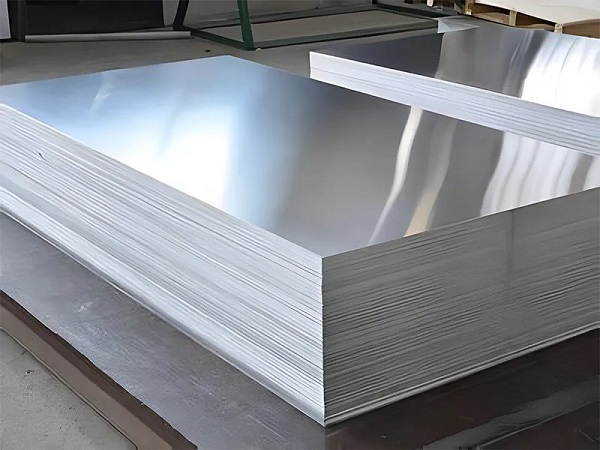
Choosing the right aluminum sheet metal thickness can feel confusing. The gauge system is counterintuitive—higher numbers mean thinner metal. And aluminum gauges differ from steel. So here is the direct answer: For most common projects, aluminum sheet metal thickness ranges from 0.025 inches (thin/decorative) to 0.125 inches (sturdy/structural). Thin sheets (0.025″–0.040″) work for signs and trim. Medium sheets (0.063″–0.080″) suit panels and enclosures. Sturdy sheets (0.090″–0.125″) handle decks, hatches, and load-bearing parts. Anything over 0.125 inches is considered plate, used for heavy industrial work.
This guide walks you through gauges, real-world applications, and how to pick the perfect thickness for your project without overpaying or overloading weight.
What Does Aluminum Gauge Mean?
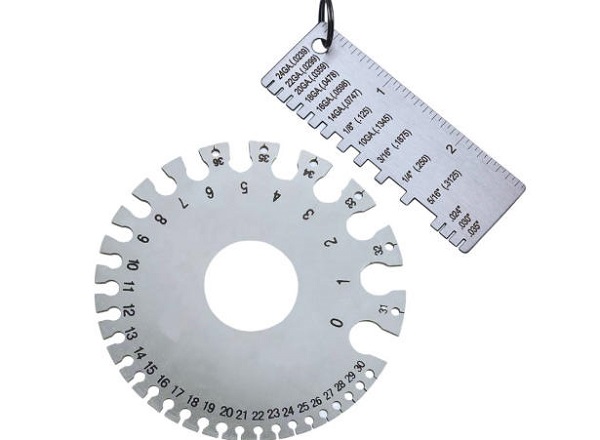
Gauge is a standard number used to describe aluminum sheet metal thickness. The rule is simple: smaller gauge number = thicker sheet. For example, 7-gauge aluminum is 0.1443 inches thick, while 25-gauge is only 0.0204 inches.
But here is the trap many buyers fall into. Aluminum gauge differs from steel gauge. A 16-gauge steel sheet is thicker than 16-gauge aluminum. Always check an aluminum-specific chart before ordering.
| Gauge | Aluminum Thickness (inches) | Aluminum Thickness (mm) |
|---|---|---|
| 7 | 0.1443 | 3.66 |
| 11 | 0.0907 | 2.30 |
| 16 | 0.0508 | 1.29 |
| 18 | 0.0403 | 1.02 |
| 20 | 0.0320 | 0.81 |
| 22 | 0.0253 | 0.64 |
| 25 | 0.0179 | 0.45 |
Pro tip from Moshijia Technology: Always confirm gauge with a thickness gauge or supplier certificate. A mismatch between steel and aluminum gauges has caused many failed structural designs.
How to Convert Gauge to Inches or mm?
Converting gauge to inches or millimeters is easy with a reference chart. But remember: no universal formula exists. You cannot calculate gauge from thickness using a simple equation because gauge scales are based on historical standards.
Here is the conversion for the most requested aluminum gauges:
- 7 gauge: 0.1443 inches (3.66 mm)
- 11 gauge: 0.0907 inches (2.30 mm)
- 16 gauge: 0.0508 inches (1.29 mm)
- 18 gauge: 0.0403 inches (1.02 mm)
- 20 gauge: 0.0320 inches (0.81 mm)
- 22 gauge: 0.0253 inches (0.64 mm)
- 25 gauge: 0.0179 inches (0.45 mm)
For metric users: multiply inches by 25.4 to get millimeters. So 0.125″ × 25.4 = 3.175 mm (often called 1/8-inch plate).
What Thickness Do You Need for Common Applications?
Different jobs demand different aluminum sheet metal thicknesses. Here is a practical breakdown based on real industry use.
Thin Sheets (0.025″ – 0.040″)
These are lightweight and easy to cut. Use them for decorative or cosmetic purposes where strength is not the main concern.
- Examples: signs, small flashing, trim, model making, hobby crafts
- Typical gauge: 20 to 22 gauge
- Fabrication: Can be cut with tin snips or a laser
Medium Sheets (0.063″ – 0.080″)
This range balances weight and stiffness. It is the go-to choice for enclosures and panels that need moderate load capacity.
- Examples: equipment enclosures, trailer siding, RV panels, boat flooring (non-structural)
- Typical gauge: 14 to 16 gauge
- Fabrication: Requires a brake press for bending; shears work well
Sturdy Sheets (0.090″ – 0.125″)
These are standard for structural applications. Many engineers call 1/8″ (0.125″) the minimum for unsupported spans.
- Examples: decks, hatches, truck floors, machine guards, structural brackets
- Typical gauge: 10 to 12 gauge
- Fabrication: Needs hydraulic press or heavy-duty equipment
Plate (>0.125″)
Anything above 0.125 inches is technically aluminum plate, not sheet. Use this for heavy industrial parts.
- Examples: bridge components, heavy machinery bases, large marine structures
- Typical gauge: 7 gauge and lower
- Fabrication: Requires machining or plasma cutting
| Application Type | Thickness Range | Best For |
|---|---|---|
| Decorative / trim | 0.025″ – 0.040″ | Signs, flashing, models |
| Panels / enclosures | 0.063″ – 0.080″ | RV siding, equipment covers |
| Structural (supported) | 0.090″ – 0.125″ | Decks, hatches, floors |
| Heavy industrial | >0.125″ | Machine bases, bridges |
What Factors Affect Your Thickness Choice?
Picking the right thickness is not random. Four key factors drive the decision.
1. Structural Support
If your aluminum sheet metal is fully supported from underneath, you can use a thinner gauge. For example, a 0.040″ sheet glued to a solid plywood backer works fine. But if the sheet spans 24 inches without support, you may need 0.125″ to prevent sagging or oil-canning.
Real example: A food trailer builder used 0.063″ aluminum for side panels with ribs every 12 inches. The same builder used 0.125″ for the floor with supports only at 24-inch centers.
2. Weight vs. Strength
Aluminum is about one-third the density of steel. This is a benefit and a challenge. To match the strength of a thin steel sheet, you often need thicker aluminum sheet metal.
- Steel (14-gauge): 0.0747″ thick, very strong
- Aluminum (same strength): roughly 0.125″ thick (almost double)
So if you are replacing steel with aluminum, expect to go up in thickness.
3. Fabrication Requirements
Thicker metal is harder to bend, cut, and form.
- 0.025″ – 0.040″: Can be cut with hand shears; bends easily by hand
- 0.050″ – 0.080″: Needs a sheet metal brake; laser cutting is fine
- 0.090″ – 0.125″: Requires hydraulic press or heavy-duty equipment
- >0.125″: Needs machining or plasma cutting
If your project has tight bends or complex shapes, choose thinner material.
4. Curved Surfaces
Curved panels are naturally stiffer than flat ones. A curved 0.040″ sheet can perform like a flat 0.063″ sheet. So if your design allows curves, you can save weight and cost.
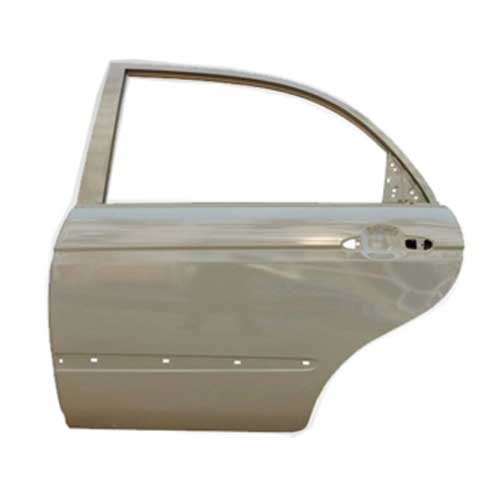
Example from automotive: Car body panels use 1.0–1.5 mm (0.039″–0.059″) aluminum because the curved shapes add rigidity.
How Does Aluminum Compare to Steel in Thickness?
This is a critical question for engineers switching materials. Aluminum sheet metal is less stiff than steel. For the same thickness, steel is about three times stiffer.
Here is a real-world comparison:
| Property | Steel (16-gauge) | Aluminum (16-gauge) |
|---|---|---|
| Thickness | 0.0598″ | 0.0508″ |
| Stiffness (relative) | High | Low (about 1/3 of steel) |
| Weight | Heavy | Light (about 1/3 of steel) |
To get aluminum as stiff as 16-gauge steel, you need roughly 0.125″ aluminum (about 2.5× thicker). But the aluminum will still weigh less overall.
Moshijia Technology insight: Do not match gauge numbers. Match stiffness requirements instead. Calculate the needed moment of inertia, then back-calculate the aluminum thickness.
Industry-Specific Thickness Guidelines
Different industries have proven standards. Use these as starting points.
Automotive (body panels)
- Thickness: 1.0 – 1.5 mm (0.039″ – 0.059″)
- Typical gauge: 18 to 20 gauge
- Reason: Balance of weight savings and dent resistance. Curved shapes add strength.
Structural components (brackets, frames)
- Thickness: 2.0 – 2.5 mm (0.079″ – 0.098″)
- Typical gauge: 12 to 14 gauge
- Reason: Needs to carry loads without permanent bending.
Architecture (roofing, fascia)
- Thickness: 0.8 – 1.2 mm (0.031″ – 0.047″)
- Typical gauge: 18 to 20 gauge
- Reason: Weather resistance and formability matter more than extreme strength.
Marine (hatches, decks)
- Thickness: 3.0 – 5.0 mm (0.118″ – 0.197″)
- Typical gauge: 7 to 10 gauge
- Reason: Corrosion resistance and ability to withstand wave impacts.
| Industry | Thickness (mm) | Thickness (inches) | Typical Gauge |
|---|---|---|---|
| Automotive body | 1.0 – 1.5 | 0.039 – 0.059 | 18–20 |
| Structural parts | 2.0 – 2.5 | 0.079 – 0.098 | 12–14 |
| Architecture | 0.8 – 1.2 | 0.031 – 0.047 | 18–20 |
| Marine | 3.0 – 5.0 | 0.118 – 0.197 | 7–10 |
Common Mistakes When Choosing Thickness
Here are three frequent errors we see at Moshijia Technology.
Mistake 1: Matching gauge numbers between steel and aluminum
A 16-gauge steel sheet is not the same as 16-gauge aluminum. Always convert based on thickness in inches or mm, not gauge numbers.
Mistake 2: Ignoring support spacing
A 0.040″ sheet might work over a 6-inch span but will sag over 24 inches. Calculate the span before choosing thickness.
Mistake 3: Over-specifying thickness
Thicker is not always better. Extra thickness adds cost, weight, and fabrication difficulty. Many projects use 0.063″ when 0.040″ would work with better support design.
Quick Selection Guide (30-Second Decision)
Ask yourself three questions:
- Does it need to carry weight?
- No → 0.025″ – 0.040″
- Yes, light loads → 0.063″ – 0.080″
- Yes, heavy loads → 0.090″ – 0.125″
- Is the sheet supported from behind?
- Fully supported → choose thinner range
- Unsupported spans over 12″ → choose thicker range
- Do you need tight bends?
- Yes, complex bends → stay under 0.063″
- No, simple bends → any thickness works
Conclusion
Choosing the right aluminum sheet metal thickness comes down to understanding gauge, support, weight, and fabrication needs. Start by identifying your application: decorative (0.025″–0.040″), panel/enclosure (0.063″–0.080″), structural (0.090″–0.125″), or heavy plate (>0.125″). Remember that aluminum gauges are not the same as steel gauges. Always check thickness in inches or millimeters. And when in doubt, test a sample or consult with an experienced supplier like Moshijia Technology.
FAQ
What is the most common aluminum sheet metal thickness for general use?
The most common range is 0.040″ to 0.125″. For lightweight panels, 0.040″ (18–20 gauge) works. For structural parts, 0.125″ (10–12 gauge) is standard.
How do I convert aluminum gauge to inches?
Use a conversion chart. For example, 7 gauge = 0.1443″, 11 gauge = 0.0907″, 16 gauge = 0.0508″. There is no simple formula, so always check a reliable chart.
Is thicker aluminum always stronger?
Yes, thicker aluminum is stronger and stiffer. But it is also heavier, harder to fabricate, and more expensive. Choose the minimum thickness that meets your performance needs.
Can I use steel gauge numbers for aluminum?
No. Steel and aluminum use different gauge standards. A 16-gauge steel sheet is thicker than 16-gauge aluminum. Always specify thickness in inches or mm, not just gauge.
What thickness aluminum do I need for a trailer floor?
For a trailer floor with supports every 16–24 inches, use 0.090″ to 0.125″ (10–12 gauge). For lighter trailers with close supports, 0.063″ (14–16 gauge) may work.
How thin can aluminum sheet metal be?
The thinnest commonly available aluminum sheet is around 0.0056″ (35 gauge). But for practical projects, 0.025″ (22 gauge) is the thin end for anything structural.
Get projects quote with Moshijia Technology
Need the right aluminum sheet metal thickness for your next project? Moshijia Technology provides precision cutting, bending, and fabrication services. We help engineers and manufacturers select the optimal thickness to save weight and cost. [Contact us today] for a quick quote or design consultation.