Introduction
Working with aluminum sheet metal can be tricky. It’s soft, heats up fast, and loves to crack or warp. But with the right techniques, you can cut, bend, and weld it like a pro. This guide shares 10 practical tips from real shop floors. Whether you’re a manufacturing engineer, a metal fabricator, or a DIY builder, these steps will help you avoid common failures and get clean, strong results.
1. Which Cutting Tools Work Best for Aluminum?
Choose tools designed for soft metals. Standard woodworking saws can work, but only if you swap the blade. Use carbide-tipped blades with more rake and fewer teeth. For example, a 10-inch blade with 60 teeth works well for aluminum sheet metal up to 1/8 inch thick.
Avoid steel-cutting blades. They clog fast and cause overheating. For laser cutting, use nitrogen as the assist gas. It prevents oxidation on the cut edge. For waterjet cutting, no heat means no warping—ideal for thin sheets under 0.040 inches.
Key data point: A sharp blade reduces cutting friction by up to 40%, lowering the risk of material galling.
2. Why Does Aluminum Stick to Tools and How to Stop It?
Galling happens when aluminum fuses to your drill bit, saw blade, or punch. The soft metal transfers onto the tool surface. This ruins your finish and dulls the tool fast.
Solution: Always use lubricants. WD-40, kerosene, or a dedicated aluminum cutting fluid work well. Apply lightly before each pass. For drilling, use a step drill bit with lubrication every 10-15 seconds.
Real-world example: A shop cutting 500 holes in 0.080-inch aluminum sheet metal reduced tool wear by 70% just by adding a constant mist lubricant system.
| Tool Type | Lubricant | Application Frequency |
|---|---|---|
| Circular saw blade | WD-40 | Every 2-3 cuts |
| Drill bit | Cutting fluid | Every 10 seconds |
| Punch press | Light oil | Continuous mist |
3. How Sharp Should Your Blades Be?
Extremely sharp. Dull blades push the metal instead of cutting it. This bends the sheet and creates rough, jagged edges. For aluminum sheet metal, use new or freshly sharpened carbide blades. Take shallow passes—no more than 0.030 inches per pass on a CNC router.
Pro tip: If you hear squealing or see smoke, your blade is dull. Stop immediately. Replace or resharpen.
One fabricator shared: “We cut 2000 series aluminum daily. Switching to a sharper blade cut our deburring time in half.”
4. How to Protect the Surface from Scratches?
Aluminum scratches easily. Even a clean workbench can leave marks. Use painter’s tape on the base of jigsaws, shears, or clamps. For large sheets, lay down carpet scraps or rubber mats before cutting.
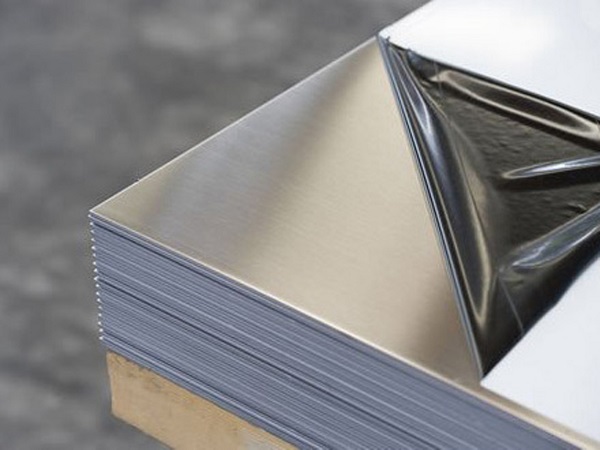
Best practice: Peel off the factory plastic film only after all cutting and drilling is done. Keep it on during bending too. This single step prevents 90% of cosmetic damage.
List of surface protection tools:
- Painter’s tape (low adhesive residue)
- Rubber bench pads
- Plastic film (keep factory layer)
- Felt strips on clamp jaws
5. Why Does Aluminum Vibrate and How to Stop It?
Aluminum sheet metal is flexible. Thin gauges (under 0.040 inches) chatter badly during cutting. This leads to wavy edges and inaccurate dimensions.
Fix: Clamp the sheet firmly to a rigid work surface. Use pneumatic clamps or multiple spring clamps every 6 inches. For large sheets, add a sacrificial backer board made of plywood. The backer absorbs vibration and supports the metal fibers.
Real data: In a test cutting 0.032-inch aluminum, using a plywood backer reduced edge deviation from ±0.020 inches to ±0.005 inches.
6. How to Control Heat Distortion When Cutting or Welding?
Aluminum expands twice as much as steel when heated. Too much heat causes warping and buckling. The key is low heat input and fast speeds.
For cutting: Use laser or waterjet whenever possible. For sawing, keep feed rates high and blade speeds moderate (3,000–4,000 SFM).
For welding: Use TIG welding with AC current. AC cleans the oxide layer while controlling heat. Keep weld passes short. Use copper backing bars or aluminum clamp blocks as heat sinks. They pull heat away from the weld zone.
Example: A marine fabricator welding 1/8-inch aluminum sheet metal reduced distortion by 60% by clamping a 1-inch thick aluminum bar behind every weld seam.
7. TIG or MIG: Which Weld Type Is Right for You?
TIG (GTAW-AC) is the gold standard for thin aluminum sheet metal. It gives you precise control and clean beads. Use 1/16-inch or 3/32-inch tungsten electrodes with pure argon gas.
MIG with a spool gun works for thicker sheets (over 1/8 inch). The spool gun keeps the wire straight and prevents birdnesting. But MIG runs hotter, so expect more distortion.
| Feature | TIG (AC) | MIG (Spool Gun) |
|---|---|---|
| Best sheet thickness | 0.025–0.125 inch | 0.125–0.250 inch |
| Heat input | Low | Medium to high |
| Weld quality | Excellent | Good |
| Learning curve | Steep | Moderate |
| Typical gas | 100% Argon | 100% Argon |
Our take: For most shop work on aluminum sheet metal, TIG is worth the extra practice time.
8. Why Must You Clean Before Welding?
Aluminum forms a natural oxide layer that melts at 3,700°F—far above the base metal’s 1,200°F melting point. If you weld over the oxide, the weld pool won’t fuse properly. You’ll get porosity and weak joints.
Clean using these steps:
- Wipe with acetone or denatured alcohol to remove oils.
- Use a dedicated stainless steel wire brush (never used on steel).
- Brush in one direction only. Scrubbing back and forth pushes oxide into the metal.
- Weld within 2 hours of cleaning. Oxide reforms quickly.
Critical fact: Using the same brush on steel and aluminum transfers iron particles. This causes galvanic corrosion later. Label your brushes.
9. How to Bend Aluminum Without Cracking?
Bending aluminum sheet metal requires the right radius. A sharp bend cracks the outside surface. The general rule: inside bend radius = 1 to 3 times material thickness.
For 0.125-inch thick 5052 aluminum, use a 0.25-inch radius punch. For harder alloys like 6061-T6, anneal the bend area first with a torch (heat to 750°F, then air cool). Without annealing, 6061 cracks easily.
Avoid cracking checklist:
- Polish the sheet corners before bending
- Align bends with the rolling direction (perpendicular to grain)
- Use a radius die instead of a sharp V-die
- Lubricate the bend line
Real shop tip: One HVAC shop reduced scrap from 15% to 3% just by switching to polished punch tips and adding a thin film of wax.
10. How to Store Aluminum Sheet Metal Properly?
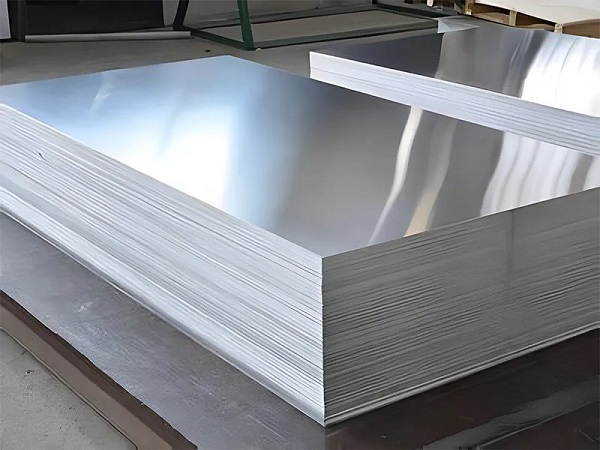
Poor storage causes warping, corrosion, and surface stains. Always store aluminum sheet metal flat. Use plywood pallets or A-frame racks. Never lean sheets against a wall—they will bow.
Best storage conditions:
- Dry, ventilated area
- Temperature between 50–85°F
- Humidity below 60%
- No direct contact with steel, concrete, or pressure-treated wood (chemicals cause pitting)
Pro tip: Slip kraft paper or plastic sheets between each layer if stacking multiple sheets. This prevents scratching and condensation damage.
Conclusion
Working with aluminum sheet metal doesn’t have to be frustrating. The 10 tips above cover cutting, bending, welding, and storage. The common thread? Control heat, use sharp tools, always lubricate, and clean before welding. These small changes save hours of rework and scrap. Start with one or two tips on your next project. You’ll see the difference in quality and speed.
FAQ
What is the best way to cut aluminum sheet metal at home?
Use a circular saw with a carbide-tipped blade (60–80 teeth) and apply WD-40 as lubricant. Clamp the sheet to a plywood backer to reduce vibration.
Why does my aluminum weld look black and dirty?
That’s caused by a dirty oxide layer or contaminated filler rod. Clean the metal with acetone and use a dedicated stainless steel brush right before welding.
Can I bend aluminum sheet metal without a brake press?
Yes, for thin gauges (0.040 inches or less), you can use a hand seamer or a homemade bending jig with hardwood blocks. Always use a radius edge to prevent cracking.
How do I stop aluminum from sticking to my drill bit?
Use a step drill bit and apply cutting fluid every 10 seconds. Reduce drilling speed—aluminum needs slower RPMs than steel.
What thickness of aluminum sheet metal can I weld with TIG?
You can weld as thin as 0.025 inches with TIG using a 1/16-inch tungsten and low amperage (30–50 amps). Practice on scrap first.
Get projects quote with Moshijia Technology
Need help with your next aluminum sheet metal project? Moshijia Technology provides precision cutting, bending, and welding services for prototypes and production runs. Send us your CAD files and material specs. We’ll reply with a quote and DFM feedback within 24 hours. [Contact us today] to get started.