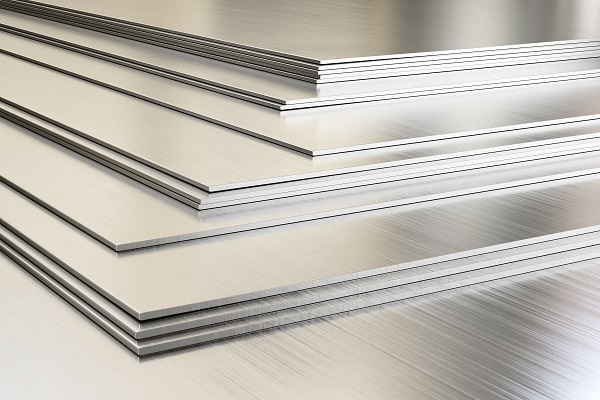
If you are tired of steel that rusts or materials that are too heavy to handle, aluminum sheet metal is the answer you are looking for. The top seven benefits are: it is lightweight, resists corrosion naturally, bends easily, looks good without extra work, conducts heat and electricity well, is fully recyclable, and saves you money over time. Engineers and builders choose aluminum sheet metal because it solves real shop-floor problems. Let us walk through each benefit in detail.
What Is Aluminum Sheet Metal?
Aluminum sheet metal is flat aluminum rolled to a thickness between 0.2 mm and 6 mm. It starts as raw aluminum ingots, then passes through rolling mills. The result is a strong, rust-proof sheet that you can cut, bend, and weld. Unlike steel, it does not need painting to block rust. This makes it a favorite for boats, cars, planes, and building facades.
1. Why Is It So Lightweight?
Aluminum sheet metal weighs about 2.7 g/cm³. Steel weighs 7.8 g/cm³. That means aluminum is roughly one-third the weight of steel for the same volume.
Real numbers from the shop
A 1 m x 2 m sheet of 2 mm thick steel weighs about 31.4 kg. The same size aluminum sheet metal weighs only 10.8 kg. Your workers can carry it with one hand. Forklift time drops. Shipping costs fall.
Where this matters most
- Truck bodies: Every 100 kg saved improves fuel economy by roughly 0.4 L per 100 km.
- Drone frames: Lighter frame means longer flight time.
- Portable equipment: Field technicians thank you.
A marine equipment maker switched from steel to 5052 aluminum sheet metal for their portable fuel tanks. Each tank went from 18 kg to 6 kg. Shipping costs dropped 55%.
2. How Does It Resist Corrosion?
Aluminum sheet metal forms a natural oxide layer when exposed to air. This layer is thin (about 4 nm) but incredibly tough. It repairs itself if scratched. Steel needs paint or plating. Aluminum just needs air.
Comparing corrosion resistance
| Environment | Steel (uncoated) | Aluminum (5052) |
|---|---|---|
| Indoor dry | Rust after 2-3 years | No change after 10+ years |
| Coastal salt spray | Rust in weeks | Minor pitting after 5+ years |
| Chemical plant | Severe corrosion | Stable with most chemicals |
A practical example
A Florida boat builder used 6061 aluminum sheet metal for a fuel tank. After 6 months in saltwater, no rust—only a dull gray oxide. The same tank in steel would have needed replacement in one season.
When to be careful
Avoid direct contact with copper, bare steel, or wet concrete. Use a primer or nylon washer between dissimilar metals. This stops galvanic corrosion.
3. Can You Bend and Shape It Easily?
Yes. Aluminum sheet metal is one of the most formable metals you can buy. The 5xxx series (like 5052) bends to a zero radius without cracking. Even 6061 bends well in the annealed (O) temper.
Fabrication flexibility at a glance
| Process | Aluminum performance |
|---|---|
| Bending | Excellent (5052 can fold flat) |
| Stamping | Very good |
| Deep drawing | Good with 3003 or 5052 |
| Cutting (shear) | Clean edges, low tool wear |
| Welding | Excellent with 5xxx and 6xxx |
| CNC routing | Fast, no heat distortion |
Shop tip
For complex enclosure shapes, use 5052-H32 aluminum sheet metal. It bends cleanly on a press brake. No annealing needed. For structural brackets that need higher strength, use 6061-T6 but respect the minimum bend radius (1-2x thickness).
A custom electronics enclosure maker reported a 30% drop in scrapped parts after switching from 6061-T6 to 5052-H32 for their folded cases.
4. What About the Look and Finish?
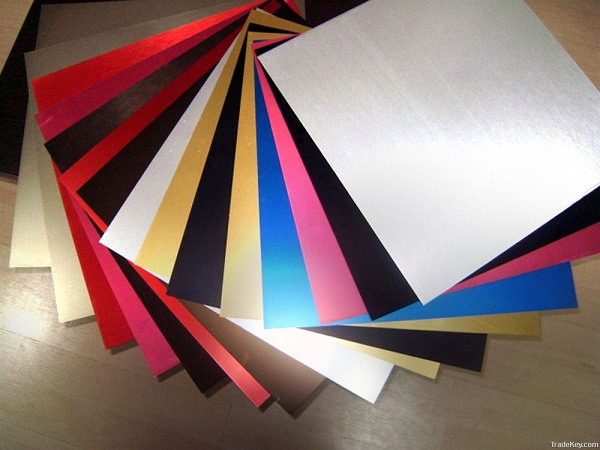
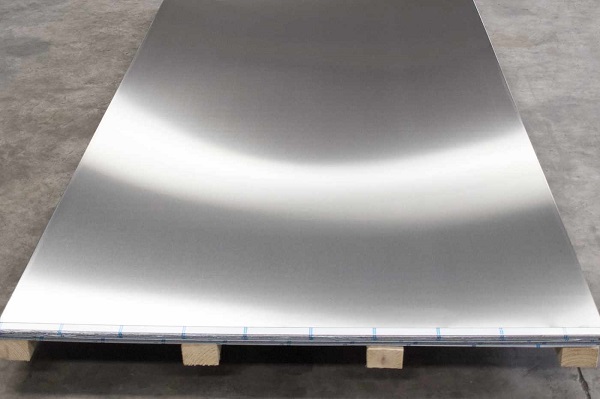
Aluminum sheet metal looks good without extra coatings. But you can also make it look premium with simple surface treatments.
Available finishes
- Mill finish: Raw, slightly textured. Fine for hidden parts.
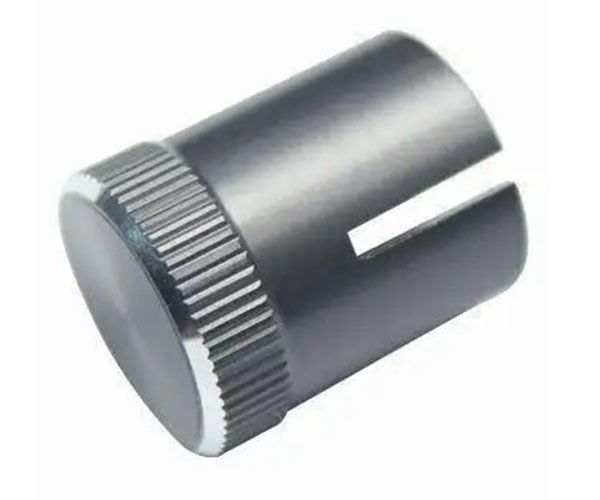
- Brushed finish: Fine, uniform lines. Looks like stainless steel.
- Polished finish: Mirror-like. Used for decorative trim.
- Anodized: Hard, colored surface. Adds wear resistance.
- Powder coated: Any color. Maximum durability outdoors.
Why anodizing matters
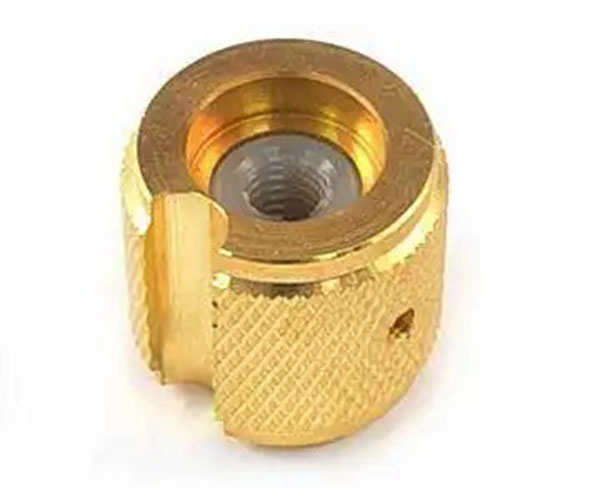
Anodizing thickens the natural oxide layer from 4 nm to 25-50 microns. This makes the surface harder than raw aluminum. It also accepts dyes, so you can get black, gold, or clear finishes. Anodized aluminum sheet metal is common on smartphone cases, laptop bodies, and architectural panels.
A Chicago architectural firm used anodized 6061 aluminum sheet metal for building spandrels. The finish has stayed uniform for 12 years without repainting.
5. Does It Conduct Heat and Electricity Well?
Yes. Aluminum sheet metal conducts heat about 60% as well as copper. But it is one-third the weight. For many applications, this is a winning trade-off.
Thermal conductivity numbers
| Material | Thermal conductivity (W/m·K) | Density (g/cm³) |
|---|---|---|
| Copper | 401 | 8.96 |
| Aluminum (6061) | 167 | 2.70 |
| Steel | 50 | 7.85 |
Practical applications
- Heat sinks: LED lights, power supplies, and amplifiers use aluminum sheet metal fins to pull heat away from sensitive parts.
- Refrigeration: Evaporator plates and freezer shelves.
- Electronic enclosures: The metal case acts as a heat spreader.
Electrical conductivity
Aluminum sheet metal conducts about 61% of copper’s electrical conductivity by volume. But because it is lighter, it conducts more than copper by weight. This is why power lines use aluminum, not copper.
A solar inverter manufacturer switched from steel to aluminum sheet metal for their enclosures. Heat dissipation improved by 40%. Component life extended by an estimated 3 years.
6. Is It Really Sustainable?
Aluminum sheet metal is 100% recyclable with no loss of quality. Recycling uses only 5% of the energy needed to make new aluminum from ore.
Hard numbers on recycling
- Producing new aluminum from bauxite: 14-16 kWh per kg
- Recycling aluminum scrap: 0.7-0.8 kWh per kg
- Energy saved: 95%
- CO₂ avoided per ton recycled: 8-10 tons
LEED and green building
Using recycled aluminum sheet metal can contribute to LEED credits in construction projects. Many architects now specify minimum recycled content (often 30-70% post-consumer).
Real-world impact
An automotive parts maker now uses 85% recycled 6061 aluminum sheet metal for their brackets. They cut their carbon footprint by 78% compared to virgin material. Cost? Almost the same—recycling has become that efficient.
7. Does It Save Money Over Time?
Yes. The upfront cost of aluminum sheet metal can be higher than steel. But the lifetime cost is often lower.
Cost comparison over 10 years (per square meter of 2 mm sheet)
| Cost factor | Steel (coated) | Aluminum (5052) |
|---|---|---|
| Material | $12 | $18 |
| Shipping (lighter) | $4 | $1.50 |
| Corrosion maintenance (painting) | $6 (every 3 years) | $0 |
| Replacement risk | Medium | Low |
| Total 10-year cost | ~$34 | ~$19.50 |
Where aluminum wins hardest
- Marine applications: No repainting. No rust holes.
- Roofing and gutters: Lasts 40+ years vs. 15-20 for steel.
- Food processing equipment: No rust means no contamination risk.
- Transportation: Every kg saved reduces fuel cost for the vehicle’s life.
A fleet of delivery trucks with aluminum sheet metal bodies saved $4,200 per truck in fuel over 8 years compared to steel-bodied trucks.
Bonus: Wide Range of Alloys and Tempers
You are not stuck with one type. Aluminum sheet metal comes in many alloys, each tuned for a specific job.
| Alloy | Best for |
|---|---|
| 3003 | Deep drawing, cooking pots |
| 5052 | Marine, chemical, bending |
| 6061 | Structural, welding, general |
| 7075 | High-stress aerospace parts |
Temper options (H32, T6, etc.) let you choose between soft and formable or hard and strong—from the same alloy.
Conclusion
The seven benefits of aluminum sheet metal are clear: it is light, resists rust, bends easily, looks great, conducts heat and electricity, recycles forever, and saves money over the long run. Whether you build boats, cars, electronics enclosures, or building facades, aluminum sheet metal delivers real value. Start with 5052-H32 for forming and corrosion resistance. Pick 6061-T6 for structural strength. And remember—every kg of aluminum you use today can become a new product tomorrow.
FAQ
Is aluminum sheet metal stronger than steel?
No. Steel is stronger by volume. But aluminum sheet metal has a better strength-to-weight ratio. For the same weight, aluminum can be thicker and sometimes stronger than steel.
Does aluminum sheet metal rust in saltwater?
No. It does not rust. It can form surface pitting over many years, but 5052 aluminum sheet metal resists saltwater exceptionally well. Steel would rust through in months.
Can I weld aluminum sheet metal at home?
Yes, but. You need an AC TIG welder or a spool gun on a MIG welder. Aluminum sheet metal welds well, but you must clean off the oxide layer first. Practice on scrap first.
Is aluminum sheet metal expensive?
Per kilogram, yes. Per part over its lifetime, often no. The material costs more than steel, but savings come from lighter shipping, no painting, and longer life.
What is the easiest aluminum sheet metal to bend?
5052-H32. It bends to a sharp 90-degree angle without cracking. 3003-H14 is also very bendable. Avoid 7075-T6 for bending—it cracks easily.
Get projects quote with Moshijia Technology
Ready to switch to aluminum sheet metal for your next project? Moshijia Technology supplies precision-cut sheets in 5052, 6061, 3003, and 7075. We offer custom thicknesses, anodized finishes, and fast turnaround. Tell us your application—marine, structural, electronic, or decorative—and we will recommend the right alloy. Request your free quote today.