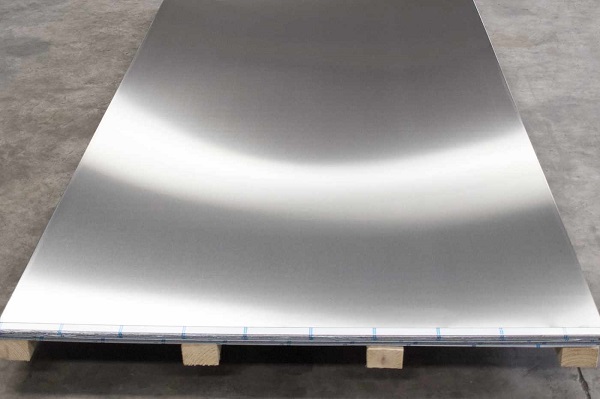
Picking the right aluminum sheet metal can feel overwhelming. You see codes like 5052-H32 or 6061-T6 and wonder what they mean. Here is the simple truth: the best choice depends on three things—how strong it needs to be, where it will live (indoors, outdoors, saltwater), and how you plan to shape it. Start with your application, then match the alloy and temper. This guide walks you through each decision step by step.
What Is Aluminum Sheet Metal?
Aluminum sheet metal is flat aluminum rolled thin, typically from 0.2 mm to 6 mm thick. It is lightweight, resists rust, and bends easily. You find it in airplane wings, boat hulls, car panels, and even kitchen gear. Unlike steel, it does not need painting to fight corrosion, though painting helps with looks.
Why Does the Alloy Number Matter?
The alloy number tells you what metals are mixed with aluminum. This mix changes strength, flexibility, and rust resistance. The Aluminum Association uses a four-digit system. The first digit shows the main alloying element.
| Series | Main Element | Key Trait | Common Use |
|---|---|---|---|
| 1xxx | 99%+ Aluminum | Soft, very bendable | Chemical tanks |
| 3xxx | Manganese | Good formability | Cooking utensils |
| 5xxx | Magnesium | Excellent corrosion resistance | Boat parts, fuel tanks |
| 6xxx | Magnesium & Silicon | Medium strength, weldable | Truck frames, pipes |
| 7xxx | Zinc | Very high strength | Aircraft parts |
For sheet metal work, you will see 3003, 5052, 6061, and 7075 most often.
Which Aluminum Grade Should You Pick?
5052 Aluminum Sheet Metal
This is the top choice for marine and chemical environments. 5052 aluminum sheet metal resists saltwater better than almost any other grade. It bends well but does not heat-treat to higher strength.
- Strength: Medium (yield strength ~193 MPa)
- Corrosion resistance: Excellent in saltwater
- Formability: Very good
- Weldability: Excellent
- Best for: Boat hulls, fuel tanks, electronic enclosures, chemical equipment
6061 Aluminum Sheet Metal
The all-rounder. 6061 aluminum sheet metal offers good strength, good corrosion resistance, and easy welding. It responds to heat treatment, so you can make it stronger after forming.
- Strength: Medium-high (yield strength ~276 MPa after T6 temper)
- Corrosion resistance: Good (but not as good as 5052 in saltwater)
- Formability: Fair to good
- Weldability: Good
- Best for: Structural parts, truck bodies, machine parts, bicycle frames
7075 Aluminum Sheet Metal
This is the strong one. 7075 aluminum sheet metal has strength close to steel but at one-third the weight. The trade-off? Lower corrosion resistance and it is harder to bend.
- Strength: Very high (yield strength ~503 MPa after T6)
- Corrosion resistance: Poor (needs coating or cladding)
- Formability: Poor
- Weldability: Poor (friction welding only)
- Best for: Aircraft wings, high-stress sporting goods, molds
Quick Comparison Table
| Property | 5052 | 6061 | 7075 |
|---|---|---|---|
| Strength | Medium | Medium-high | Very high |
| Corrosion resistance | Excellent | Good | Poor |
| Bendability | Excellent | Good | Poor |
| Weldability | Excellent | Good | Poor |
| Cost | Low | Low | High |
| Typical use | Marine | General structure | Aerospace |
What Does Temper Mean (H32, T6, etc.)?
Temper tells you how the metal was processed after rolling. This changes hardness and strength. You cannot ignore temper—it matters as much as the alloy.
- H temper (strain-hardened): Common for 5xxx series. H32 means strain-hardened and stabilized. It is stable and will not age-harden over time.
- T temper (heat-treated): Common for 6xxx and 7xxx series. T6 means solution heat-treated plus artificial aging. This gives maximum strength.
Real-world example
A sheet of 5052-H32 is ready to bend and weld right away. The same sheet in 5052-H0 (fully soft) is much easier to bend but too weak for most structures. If you need 6061-T6, do not substitute 6061-O (annealed, soft)—the strength difference is over 10x.
How Thick Should Your Aluminum Sheet Metal Be?
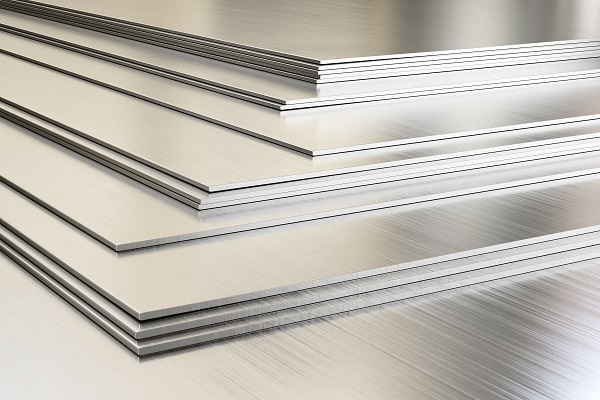
Thickness is measured in millimeters or gauge. For most fabrication, millimeters are more precise. Here is a practical guide:
| Thickness (mm) | Typical Use |
|---|---|
| 0.5 – 1.0 | Electronic enclosures, nameplates |
| 1.2 – 2.0 | Car body panels, small boxes |
| 2.5 – 4.0 | Boat decks, truck floors, machine guards |
| 5.0 – 6.0 | Structural brackets, heavy equipment skins |
A tip from the shop floor
For a drone frame that needs to be light but stiff, start with 2 mm 6061-T6. For a boat fuel tank that lives in saltwater, use 3 mm 5052-H32. For a folding electronics enclosure, try 1.2 mm 5052-H32—it bends cleanly without cracking.
What About Surface Finish?
Most aluminum sheet metal comes with a mill finish (raw, slightly textured). For visible parts or harsh environments, you can add:
- Mill finish: Cheap, but shows scratches. Good for hidden parts.
- Brushed finish: Fine lines in one direction. Looks premium. Used on appliance panels.
- Polished finish: Mirror-like. Great for decorative trim.
- Anodized: Electrochemical coating. Adds hardness and color. Common on consumer electronics.
- Primed or painted: Best for outdoor parts that need color matching.
Anodizing does not add much strength, but it dramatically improves surface wear and corrosion resistance. For a marine environment, anodized 5052 lasts years longer than mill finish.
How to Match Aluminum Sheet Metal to Your Application
Ask these four questions before you buy:
- Will it touch saltwater or chemicals?
Yes → 5052. No → 6061 or 7075. - Do you need to bend it sharply?
Yes → 5052. No → 6061 or 7075. - Does it need to be extremely strong (like a wing spar)?
Yes → 7075-T6. No → 6061-T6 or 5052. - Will you weld it?
Yes → 5052 or 6061 (not 7075).
Decision flowchart (simple version)
- Marine, chemical, or outdoor damp environment → 5052-H32
- General structure, frames, brackets → 6061-T6
- High-strength, low-corrosion need → 7075-T6 (with coating)
- Decorative or light-duty enclosure → 3003-H14
Common Mistakes to Avoid
- Using 7075 where 6061 would work: You pay triple for strength you do not need, and you struggle to bend it.
- Ignoring temper: Buying 6061-O instead of 6061-T6 gives you a floppy sheet that fails under load.
- Mixing metals without insulation: Steel bolts directly into aluminum sheet metal cause galvanic corrosion. Use nylon washers or sealants.
- Forgetting bend radius: 5052 can bend to zero radius (fold flat). 6061 needs a minimum radius of 1 to 2 times thickness. 7075 cracks easily—avoid tight bends.
Real-World Customer Example
A small boat builder switched from 6061-T6 to 5052-H32 for their fuel tanks. They had issues with pitting after one season in saltwater. The 5052 solution: same thickness (3 mm), similar cost, but no corrosion after two years. They also found 5052 aluminum sheet metal bent more easily on their press brake, reducing scrapped parts by 12%.
Conclusion
Choosing the right aluminum sheet metal comes down to three matches: alloy to environment, temper to strength need, and thickness to load. For saltwater or chemical exposure, pick 5052-H32. For general structural work, pick 6061-T6. For maximum strength with coated protection, pick 7075-T6. When in doubt, start with 6061-T6—it works for 80% of shop applications. Always request a material data sheet from your supplier and test a small sample before full production.
FAQ
What is the best aluminum sheet metal for outdoor use?
5052-H32 offers the best combination of corrosion resistance and formability for outdoor and marine environments. For structural outdoor parts, 6061-T6 with a painted or anodized finish also works well.
Can I weld 7075 aluminum sheet metal?
No. Standard welding causes cracks in 7075. Use mechanical fasteners or adhesive bonding instead. If you must weld, switch to 6061 or 5052.
What does H32 mean on aluminum sheet metal?
H32 means strain-hardened (H) and stabilized (3) to a quarter-hard temper (2). It is the most common temper for 5052 sheet. It offers good formability with stable properties.
Is thicker aluminum sheet metal always stronger?
No. A thin sheet of 7075-T6 can be stronger than a thick sheet of 3003-H14. Strength comes from both alloy and temper, not just thickness.
How do I prevent corrosion between aluminum and steel?
Use a barrier. Apply a coat of primer, use nylon or rubber washers, or seal the joint with a non-conductive paste. Never let bare steel touch bare aluminum in wet conditions.
Get projects quote with Moshijia Technology
Need help selecting the right aluminum sheet metal for your next build? Moshijia Technology provides precision-cut aluminum sheets in 5052, 6061, and 7075, with custom thicknesses and surface finishes. Share your application and drawings, and we will recommend the optimal alloy and temper—plus a fast, transparent quote. [Contact us today] to start your project.