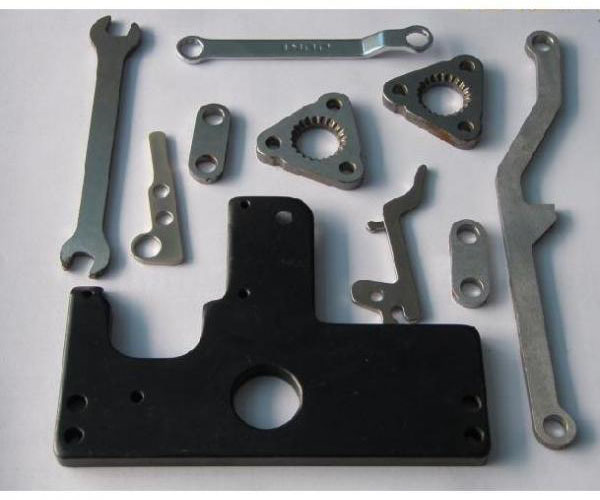
The automotive industry relies heavily on precision, durability, and consistency in every component, and CNC machining auto spare parts stands as a cornerstone technology meeting these demands. From engine cores to chassis components, CNC machining delivers the accuracy and repeatability that modern vehicles require—whether for traditional internal combustion engine (ICE) cars or emerging electric vehicles (EVs). This article is designed for automotive manufacturers, procurement specialists, and engineering teams seeking to deepen their understanding of CNC machining applications in auto spare parts production. We’ll cover fundamental definitions, material selection, process differences, tolerance requirements, advanced machining technologies, post-processing, EV-driven trends, and practical FAQs, integrating real-world case studies and industry data to provide actionable insights.
What Is CNC Machining for Auto Spare Parts?
CNC (Computer Numerical Control) machining for auto spare parts is a subtractive manufacturing process that uses computer-programmed tools to remove material from a workpiece, creating precise, custom components for vehicles. Unlike manual machining, CNC systems automate tool movements via pre-coded G-code, ensuring consistent results across high-volume production runs—critical for automotive applications where part interchangeability is non-negotiable.
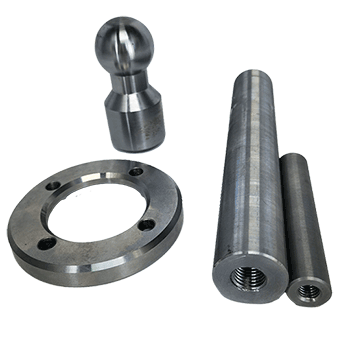
Core Application Scenarios: CNC-machined auto spare parts span every major vehicle system, including: Engine components: Camshafts, crankshafts, cylinder heads, fuel injectorsChassis parts: Control arms, ball joints, steering knuckles, brake calipersTransmission components: Gear shafts, synchronizer rings, clutch platesEV-specific parts: Battery bus bars, motor housings, inverter components
Case Study: A leading European automotive supplier used CNC machining to produce 500,000 steering knuckles annually for mid-size sedans. By automating the process, they reduced dimensional variation to ±0.02mm (well below industry averages) and cut production time per part by 35% compared to manual machining, resulting in a 22% cost savings over three years.
Which Materials Suit CNC-Machined Car Components?
Material selection forCNC machining auto spare parts depends on the component’s function (e.g., load-bearing, heat-resistant, corrosion-resistant), cost constraints, and machining feasibility. Below is a structured breakdown of common materials, their properties, and ideal applications:
| Material Type | Key Properties | Typical Auto Spare Parts | Machining Considerations |
|---|---|---|---|
| Aluminum Alloys (6061, 7075) | Lightweight, good corrosion resistance, high thermal conductivity | Engine blocks, cylinder heads, EV motor housings, wheel hubs | High machinability; requires sharp tools to avoid burring |
| Steel Alloys (4140, 1018) | High strength, durability, wear resistance | Crankshafts, camshafts, control arms, brake rotors | Higher cutting forces; needs coolant to prevent tool wear |
| Stainless Steel (304, 316) | Excellent corrosion resistance, hygiene-friendly | Exhaust components, fuel system parts, under-hood brackets | Tendency to work harden; use low cutting speeds |
| Titanium Alloys (Ti-6Al-4V) | High strength-to-weight ratio, heat-resistant | High-performance engine parts, racing car components | Low thermal conductivity; requires specialized tools and coolants |
| Plastics (Nylon, PEEK) | Lightweight, low friction, chemical resistance | Sensor housings, interior trim parts, fluid lines | Low melting point; use air cooling instead of liquid coolants |
Expert Insight: For EV battery components, aluminum 6061 is preferred due to its lightweight properties (reducing overall vehicle weight and extending range) and excellent machinability, which supports high-volume production. In contrast, heavy-duty truck chassis parts rely on 4140 steel for its superior tensile strength (up to 1000 MPa) and impact resistance.
How Does CNC Turning Differ from CNC Milling in Part Production?
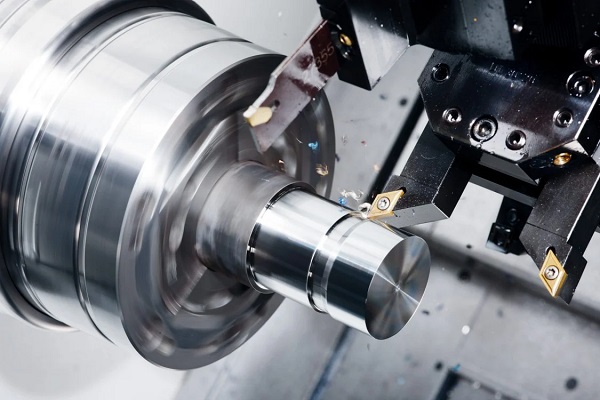
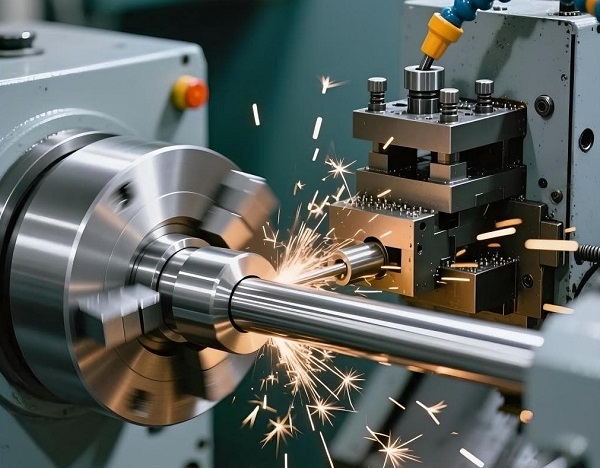
CNC turning and CNC milling are two core processes in CNC machining auto spare parts, but they differ fundamentally in tool-workpiece interaction, ideal part geometries, and applications. Understanding these differences is critical for selecting the right process for a given component.
Core Differences: Turning vs. Milling
| Characteristic | CNC Turning | CNC Milling |
|---|---|---|
| Tool-Workpiece Movement | Workpiece rotates; tool remains stationary (or moves linearly) | Tool rotates; workpiece remains stationary (or moves in multiple axes) |
| Ideal Part Geometry | Cylindrical, rotational parts (e.g., shafts, bolts, bushings) | Prismatic, complex shapes (e.g., brackets, engine blocks, steering knuckles) |
| Cutting Action | Single-point cutting (one cutting edge contacts the workpiece) | Multi-point cutting (multiple edges contact the workpiece simultaneously) |
| Production Speed | Faster for high-volume rotational parts (e.g., 1000+ units/day) | Slower for complex parts but more versatile for custom shapes |
| Typical Auto Applications | Crankshafts, gear shafts, fuel injectors, wheel studs | Cylinder heads, control arms, brake calipers, EV inverter housings |
Case Example: A U.S.-based auto parts manufacturer produces both crankshafts (rotational) and control arms (prismatic) for pickup trucks. They use CNC turning centers for crankshafts, achieving a cycle time of 2.5 minutes per part, and 3-axis CNC milling machines for control arms, with a cycle time of 8 minutes per part. For high-precision crankshafts, they combine turning with milling for keyway cutting—demonstrating how the two processes often complement each other in auto spare part production.
What Tolerances Can Be Held for Critical Engine and Chassis Parts?
Tolerance control is paramount in CNC machining auto spare parts, especially for critical engine and chassis components where even minor dimensional deviations can lead to catastrophic failures (e.g., engine seizing, chassis instability). Tolerances are typically specified in millimeters (mm) or thousandths of an inch (thou), with tighter tolerances requiring more advanced machining equipment and processes.
Tolerance Ranges for Key Auto Components
| Component Type | Typical Tolerance Range | Impact of Poor Tolerance Control | Machining Solutions for Tight Tolerances |
|---|---|---|---|
| Engine Crankshaft (journal diameter) | ±0.005–±0.01 mm | Increased friction, oil leakage, premature bearing failure | High-precision CNC turning, grinding, in-process metrology |
| Chassis Control Arm (mounting holes) | ±0.02–±0.05 mm | Poor wheel alignment, uneven tire wear, reduced handling | 3-axis CNC milling with rigid fixturing, post-machining inspection |
| Fuel Injector Nozzle | ±0.001–±0.003 mm | Inefficient fuel atomization, reduced engine performance, higher emissions | Micro-CNC machining, EDM (Electrical Discharge Machining), laser measurement |
| EV Motor Shaft | ±0.002–±0.008 mm | Vibration, noise, reduced motor efficiency, battery drain | 5-axis CNC turning, balancing, cryogenic treatment (to reduce thermal expansion) |
Industry Data: According to a 2025 report by the Automotive Parts Manufacturers Association (APMA), components with tolerances tighter than ±0.01 mm account for 18% of all CNC-machined auto spare parts, up from 12% in 2020—driven by the growing demand for EVs and high-performance vehicles that require greater precision.
Why Is 5-Axis Machining Becoming Standard for Complex Automotive Shapes?
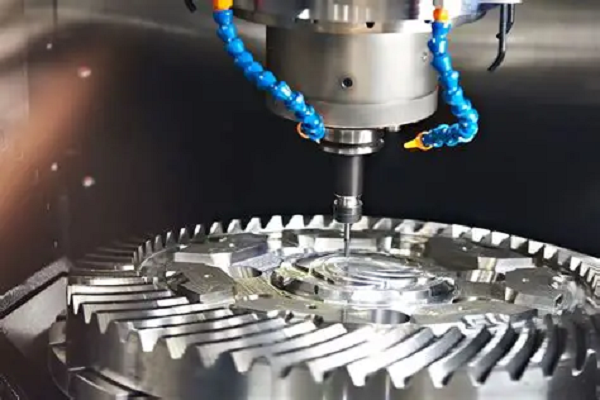
5-axis CNC machining has evolved from a niche technology to a standard in CNC machining auto spare parts, particularly for complex components with irregular geometries. Unlike 3-axis machines (which move along X, Y, Z linear axes), 5-axis machines add two rotational axes (A and B, or A and C), allowing the tool to approach the workpiece from any angle. This versatility addresses key challenges in modern automotive component design.
Key Advantages of 5-Axis Machining for Auto Parts
- Reduced Setups: Complex parts that would require 2–3 setups on a 3-axis machine can be machined in a single setup with 5-axis equipment. For example, a racing car suspension component that previously took 4 hours to produce (with multiple setups) can be completed in 1.5 hours with 5-axis machining, reducing labor costs and setup errors.
- Improved Surface Finish: The ability to adjust the tool angle minimizes tool vibration and ensures consistent cutting speeds, resulting in smoother surface finishes (Ra ≤ 0.8 μm) for components like engine cylinder heads and EV motor housings—critical for reducing friction and improving performance.
- Enhanced Access to Complex Features: 5-axis machines can reach undercuts, cavities, and angled holes that are impossible for 3-axis machines. For example, the complex internal geometries of EV battery cooling manifolds can only be machined accurately with 5-axis technology.
- Higher Precision for Asymmetric Parts: Asymmetric components (e.g., steering knuckles, transmission cases) require precise alignment across multiple axes. 5-axis machining eliminates cumulative errors from multiple setups, ensuring dimensional accuracy.
Case Study: A German luxury car manufacturer switched to 5-axis machining for producing aluminum engine cylinder heads. The transition reduced setup time by 60%, improved dimensional accuracy by 40%, and cut scrap rates from 8% to 2%. Additionally, the improved surface finish of the cylinder head’s combustion chambers increased engine efficiency by 5%—a significant gain for meeting strict emissions regulations.
Industry Trend: According to Grand View Research, the global 5-axis CNC machining market for automotive applications is expected to grow at a CAGR of 7.2% from 2025 to 2030, driven by the increasing complexity of EV components and the demand for lightweight materials (which require more precise machining to maintain strength).
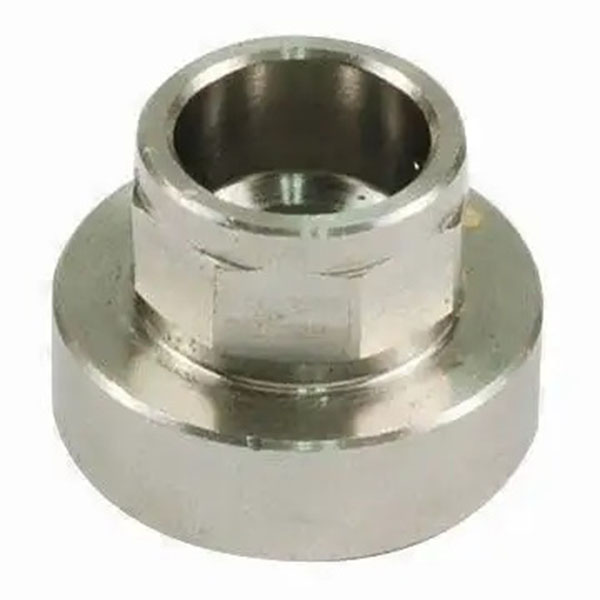
Which Post-Process Treatments Ensure Corrosion Resistance for Under-Hood Parts?
Under-hood auto spare parts (e.g., engine brackets, fuel lines, exhaust components) operate in harsh environments—exposed to heat, moisture, oil, and road salts—making corrosion resistance a critical requirement. Post-process treatments for CNC machining auto spare parts not only protect against corrosion but also enhance wear resistance, fatigue strength, and aesthetic appeal.
Common Post-Process Treatments for Under-Hood Parts
| Treatment Type | Process Overview | Corrosion Resistance Performance | Ideal Under-Hood Applications | Cost Consideration |
|---|---|---|---|---|
| Anodizing (Aluminum Parts) | Electrochemical process that creates a hard, porous oxide layer on aluminum surfaces; can be dyed for color | Excellent (resists salt spray for 1000+ hours per ASTM B117) | Engine brackets, EV motor housings, heat sinks | Low to moderate |
| Powder Coating | Electrostatic application of dry powder, followed by curing at high temperatures to form a hard coating | Very Good (resists salt spray for 500–1000 hours) | Exhaust manifolds, suspension components, fuel tank brackets | Moderate |
| Zinc Plating (with Chromate Conversion) | Electroplating process that deposits a zinc layer; chromate conversion adds a protective topcoat | Good (resists salt spray for 200–500 hours) | Steel bolts, nuts, brake caliper hardware | Low |
| Electroless Nickel Plating | Chemical plating process that deposits a uniform nickel-phosphorus layer without electricity | Excellent (resists salt spray for 1000+ hours; heat-resistant up to 400°C) | Fuel injectors, turbocharger components, engine valves | High |
| Ceramic Coating | Application of ceramic-based material via spraying or dipping; cures to form a heat- and corrosion-resistant layer | Very Good (resists salt spray for 800–1200 hours; heat-resistant up to 1200°C) | Exhaust headers, turbocharger housings | High |
Expert Recommendation: For cost-sensitive under-hood steel parts (e.g., bolts, brackets), zinc plating with chromate conversion is the most economical option. For high-heat components (e.g., turbocharger parts) or EV battery components that require both corrosion resistance and electrical conductivity, electroless nickel plating is preferred. For aluminum EV motor housings, anodizing is ideal due to its combination of corrosion resistance, lightweight properties, and cost-effectiveness.
How Will Electric-Vehicle Trends Redefine the CNC Spare-Part Portfolio?
The global shift to electric vehicles (EVs) is reshaping the landscape of CNC machining auto spare parts, driving demand for new component types while reducing the need for traditional ICE-related parts. This transition requires automotive manufacturers and CNC shops to adapt their portfolios to meet the unique needs of EV technology—focused on lightweighting, high precision, and thermal management.
Key EV-Driven Changes to CNC-Machined Auto Spare Parts
- Growth in EV-Specific Components: EVs require specialized CNC-machined parts that are not used in ICE vehicles, including: According to the International Energy Agency (IEA), global EV sales are expected to reach 35 million by 2030, driving a 60% increase in demand for CNC-machined EV components by that year.
- Battery components: Bus bars, battery cell holders, cooling manifolds, battery enclosures
- Electric motor components: Motor housings, stator cores, rotor shafts, commutators
- Power electronics components: Inverter housings, converter brackets, heat sinks
- Reduced Demand for ICE Components: As EV adoption grows, demand for traditional ICE parts (e.g., crankshafts, camshafts, fuel injectors) will decline. A 2025 study by McKinsey predicts that ICE-related CNC-machined parts will account for only 45% of the automotive CNC market by 2030, down from 75% in 2020.
- Focus on Lightweight Materials: EV range is heavily influenced by vehicle weight, so manufacturers are prioritizing lightweight materials (e.g., aluminum, magnesium, carbon fiber composites) for CNC-machined parts. For example, aluminum battery enclosures are 50% lighter than steel equivalents, extending EV range by up to 10%.
- Tighter Tolerances for High-Efficiency Motors: EV motors require extremely tight tolerances (±0.002–±0.008 mm) to minimize energy loss and maximize efficiency. This is driving demand for high-precision 5-axis CNC machining and advanced metrology tools.
- Thermal Management Components: EV batteries and power electronics generate significant heat, requiring CNC-machined cooling components (e.g., liquid cooling manifolds, heat sinks) with complex internal channels. These components often require 5-axis machining to achieve the necessary geometries.
Case Study: A Chinese CNC machining company specializing in auto parts shifted 40% of its production capacity to EV components between 2022 and 2025. They invested in 5-axis CNC machines to produce aluminum battery enclosures and motor housings for domestic EV manufacturers. This shift increased their revenue by 55% and reduced their reliance on declining ICE part orders. Additionally, they implemented a quality control system focused on tight tolerances (±0.005 mm) for motor shafts, resulting in a 98% customer satisfaction rate.
Conclusion
CNC machining auto spare parts is a critical enabler of the modern automotive industry, providing the precision, consistency, and versatility required for both traditional ICE vehicles and emerging EVs. From material selection and process optimization to tolerance control and post-processing, every aspect of CNC machining plays a vital role in ensuring the performance, durability, and safety of automotive components. As the industry shifts toward electrification, CNC shops and automotive manufacturers must adapt by focusing on EV-specific components, lightweight materials, and advanced machining technologies (e.g., 5-axis machining) to remain competitive.
By understanding the key insights covered in this article—including the differences between turning and milling, the importance of tight tolerances for critical components, and the impact of EV trends—manufacturers can make informed decisions about their CNC machining strategies, improve product quality, and meet the evolving needs of the automotive market.
FAQ About CNC Machining Auto Spare Parts
Q1: What is the typical lead time for CNC machining auto spare parts? Lead time varies based on part complexity, volume, and material. For low-volume (1–100 units) complex parts (e.g., 5-axis machined motor housings), lead time is 2–4 weeks. For high-volume (1000+ units) simple parts (e.g., steel bolts), lead time is 1–2 weeks. Rush orders can often be fulfilled in 1–2 weeks for low volume with expedited production.
Q2: How does CNC machining ensure consistency across high-volume auto part production? CNC machining uses computer-programmed G-code to automate tool movements, eliminating human error. Additionally, in-process metrology tools (e.g., laser sensors, touch probes) monitor dimensional accuracy during production, making real-time adjustments to maintain consistency. For high-volume runs, manufacturers also use rigid fixturing to secure workpieces and prevent movement.
Q3: Can CNC machining be used for prototype auto spare parts? Yes, CNC machining is ideal for prototype auto parts. It offers fast turnaround times (1–5 days for simple prototypes), high precision, and the ability to use production-grade materials—allowing manufacturers to test form, fit, and function before mass production. For very low-volume prototypes (1–5 units), 3-axis CNC machines are often used, while 5-axis machines are used for complex prototype geometries.
Q4: What factors affect the cost of CNC machining auto spare parts? Key cost factors include: material type (titanium is more expensive than aluminum), part complexity (5-axis machining costs more than 3-axis), tolerance requirements (tighter tolerances increase cost), volume (high volume reduces per-unit cost), and post-processing (electroless nickel plating is more expensive than zinc plating).
Q5: How does EV technology impact the choice of materials for CNC-machined auto parts? EV technology prioritizes lightweight materials (aluminum, magnesium) to extend range, so these materials are increasingly used for CNC-machined parts (e.g., battery enclosures, motor housings). Additionally, EV components require materials with good thermal conductivity (for heat management) and electrical conductivity (for battery and power electronics parts), further influencing material selection.
Get parts manufacturing quote with Moshijia
At Moshijia Technology, we specialize in CNC machining auto spare parts for both traditional ICE vehicles and electric vehicles. With over 15 years of experience in the automotive manufacturing industry, we combine advanced machining technology (including 5-axis CNC machines, high-precision turning centers, and in-process metrology tools) with deep material expertise to deliver high-quality, consistent components that meet the strictest automotive standards.
Our team of certified engineers works closely with automotive manufacturers and procurement specialists to understand their unique needs—whether it’s producing high-volume steering knuckles, complex EV battery enclosures, or tight-tolerance fuel injectors. We offer a full range of post-process treatments (anodizing, powder coating, electroless nickel plating) to ensure corrosion resistance and performance for under-hood and other critical components.
As EV trends reshape the automotive industry, Moshijia Technology is at the forefront of adapting our capabilities to meet the demand for EV-specific CNC-machined parts. We have invested in state-of-the-art 5-axis machining equipment and quality control systems to produce lightweight, high-precision components that enhance EV range and efficiency.
To get a customized parts manufacturing quote, contact Moshijia Technology today. Our team will provide a detailed analysis of your project requirements, recommend the optimal materials and processes, and deliver a competitive quote with transparent pricing and lead time. Partner with Moshijia for reliable, high-quality CNC machining solutions that drive your automotive production forward.