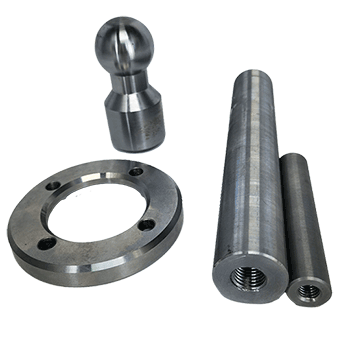
In the dynamic realm of modern manufacturing, precision, efficiency, and innovation are the driving forces behind success. Amidst a wide array of advanced manufacturing methods, Computer Numerical Control (CNC) machining has emerged as a revolutionary technology that has significantly transformed the manufacturing landscape. But what precisely is CNC machining, and how has it brought about such a profound change in the manufacturing industry? This article will delve deep into the world of CNC machining, exploring its fundamental concepts, the machinery involved, its numerous advantages, diverse applications across various industries, and the challenges it encounters.
Decoding the Basics of CNC Machining
At its essence, CNC machining is a subtractive manufacturing process. It involves the use of computer – controlled machine tools to precisely remove material from a workpiece, thereby shaping it into the desired form. Unlike traditional manual machining, where operators directly control the movement of the cutting tools, CNC machining relies on a pre – programmed set of instructions that guide the machine’s movements with extreme accuracy.
The Machinery in CNC Machining
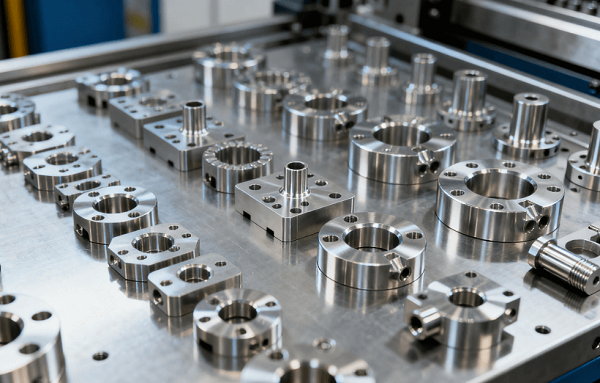
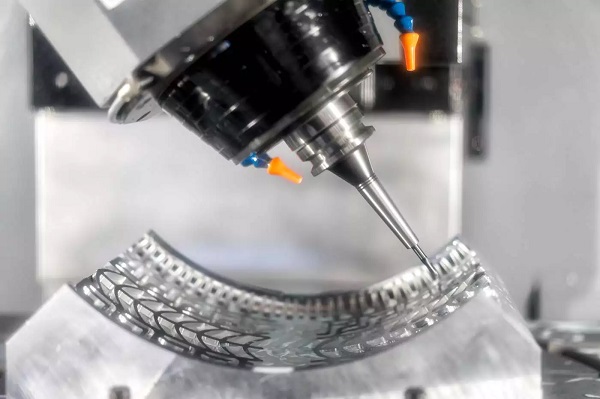
- CNC Mills: CNC mills are versatile machines capable of performing a wide range of operations such as milling, drilling, boring, and tapping. They consist of a spindle that holds the cutting tool and rotates it at high speeds. The workpiece is securely mounted on a worktable that can move along multiple axes, typically the X, Y, and Z axes. This multi – axis movement allows for the creation of complex three – dimensional shapes. For example, in the production of a custom – designed mechanical part with intricate cavities and protrusions, a CNC mill can precisely carve out the desired features by moving the cutting tool along the programmed paths.
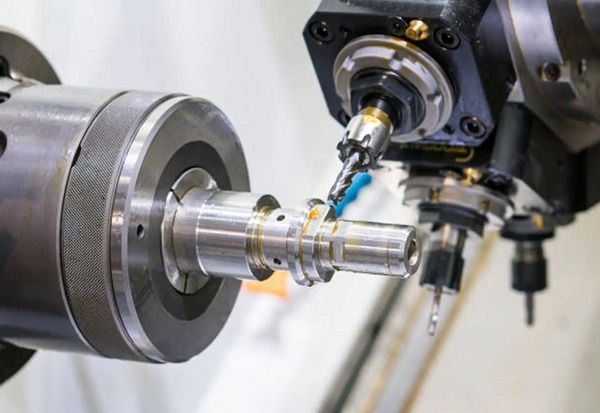
- CNC Lathes: CNC lathes are primarily used for turning operations. In this process, the workpiece is held and rotated on a spindle, while a non – rotating cutting tool is brought into contact with the spinning workpiece. As the workpiece rotates, the cutting tool moves along the length (Z – axis) and radius (X – axis) of the workpiece, removing material to create cylindrical shapes, tapers, threads, and other rotational features. In the manufacturing of shafts for engines, CNC lathes can accurately machine the required diameters, lengths, and surface finishes.
- CNC Routers: CNC routers are often used for working with materials such as wood, plastic, and foam. They use a rotating cutting tool to remove material from the workpiece, similar to a CNC mill. However, they are typically more suitable for larger – scale projects and materials that require less precision compared to CNC mills. For instance, in the production of custom – made wooden furniture components or signage, CNC routers can efficiently cut and shape the materials according to the design specifications.
The Inner Workings of CNC Machining
- Design Creation: The journey of CNC machining begins with the creation of a detailed 3D model of the part to be produced using Computer – Aided Design (CAD) software. The CAD model serves as the digital blueprint, precisely defining the part’s dimensions, shape, and any intricate details. This digital representation is crucial as it provides the basis for all subsequent steps in the machining process.
- CAM Programming: Once the CAD model is complete, it is imported into Computer – Aided Manufacturing (CAM) software. The CAM software analyzes the CAD model and generates a toolpath. This toolpath is a set of instructions that tells the CNC machine how to move the cutting tool to remove material from the workpiece to achieve the desired shape. The toolpath takes into account factors such as the type of cutting tool, the material being machined, the desired surface finish, and the machining operations to be performed. For example, if the part requires milling, drilling, and tapping operations, the CAM software will generate a toolpath that sequences these operations in the most efficient manner.
- Machine Setup: After the toolpath is generated, the CNC machine needs to be set up. This involves installing the appropriate cutting tools in the machine’s tool holder, securing the workpiece onto the machine’s worktable, and calibrating the machine’s axes. The operator also enters the necessary machining parameters into the machine’s control system, such as the spindle speed, feed rate (the speed at which the cutting tool moves along the workpiece), and depth of cut. These parameters are carefully selected based on the material being machined, the type of cutting tool, and the desired machining results.
- Machining Execution: Once the machine is set up, the machining process commences. The CNC machine reads the program and precisely moves the cutting tool along the toolpath, removing material from the workpiece layer by layer. The machine’s control system continuously monitors and adjusts the movement of the cutting tool to ensure that each cut is made with the highest level of accuracy. During the machining process, the operator may also monitor the operation to ensure that everything is running smoothly and that the part is being produced to the required specifications.
- Quality Assurance: After the machining process is completed, the part undergoes rigorous quality control checks. This may involve measuring the dimensions of the part using precision measuring instruments to ensure they match the specifications in the CAD model. The surface finish of the part is also inspected to ensure it meets the desired quality standards. Additionally, the part may be subjected to various tests, such as functional testing, to ensure that it performs as intended.
The Multifaceted Advantages of CNC Machining
- Exceptional Precision and Accuracy
CNC machining is renowned for its ability to achieve an extremely high level of precision and accuracy. The computer – controlled movement of the cutting tools enables cuts to be made within tight tolerances, often in the range of ±0.001 inches or even less. This level of precision is of utmost importance in industries such as aerospace, medical, and electronics. In the aerospace industry, components like turbine blades and aircraft engine parts require precise machining to ensure optimal performance and safety. A minute deviation in the dimensions of these components could lead to catastrophic failures.
- Enhanced Efficiency and Productivity
Compared to traditional manual machining, CNC machining offers significant efficiency and productivity gains. The automated nature of the process allows for continuous machining without the need for constant operator intervention. CNC machines can operate at high speeds, reducing the time required to complete a job. Additionally, the ability to perform multiple machining operations in a single setup, such as milling, drilling, and tapping, further increases productivity. In a production environment, a CNC machine can produce hundreds or even thousands of identical parts in a relatively short period.
- Creation of Complex Geometries
CNC machining has the capability to produce parts with highly complex geometries and intricate designs. With the use of multi – axis machines and advanced programming techniques, it is possible to create parts with undercuts, complex curves, and detailed features that would be extremely difficult or impossible to achieve through manual machining. For example, in the medical industry, custom – made implants often require complex shapes to fit the patient’s anatomy precisely. CNC machining can accurately produce these implants, ensuring a better fit and improved patient outcomes.
- Consistent Quality and Repeatability
CNC machining ensures consistent quality and repeatability in part production. Since the machining process is controlled by a computer program, each part produced will have the same dimensions and characteristics as long as the program remains unchanged. This is particularly crucial in industries where large quantities of identical parts are required, such as the automotive industry. Automotive manufacturers rely on CNC machining to produce engine components, transmission parts, and brake components with consistent quality and precision.
- Flexibility and Customization
CNC machining offers a high degree of flexibility and customization. With the ability to quickly change the computer program, manufacturers can easily switch between producing different parts or making modifications to existing designs. This makes it possible to produce small batches of customized parts as well as large production runs. For instance, a company that specializes in producing custom – made jewelry can use CNC machining to create unique designs with high precision and detail.
Diverse Applications of CNC Machining Across Industries
- Aerospace Industry
The aerospace industry is one of the major beneficiaries of CNC machining technology. The complex geometries, tight tolerances, and high – quality requirements of aerospace components make CNC machining an ideal manufacturing method. CNC machining is used to produce a wide range of aerospace parts, including turbine blades, engine casings, landing gear components, and aircraft structural parts. Turbine blades, for example, are made from high – strength alloys and require precise machining to ensure efficient engine performance. CNC machines can accurately shape these blades, taking into account factors such as aerodynamics and heat resistance.
- Medical Industry
In the medical industry, CNC machining plays a crucial role in the production of various medical devices and components. The need for precision and biocompatibility in medical products makes CNC machining an essential technology. CNC machining is used to produce surgical instruments, orthopedic implants, dental prosthetics, and medical device housings. Orthopedic implants, such as hip and knee replacements, need to be precisely machined to fit the patient’s anatomy and provide long – term functionality. CNC machining allows for the production of implants with complex shapes and smooth surfaces, ensuring a better fit and reduced risk of complications.
- Automotive Industry
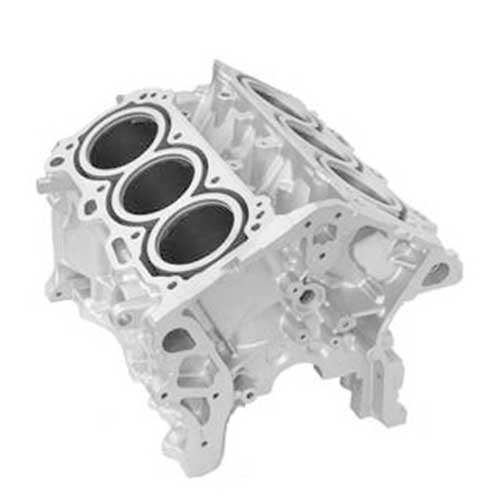
The automotive industry benefits greatly from CNC machining in the production of engine components, transmission parts, brake components, and other critical automotive parts. CNC machining enables the production of parts with high precision and tight tolerances, which is essential for the performance and reliability of vehicles. Engine blocks, cylinder heads, crankshafts, and transmission gears are some of the automotive components commonly produced using CNC machining. Engine blocks, for example, need to be machined with precise bore diameters and surface finishes to ensure proper engine operation and reduce friction. CNC machines can achieve the required precision, resulting in more efficient and reliable engines.
- Electronics Industry
In the electronics industry, CNC machining is used to produce components such as connectors, enclosures, heat sinks, and printed circuit board (PCB) fixtures. The need for precision and miniaturization in electronics products makes CNC machining a valuable manufacturing method. CNC machines can accurately machine small and intricate parts from materials such as aluminum, copper, and plastics, which are commonly used in electronics applications. Heat sinks, for example, are designed to dissipate heat from electronic components, and their effectiveness depends on their precise shape and surface area. CNC machining allows for the production of heat sinks with complex fin designs and precise dimensions, ensuring efficient heat transfer.
- Consumer Goods Industry
The consumer goods industry also makes extensive use of CNC machining in the production of a wide range of products. From the casings of smartphones and tablets to the components of high – end kitchen appliances and luxury watches, CNC machining can create parts with high precision and aesthetic appeal. In the production of luxury watches, for example, CNC machining is used to machine the gears, shafts, and cases with extreme precision, ensuring the accurate movement of the watch and its durability.
Challenges and Considerations in CNC Machining
- High Initial Investment
One of the primary challenges associated with CNC machining is the significant initial investment required. CNC machines, especially those with advanced features and multi – axis capabilities, can be quite expensive to purchase. Additionally, the cost of software, training, and maintenance also adds to the overall investment. However, the long – term benefits of increased productivity, precision, and quality often offset the initial cost. Manufacturers need to carefully assess their production requirements and budget before investing in a CNC machine.
- Skilled Workforce Requirement
CNC machining demands a skilled workforce that is proficient in programming the machines and understanding machining principles. The programming language used in CNC machining, such as G – code, can be complex and requires substantial training to master. In addition to programming, operators also need to have a good understanding of tool selection, cutting parameters, and workpiece setup. Lack of proper training and experience can lead to errors in programming and machining, resulting in poor – quality parts or even damage to the machine. Therefore, manufacturers need to invest in training programs for their operators to ensure optimal performance of the CNC machines.
- Tool Wear and Maintenance
The cutting tools used in CNC machining are subject to wear and tear during the machining process. Tool wear can affect the quality of the machined parts and increase the risk of tool breakage. Regular monitoring of tool wear and timely replacement of worn – out tools are essential to maintain the accuracy and efficiency of the machining process. Additionally, the CNC machine itself requires regular maintenance, including lubrication, calibration, and inspection of components, to ensure its proper functioning. Neglecting tool wear and machine maintenance can lead to increased downtime and higher production costs.
- Material Compatibility
Not all materials are equally suitable for CNC machining. Some materials, such as hardened steels, certain composites, and exotic alloys, can be difficult to machine and may require specialized cutting tools and techniques. Additionally, the choice of material can also impact the machining parameters, such as feed rate, spindle speed, and depth of cut. Manufacturers need to carefully consider the material properties and machining requirements when selecting a material for CNC machining. In some cases, it may be necessary to conduct trial runs or consult with experts to determine the best machining approach for a particular material.
The Promising Future of CNC Machining
As technology continues to advance at a rapid pace, CNC machining is expected to become even more sophisticated and efficient. Some of the trends that are likely to shape the future of CNC machining include:
- Increased Automation
The integration of artificial intelligence (AI) and machine learning (ML) technologies into CNC machines is anticipated to drive increased automation. AI – powered systems can analyze machining data in real – time, adjust cutting parameters, and predict tool wear, leading to improved efficiency and reduced downtime. Additionally, the use of robotic systems for workpiece handling and tool changing will further enhance the automation of the CNC machining process.
- Advanced Materials and Machining Techniques
The development of new materials, such as advanced composites, high – strength alloys, and nanomaterials, will necessitate the creation of new machining techniques. CNC machines will need to be equipped with more powerful spindles, specialized cutting tools, and advanced cooling systems to effectively machine these materials. Research into innovative machining techniques, such as cryogenic machining, ultrasonic – assisted machining, and electrochemical machining, is also likely to lead to improvements in the machining of difficult – to – cut materials.
- Enhanced Connectivity and Data Management
CNC machines will become more connected, enabling seamless integration into smart factories. The ability to collect and analyze machining data in real – time will empower manufacturers to optimize production processes, improve quality control, and make data – driven decisions. Cloud – based manufacturing platforms will also allow for remote monitoring and control of CNC machines, increasing flexibility and efficiency.
- Miniaturization and Ultra – Precision
As the demand for smaller and more precise components continues to grow, CNC machines will need to be capable of achieving even higher levels of precision. Advances in machine design, such as improved motion control systems, high – resolution sensors, and advanced feedback mechanisms, will enable the production of parts with sub – micron level tolerances. This will open up new opportunities for applications in fields such as microelectronics, medical devices, and nanotechnology.
In conclusion, CNC machining is a powerful and versatile manufacturing technology that has had a profound impact on various industries. Its ability to achieve high precision, efficiency, and flexibility makes it an essential tool for producing complex and high – quality parts. While there are challenges associated with CNC machining, such as high initial investment and the need for a skilled workforce, the benefits far outweigh the drawbacks. As technology continues to evolve, CNC machining is expected to play an even more significant role in the future of manufacturing, enabling the production of innovative products with unprecedented precision and efficiency.