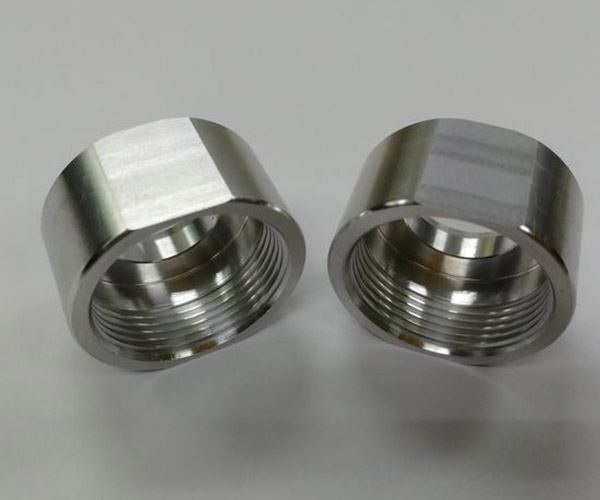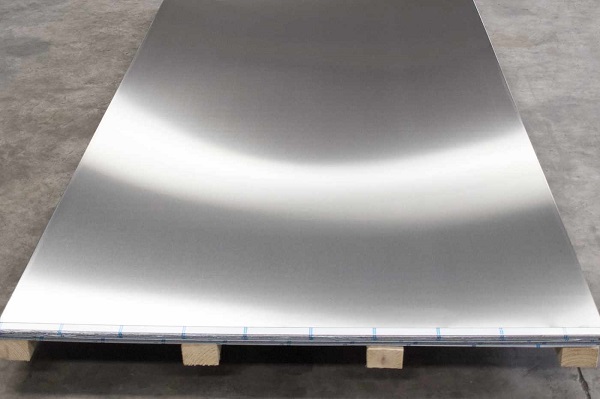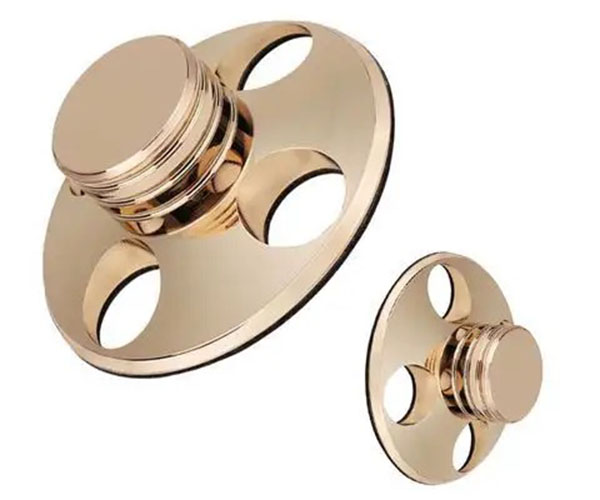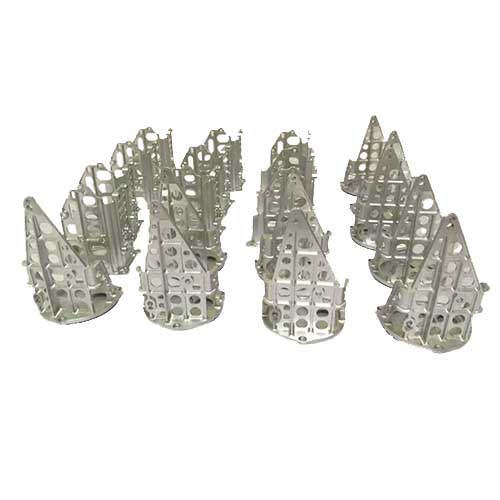

If you’re wondering what CNC steel machining is and how it can benefit your projects, you’re in the right place. Simply put, CNC steel machining uses computer-controlled machines to shape steel—one of the strongest manufacturing materials—into precise parts. It’s the go-to process for industries like automotive, aerospace, and medical devices where accuracy and durability matter most. Whether you’re a hobbyist making small parts or a manufacturer producing high-volume components, this guide breaks down everything you need to know to use CNC steel machining effectively.
How CNC Steel Machining Works: From Design to Final Part
The CNC steel machining process starts with a digital plan and ends with a physical part—here’s a step-by-step breakdown that’s easy to follow:
First, engineers or designers create a 3D model of the part using CAD (Computer-Aided Design) software like SolidWorks or AutoCAD. This model isn’t just a picture; it includes every detail, from dimensions to tolerances (how precise the part needs to be). For example, if you’re making an automotive bolt, the CAD model will specify the bolt’s length, thread size, and even how smooth the surface should be.
Next, the CAD file is converted to a CAM (Computer-Aided Manufacturing) program. This program translates the 3D design into a set of instructions (called G-code) that the CNC machine can understand. Think of G-code as a recipe—it tells the machine where to move, which tool to use, and how fast to cut.
Once the program is loaded, the steel workpiece (usually a block, sheet, or tube) is secured in the CNC machine using workholding devices like vises or chucks. The machine then follows the G-code precisely: its cutting tools (such as end mills or drills) move along multiple axes (often 3, 4, or 5 axes) to remove material from the steel. The result? A part that matches the digital design down to tiny measurements—sometimes as precise as ±0.01 mm.
A real-world example: An aerospace manufacturer making engine mountings might use 5-axis CNC machining. This allows the machine to reach all sides of the steel workpiece without repositioning it, ensuring the mountings meet the strict tolerances needed for safe flight.
Key Operations in CNC Steel Machining
CNC steel machining isn’t just one process—it includes several operations tailored to make specific shapes or features. Below are the most common ones, with practical uses:
Cutting Processes
- Turning: Uses a lathe to spin the steel workpiece while a cutting tool shapes it. Ideal for cylindrical parts like shafts or spindles. For instance, a bike manufacturer might use turning to make the steel axles for wheels, ensuring they have exact diameters.
- Milling: Uses rotating tools to carve complex shapes, slots, or pockets into steel. It’s perfect for parts like gearboxes or brackets. A furniture maker, for example, could use milling to create custom steel brackets that hold table legs together.
- Drilling: Creates round holes with precise depth and diameter. Think of the bolt holes in a steel fence panel—drilling ensures those holes line up perfectly for assembly.
- Grinding: Uses an abrasive wheel to smooth surfaces and tighten tolerances. Medical device makers often use grinding to finish surgical steel instruments, making them safe and easy to sterilize.
Forming Processes
- Bending: Uses a press brake to fold steel sheets into angles or curves. A construction company might bend steel to make the frames for a building’s windows.
- Stamping: Presses a die into steel to make high-volume parts quickly. Car manufacturers use stamping to produce steel body panels, as it’s fast and consistent.
Steel Types and Grades for CNC Machining
Not all steel is the same—choosing the right grade is critical for your part’s performance. Below is a table of the most common steel types, their properties, and uses:
| Steel Type | Common Grades | Key Properties | Typical Applications |
| Stainless Steel | 304, 316 | Corrosion-resistant, strong | Kitchen appliances, marine parts |
| Carbon Steel | 1018, 1045 | Easy to machine, affordable | Bolts, shafts, mounting plates |
| Alloy Steel | 4130, 4140 | High strength, tough | Aircraft engine parts, gears |
| Tool Steel | D2, A2 | Wear-resistant, hard | Cutting tools, molds |
Pro tip: If you’re new to CNC steel machining, start with 1018 carbon steel. It’s the easiest to machine (thanks to its low carbon content) and won’t wear down your tools quickly. For parts that need to resist rust—like outdoor furniture—304 stainless steel is a better choice.
Tools and Equipment for CNC Steel Machining
To get the best results from CNC steel machining, you need the right tools. Here’s a breakdown of the essentials:
Cutting Tools
- End Mills: For milling—choose carbide end mills for harder steels (like tool steel) because they’re more durable than high-speed steel (HSS) options.
- Drills: Use twist drills for making holes; for precise holes, follow up with a reamer to smooth the inside.
- Taps and Dies: For creating threads (like those on a screw). Taps make internal threads (inside a hole), while dies make external threads (on a rod).
Workholding Devices
- Vises: Clamp down flat steel workpieces to keep them stable during machining.
- Chucks: Secure cylindrical parts (like shafts) for turning operations.
Measuring Tools
- Calipers: For quick measurements of length or width—digital calipers are easy to read for beginners.
- CMM (Coordinate Measuring Machine): For high-precision inspections. Manufacturers use CMMs to check if parts meet tight tolerances, like those in medical devices.
Advantages of CNC Steel Machining
Why choose CNC steel machining over other processes? Here are the top benefits:
- Precision: CNC machines can produce parts with tolerances as tight as ±0.01 mm—critical for industries like aerospace, where even a tiny mistake can cause failure.
- Productivity: CNC machines run 24/7 with minimal supervision. A manufacturer can produce 100 steel brackets in a day with CNC, compared to just 20 with manual machining.
- Reduced Waste: The precision of CNC means less material is wasted. For example, when machining a steel gear, the CNC machine only removes the exact amount of material needed, saving money on steel costs.
- Versatility: You can make almost any shape—from simple bolts to complex engine parts—with the same CNC machine, just by changing the program.
Challenges and How to Overcome Them
CNC steel machining has its hurdles, but they’re easy to fix with the right approach:
- Tool Wear: Hard steels (like D2 tool steel) can wear down tools quickly. Solution: Use carbide tools and apply coolant during machining. Coolant reduces heat, which slows tool wear.
- Thermal Distortion: The heat from cutting can warp steel parts. Solution: Use a coolant system to keep the workpiece cool, or machine the part in smaller steps to reduce heat buildup.
- Programming Complexity: Writing G-code for complex parts can be tricky. Solution: Use user-friendly CAM software (like Fusion 360) that has pre-built templates for common parts.
How to Choose a CNC Steel Machining Service
If you don’t have your own CNC machine, hiring a service is a great option. Here’s what to look for:
- Experience: Choose a service that has worked with your steel type. For example, if you need 316 stainless steel parts, ask if they’ve made marine components before.
- Quality Assurance: Look for services with certifications like ISO 9001—this means they follow strict quality standards.
- Lead Times: Ask how long it will take to get your parts. Most services can deliver simple parts (like bolts) in 3–5 days.
- Cost: Get quotes from 2–3 services, but don’t just pick the cheapest. A slightly higher price might mean better quality (which saves you money in the long run if parts don’t fail).
Moshijia Technology’s View on CNC Steel Machining
At Moshijia Technology, we believe CNC steel machining is the backbone of modern manufacturing. It balances precision and efficiency, making it possible to create parts that were once impossible with manual methods. We often recommend 304 stainless steel for clients in the food or medical industries because of its corrosion resistance, and 1018 carbon steel for prototyping (it’s fast and affordable). The key to success, we’ve found, is collaboration—working closely with clients to choose the right steel grade and design parts that are easy to machine. This not only reduces costs but also ensures parts meet their exact needs.
FAQ About CNC Steel Machining
- Can all steel be CNC machined?
Most steels can be machined, but harder grades (like D2 tool steel) require specialized tools (carbide) and slower cutting speeds.
- How much does CNC steel machining cost?
Costs vary—simple parts (like a 1018 steel bolt) might cost \(5–\)10 each, while complex parts (like an aerospace component) could cost $100+. Factors include material, part complexity, and volume.
- What’s the minimum wall thickness for CNC machined steel parts?
Most machines can handle walls as thin as ±0.8 mm (±0.03”), but thinner walls may warp during machining—stick to 1 mm or thicker for durability.
- How do I reduce CNC steel machining costs?
Simplify your design (fewer complex features mean less machining time), use cheaper steel grades (like 1018 instead of 316), and order in larger volumes (to get bulk discounts).