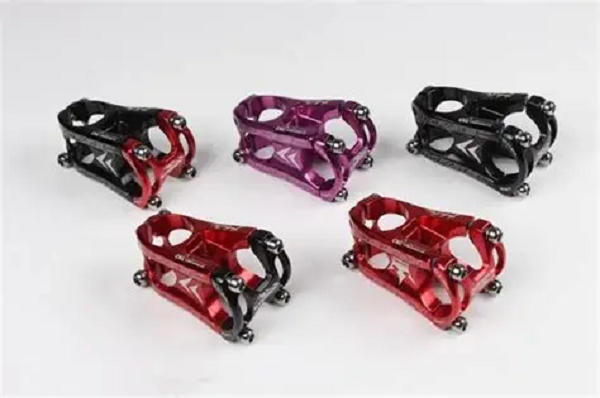
Looking for CNC bicycle parts that are lighter, stronger, and precisely tailored to your ride? We cover materials, manufacturing methods, finishes, and how custom components elevate performance.
Introduction
You know that feeling when a component just feels right? The shift is crisp. The crank spins true. The stem holds your bars exactly where you want them. That is not an accident. That is precision engineering.
CNC bicycle parts represent the pinnacle of bike component manufacturing. From machined aluminum stems to titanium spindles, these parts deliver performance that mass-produced castings cannot match.
But here is the thing—CNC is not just for elite racers anymore. Custom builders, small brands, and even individual riders now access CNC technology to create components tailored to specific needs. Whether you want unique aesthetics, weight savings, or geometry that fits your body perfectly, CNC delivers.
This guide covers everything you need to know. We explain what CNC bike parts are, why riders choose them, which alloys perform best, how finishes protect against the elements, and when custom parts make sense.
What Are CNC Bicycle Parts?
Let us start with a clear definition. CNC bicycle parts are components manufactured using computer-controlled machine tools. The process removes material from solid stock—aluminum, titanium, steel—to create precise shapes that meet exact specifications .
Unlike casting, where molten metal pours into molds, or forging, where heated metal is pressed into shape, CNC machining starts with a solid block. The machine removes everything that does not look like the final part.
What makes CNC special for bike parts?
- Micron-level precision: Tolerances down to ±0.02 mm keep bearing seats concentric and pivots smooth
- Complex geometries: Multi-axis machining creates hidden cable ports, sculpted brake arms, and lattice stiffeners in one setup
- Material purity: No porosity or inclusions from casting processes
- Design freedom: Changes require software updates, not new tooling
A German brand called Actofive takes this to the extreme. Their signature cranks start as solid 7075 aluminum. Each arm requires about 3.8 kg of material. After machining, the finished part weighs a fraction of that. The two hollow halves are then bonded together—like an Easter egg—creating a lightweight, incredibly stiff structure .
Why Do Cyclists Choose CNC Components?
Why spend more on machined parts when standard components work?
Weight Savings Without Sacrifice
CNC machining removes material only where it is not needed. Engineers optimize every gram. Compare a cast motor housing to a CNC-machined version. The machined case can be 20–30% lighter while maintaining strength .
One real example: Replacing a cast e-bike motor shell with a pocket-milled 6061 case cut weight by 210 grams. It also lowered peak operating temperature by 8°C on test climbs .
Strength Where It Matters
Forged parts have their place. But CNC machining from high-quality billet ensures consistent material properties throughout. No voids. No weak spots.
Some argue that forging produces stronger parts because grain structure follows the part shape. But billet material has grain too—it runs uniformly along the stock. For many applications, properly designed machined parts exceed requirements .
Perfect Fit
Standard parts are one-size-fits-most. CNC parts fit your bike exactly. Bottom brackets align perfectly. Brake mounts sit square. Stems position bars precisely where you want them.
The precision matters. ±0.02 mm accuracy keeps bearing seats concentric and drivetrains quiet. Riders feel the difference in crisp power transfer and longer component life .
Aesthetics That Stand Out
There is something about machined surfaces. The tool marks catch light differently than paint. The material itself becomes the finish. Actofive describes their cranks as having a “woodgrain-like machined aesthetic” that is unique to CNC .
Rapid Iteration
For builders and brands, CNC enables fast development. Design changes that would take weeks and thousands in tooling costs become software updates. You can test a prototype this week, refine it, and run production next week .
Which Bike Parts Get CNC Machined?
Almost every component on a bike can be CNC machined. Here are the most common.
Stems and Handlebars
Stems benefit tremendously from CNC. Complex clamp geometries, weight-saving cutouts, and precise alignment features are easy with multi-axis machining. Custom lengths and angles become practical.
Cranks and Chainrings
Cranks see high stress. Every pedal stroke loads the arms. CNC machining from 7075 aluminum or titanium creates cranks that are both light and strong.
Actofive’s two-piece hollow construction shows what is possible. Each arm is machined in halves, then bonded together. The hollow interior saves weight while the machined exterior looks stunning .
Derailleur Hangers
These small parts are often the first to break in a crash. CNC-machined hangers from 7075 aluminum offer higher strength than stamped versions. Hard anodizing protects against the elements .
Seat Posts and Clamps
Dropper posts, rigid posts, seat clamps—all benefit from precision machining. Tolerances matter here. Too loose and the post slips. Too tight and it binds.
Hubs and Spindles
Hub shells machined from aluminum or titanium reduce rotating weight. Precision bearing seats ensure smooth rolling. CNC-turned axles hold true tolerances for perfect fit .
Brake Calipers and Levers
Machined brake components look beautiful and perform flawlessly. Complex fluid passages, precision piston bores, and ergonomic lever shapes are all possible with CNC.
Pedals
Platform pedals with machined aluminum bodies offer grip and durability. The CNC process creates consistent pin threads and bearing interfaces.
Headsets and Bottom Brackets
These precision interfaces determine how your bike feels. Machined cups and shells ensure bearings sit perfectly aligned. No creaking. No binding.
Component Examples Table
| Component | Typical Material | Key CNC Benefits |
|---|---|---|
| Cranks | 7075 Al, Titanium | Hollow construction, weight savings |
| Stems | 6061/7075 Al | Custom lengths, clamp precision |
| Derailleur hangers | 7075 Al | Strength, replaceability |
| Hubs | 6061 Al, Titanium | Bearing fit, weight reduction |
| Brake levers | 6061 Al | Ergonomics, feel |
| Seat posts | 6061 Al, Carbon | Precise clamping, finish |
What Materials Dominate This Space?
Material choice determines performance, weight, and cost. Here are the top contenders for CNC bicycle parts .
6061 Aluminum: The Versatile Workhorse
6061-T6 is the most common aluminum alloy for bike parts. It offers an excellent balance of strength, weight, and machinability.
- Tensile strength: ~310 MPa
- Yield strength: ~276 MPa
- Density: 2.70 g/cm³
- Machinability: Excellent (85% of optimal)
- Cost index: 1.0 (baseline)
Best for: Frames, stems, seat posts, handlebars, general components where good strength and light weight matter .
7075 Aluminum: The High-Performance Choice
7075-T6 is aerospace-grade aluminum. It is significantly stronger than 6061 but more expensive and harder to weld.
- Tensile strength: ~572 MPa
- Yield strength: ~503 MPa
- Density: 2.81 g/cm³
- Machinability: Good (60% of optimal)
- Cost index: 1.6
Best for: High-stress components—crank arms, suspension links, stems, derailleur hangers .
A real-world example: Actofive chose 7075 for their P-Train trail bike frame and signature cranks. The alloy’s strength allows thin walls and hollow construction without sacrificing durability .
Titanium (Grade 5 / Ti-6Al-4V): The Premium Option
Titanium offers an outstanding strength-to-weight ratio plus corrosion resistance and fatigue life that aluminum cannot match.
- Tensile strength: ~880 MPa
- Yield strength: ~880 MPa
- Density: 4.43 g/cm³
- Machinability: Fair (30% of optimal)
- Cost index: 5.0
Best for: High-end racing bikes, adventure touring frames, critical joints, components where longevity and performance are paramount .
Titanium shines in specific scenarios: winter commuting (salt immunity), endurance racing (high fatigue limit), and long-haul bikepacking (tough cargo mounts). After 50 km of cobblestones, Grade 9 seat posts lose only 3% stiffness versus 12% for 6061 .
Carbon Fiber: The Composite Contender
Carbon fiber is not machined in the same way as metals. But CNC plays a critical role in mold making. Five-axis machining creates molds with surface roughness down to Ra0.04 μm, ensuring perfect carbon layup .
- Density: ~1.6 g/cm³
- Stiffness-to-weight: Exceptional
- Cost index: 4.5
Best for: Frames, forks, wheelsets, handlebars, seat posts.
Steel and Stainless Steel: The Durable Classics
Steel offers strength and affordability. Stainless steel adds corrosion resistance.
High-carbon steel works for sprockets, crankshafts, and drivetrain components requiring wear resistance. Stainless steel suits city bikes and cargo bikes where weather exposure matters .
Magnesium Alloy: The Ultralight
Magnesium alloys are among the lightest structural metals. Used in wheel hubs and racing components where every gram counts. Less common due to corrosion susceptibility .
Material Comparison Table
| Material | Strength | Weight | Machinability | Cost | Best Application |
|---|---|---|---|---|---|
| 6061 Al | Good | Very Light | Excellent | Low | General parts, frames |
| 7075 Al | Excellent | Light | Good | Medium | High-stress components |
| Titanium | Exceptional | Light | Fair | High | Premium, endurance parts |
| Carbon Fiber | Excellent | Ultra-light | N/A (mold) | High | Frames, aero parts |
| Steel | Good | Heavy | Good | Low | Durable, budget parts |
| Stainless | Very Good | Heavy | Good | Medium | Corrosion resistance |
How Does Weight vs. Strength Balance?
This is the eternal question in bike design. CNC machining offers unique advantages.
Strategic Material Removal
CNC removes material only where it is not needed. Engineers analyze stress maps and remove everything that does not carry load. The result is parts that are light where they can be, strong where they must be.
The minimum wall thickness possible with CNC is about 0.8 mm for aluminum, compared to 2.5 mm for casting. That translates to 20–30% weight savings .
Hollow Construction
Cranks like Actofive’s demonstrate what is possible. Machining two thin shells and bonding them creates a hollow structure with the strength of solid material at a fraction of the weight. Each arm starts as 3.8 kg of aluminum and ends as part of a 475 g crank set .
Material Selection by Location
Different parts of the bike have different requirements. A stem might use 7075 for strength at the clamp, while the spacers below use 6061. A frame might combine titanium for fatigue resistance and aluminum for cost savings.
Real Performance Gains
The numbers tell the story. A CNC-machined e-bike motor case dropped 210 g and lowered operating temperature 8°C. A carbon fiber frame from precision-machined molds weighs 15% less with 25% higher impact strength .
What Finishes Protect Against the Elements?
Machined surfaces need protection. Here is how CNC bicycle parts get finished .
Anodizing (Aluminum)
Anodizing grows a protective oxide layer on the aluminum surface. It increases hardness, resists corrosion, and accepts dye for color.
Type II anodizing (decorative) creates vibrant colors—black, red, blue, gold, silver. Perfect for stems, cranks, and visible components .
Type III hard anodizing creates a thicker, harder layer for wear resistance. Derailleur hangers and chainrings benefit from this treatment .
Anodized surfaces can increase wear resistance by up to 30% compared to untreated aluminum .
Bead Blasting
Fine glass beads blasted at the surface create a uniform matte finish. It hides minor tool marks and prepares surfaces for anodizing. Bead blasting is typically done before anodizing for the best appearance .
Polishing
Mechanical polishing creates mirror-like surfaces. Aluminum, titanium, and stainless steel can all be polished. The process is labor-intensive but stunning. Polished titanium has a warm, bright appearance that many riders love .
Powder Coating
Thick, durable, available in any color. Powder coating protects frames and components from scratches and corrosion. It hides surface imperfections well .
Electroplating
Zinc, chrome, nickel, or gold plating on steel parts prevents rust. Vintage-style bikes often use chrome-plated components for the classic look .
Wire Drawing
Decorative lines on aluminum or steel surfaces create texture. Less common on bike parts but sometimes used for aesthetic effect .
Finish Selection Guide
| Finish | Appearance | Durability | Best For |
|---|---|---|---|
| Clear anodize | Metallic, natural | Good | Aluminum parts, classic look |
| Colored anodize | Vibrant, uniform | Good | Stems, cranks, brand colors |
| Hard anodize | Dark, matte | Excellent | Wear parts, hangers |
| Bead blast | Matte, uniform | Good | Pre-anodize prep |
| Polish | Mirror, reflective | Fair (needs coating) | Show bikes, titanium |
| Powder coat | Opaque, smooth | Excellent | Frames, urban bikes |
How Do Custom CNC Parts Differ?
Custom CNC bicycle parts go beyond standard catalog offerings.
True Personalization
Standard parts fit most riders reasonably well. Custom parts fit you perfectly. Stem length and angle matched to your position. Crank length optimized for your legs. Bar width and sweep tailored to your shoulders .
Brand Identity
For bike brands, custom CNC parts create identity. CNC badges with micro-logos signal quality before a test ride. Pantone-matched stems tie color schemes across model lines. Serialized engraving boosts exclusivity .
Performance Optimization
Custom parts solve specific problems. A gravel bike might need extra tire clearance. An e-bike needs battery mounts integrated into the frame. A touring bike requires robust rack mounts. Custom CNC addresses these needs .
Small Batch Feasibility
Traditional manufacturing requires high volumes to justify tooling costs. CNC has no tooling. You can run 50 pieces economically. This makes limited editions, small brands, and personal projects viable .
Examples of Custom Work
- Custom battery trays with waffle rib structures for strength and vent slots for cooling—12% weight reduction
- Custom mid-drive motor mounts with offset bosses that center motor mass without frame retooling
- Hard-anodized 7075 derailleur hangers with custom dropout shapes for unique frames
- Custom luggage mounts with stainless inserts for durable rack attachment
Cost Considerations
Custom parts cost more than standard. But the value proposition is different. You are paying for exactly what you want, not what the catalog offers. For brands, custom parts differentiate your product in a crowded market.
The cost breakdown: Material (10–20%), machine time (40–60%), finishing (10–20%), engineering (10–20%). Small quantities spread engineering cost across fewer parts .
Conclusion
CNC bicycle parts represent the intersection of engineering precision and cycling performance. From the workhorse 6061 aluminum to the exotic appeal of titanium, machined components deliver weight savings, strength, and aesthetics that standard parts cannot match.
Material choice matters. 6061 handles general duties. 7075 takes on high stress. Titanium offers ultimate durability and corrosion resistance. Each serves a purpose.
Surface finishes protect your investment. Anodizing adds color and hardness. Polishing reveals the beauty of the material. Powder coating provides rugged protection.
Custom parts open possibilities that catalog components cannot. Personal fit, unique branding, and optimized performance become achievable, even in small quantities.
Whether you are building a dream bike, launching a brand, or simply appreciating the craftsmanship, CNC parts deliver something special. They are not just components. They are precision engineering you can ride.
Frequently Asked Questions
What are CNC bicycle parts?
They are components manufactured using computer-controlled machine tools. Material is removed from solid stock to create precise shapes. Common examples include stems, cranks, derailleur hangers, and hubs .
What is the best material for CNC bike parts?
6061 aluminum is the most versatile choice for general use. 7075 aluminum offers higher strength for high-stress components like cranks and stems. Titanium provides the best strength-to-weight ratio and corrosion resistance for premium applications .
Are CNC parts lighter than standard parts?
Yes, typically 20–30% lighter than cast parts. CNC allows strategic material removal and thinner walls (0.8 mm vs. 2.5 mm for casting). Hollow construction further reduces weight while maintaining strength .
How do I protect machined aluminum parts?
Anodizing is the best protection for aluminum. It creates a hard, corrosion-resistant surface that accepts dye for color. Clear anodize preserves the natural aluminum look. Colored anodize adds style .
Can I get custom CNC parts for my personal bike?
Yes. Many machine shops and specialized bike manufacturers offer custom work. Quantities as low as 50 pieces are economically viable due to zero tooling costs. Some shops even do one-off prototypes .
How tight tolerances can CNC bike parts hold?
Precision machining achieves ±0.02 mm routinely. This keeps bearing seats concentric, pivots smooth, and drivetrains quiet. Higher precision is possible for critical features .
Is titanium better than aluminum for bike parts?
It depends. Titanium offers superior fatigue life and corrosion resistance but costs 5x more. For winter commuting, endurance racing, or bikepacking, titanium wins. For general use and budget builds, aluminum is perfectly adequate .
Get projects quote with Moshijia Technology.
Ready to create custom CNC bicycle parts for your brand or personal build? At Moshijia Technology, we specialize in precision machining for the cycling industry.
We work with all the right materials—6061 and 7075 aluminum, titanium Grade 5, stainless steel, and engineering plastics. Our 3-axis, 4-axis, and 5-axis CNC centers handle complex geometries like hidden cable ports, sculpted arms, and hollow structures.
We offer complete surface finishing in-house: anodizing (clear and colored), bead blasting, polishing, and powder coating. Every part is inspected to ensure it meets your specifications.
Whether you need 50 custom stems for a limited run or a single prototype for a new design, we deliver.
Upload your CAD file today. Get a quote within 24 hours. Let’s build something rideable together.