In the world of manufacturing, businesses often face frustrating issues when it comes to custom CNC machining nuts. Maybe you’ve struggled with nuts that don’t meet tight tolerance requirements, leading to assembly failures in critical equipment. Or perhaps you’ve wasted time and money on materials that aren’t suitable for your specific industry, like using regular steel nuts in aerospace applications where titanium is a must. Even worse, slow prototype turnaround times might have delayed your product launch. These pain points can hinder productivity and harm your bottom line. But fear not—by understanding the key aspects of custom CNC machining nuts, you can overcome these challenges.
1. Precision CNC Nut Manufacturing: Meeting the Tightest Standards
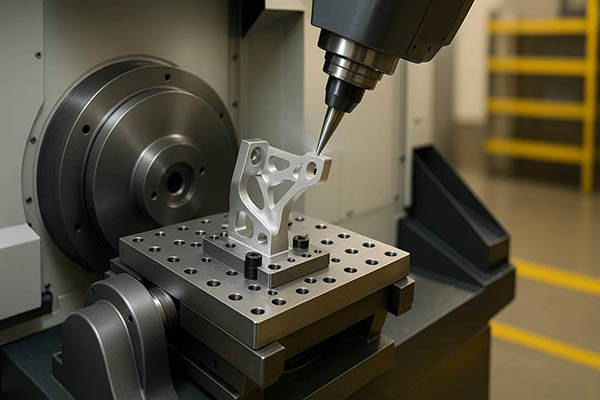
Precision is non-negotiable when it comes to CNC machined nuts, especially in industries like aerospace and medical devices. Custom precision CNC nuts require advanced machining techniques to ensure they fit perfectly and function reliably. One of the most effective methods is 5-axis CNC nut machining, which allows for complex cuts and angles that traditional 3-axis machines can’t achieve. This technique is ideal for producing nuts with intricate designs while maintaining high accuracy.
High-tolerance machined nuts and tight-tolerance threaded nuts are essential for applications where even the smallest deviation can cause problems. For example, in robotic systems, a nut with a slightly off-thread could lead to mechanical breakdowns. To achieve these tight tolerances, manufacturers use high-precision tools and conduct rigorous inspections throughout the production process. Micro CNC nut production is another area where precision matters—these tiny nuts are used in electronics and medical devices, requiring extreme attention to detail to ensure they perform as intended.
The table below compares different precision CNC nut manufacturing techniques:
| Machining Technique | Tolerance Range | Best For | Advantage |
| 3-axis CNC Machining | ±0.01mm – ±0.05mm | Simple nut designs | Cost-effective, fast for basic shapes |
| 5-axis CNC Machining | ±0.005mm – ±0.02mm | Complex, custom shapes | Can machine multiple sides in one setup, higher precision |
| Micro CNC Machining | ±0.001mm – ±0.005mm | Tiny nuts (under 5mm) | Ideal for microelectronics and medical devices |
2. Custom Threaded Nuts CNC: Tailoring Threads to Your Needs
Threads are a critical part of any nut, and custom threaded nuts CNC production allows you to get threads that match your exact requirements. Custom thread CNC nuts can be designed with unique thread sizes, pitches, and types to fit specific bolts or equipment. For instance, if you’re working on a specialized machine, you might need special thread pitch nuts that aren’t available in standard sizes.
Different thread types serve different purposes. Acme thread CNC nuts are commonly used in lead screws for applications like 3D printers and CNC machines, as they can handle high loads and provide smooth linear motion. Buttress thread machined nuts, on the other hand, are designed to withstand heavy axial loads in one direction, making them perfect for automotive and aerospace components. Multi-start threaded nuts have multiple threads, which allows for faster assembly and disassembly—great for applications where speed is important, like in packaging machinery.
Choosing the right thread type is crucial. Using the wrong thread can lead to stripped threads, loose connections, or even equipment failure. By working with a CNC manufacturer that specializes in custom threads, you can ensure your nuts have the exact threads you need.
3. CNC Machined Nut Materials: Picking the Right One for Your Industry
The material of your CNC machined nut has a huge impact on its performance, durability, and cost. CNC machined nut materials range from metals to plastics, each with its own unique properties. The table below breaks down common materials and their uses:
| Material | Key Properties | Industry Applications | Example Nuts |
| Titanium | Lightweight, corrosion-resistant, high strength | Aerospace, medical devices | CNC titanium nuts, prototype titanium nuts |
| Stainless Steel | Corrosion-resistant, strong, affordable | Automotive, marine, general manufacturing | Stainless steel CNC nuts |
| Aluminum | Lightweight, low cost, good thermal conductivity | Electronics, aerospace (non-critical parts) | Aluminum machined nuts |
| Brass | Good electrical conductivity, corrosion-resistant, aesthetic | Electronics, plumbing, decorative applications | Brass CNC nuts |
| PEEK Plastic | Heat-resistant, chemical-resistant, lightweight | Medical devices (sterilizable), aerospace | PEEK plastic CNC nuts |
Choosing the wrong material can lead to premature failure. For example, using aluminum nuts in a high-temperature environment might cause them to warp, while brass nuts might not be strong enough for heavy-load automotive applications. It’s important to work with a manufacturer who understands the properties of each material and can recommend the best one for your needs.
4. Prototype CNC Nut Services: Speeding Up Your Product Development
Developing a new product often requires testing different nut designs, which is where prototype CNC nut services come in. These services allow you to create small batches of nuts to test fit, function, and durability before moving to full production. Rapid prototype CNC nuts are a game-changer for businesses, as they can be produced in days rather than weeks, helping to speed up product development cycles.
Low-volume CNC nut runs are perfect for startups or businesses with small production needs, as they allow you to avoid the high costs of setting up for mass production. One-off custom nut machining is also available for unique designs or emergency repairs. Fast-turnaround CNC nuts ensure that you don’t have to wait long to get the parts you need, which is crucial for keeping projects on schedule.
For example, a medical device company might use prototype CNC nuts to test a new surgical instrument, making adjustments to the design based on feedback before producing hundreds or thousands of units. Without prototype services, the company might waste time and money on a design that doesn’t work.
5. Specialty CNC Nut Shapes: Beyond the Standard Hex Nut
While hex nuts are the most common, many applications require specialty CNC nut shapes. These shapes are designed to meet specific needs, such as easier installation, better load distribution, or compatibility with unique equipment.
- Flanged CNC nuts: Have a built-in flange that acts as a washer, distributing the load and preventing the nut from sinking into soft materials. They’re commonly used in automotive and construction applications.
- Hex socket CNC nuts: Have a socket in the top, allowing them to be tightened with an Allen wrench. They’re ideal for applications where space is limited, like in electronics.
- Knurled machined nuts: Have a knurled outer surface, making them easy to tighten by hand without tools. They’re often used in consumer products like appliances and furniture.
- Wing CNC nuts: Have two “wings” that allow for quick hand tightening and loosening. They’re perfect for applications that need to be adjusted frequently, like clamps or equipment covers.
- Captive washer nuts: Have a washer that’s permanently attached to the nut, preventing loss and ensuring proper assembly. They’re used in aerospace and automotive applications where safety is a top priority.
Choosing the right specialty shape can improve the functionality and reliability of your product. For example, using a flanged nut in a construction project can reduce the need for separate washers, saving time and reducing the risk of missing parts.
6. Surface Finish for CNC Nuts: Protecting and Enhancing Your Nuts
Surface finish for CNC nuts isn’t just about appearance—it also plays a role in durability, corrosion resistance, and performance. Different finishes are designed to protect the nut from environmental factors like moisture, chemicals, and wear.
- Anodized CNC nuts: Have a protective oxide layer that’s applied electrolytically, making them resistant to corrosion and wear. Anodizing is commonly used on aluminum nuts and can be done in a variety of colors.
- Passivated stainless nuts: A chemical process that removes free iron from the surface of stainless steel, enhancing its corrosion resistance. This finish is ideal for stainless steel nuts used in marine or food processing applications.
- Black oxide machined nuts: Have a black finish that provides mild corrosion resistance and a sleek appearance. They’re often used in automotive and industrial applications where aesthetics matter.
- Nickel-plated CNC nuts: Have a layer of nickel that provides excellent corrosion resistance and electrical conductivity. They’re used in electronics, aerospace, and medical devices.
- Electropolish nut finish: A process that smooths the surface of the nut, reducing friction and improving corrosion resistance. It’s commonly used in medical devices and food processing equipment, where a smooth surface is essential for hygiene.
The right surface finish can extend the life of your nuts and improve their performance. For example, nickel-plated nuts are a good choice for electronics because they conduct electricity well and resist corrosion.
7. CNC Nut Quality & Testing: Ensuring Reliability
Quality is crucial when it comes to CNC machined nuts, especially in industries where failure can have serious consequences. CNC nut quality & testing processes are designed to catch defects before the nuts leave the factory, ensuring that every part meets your specifications.
- CNC nut dimensional inspection: Uses tools like calipers, micrometers, and coordinate measuring machines (CMMs) to check the size, shape, and tolerance of each nut. This ensures that the nuts fit perfectly with the corresponding bolts.
- Thread gauge testing nuts: Uses thread gauges to check the accuracy of the threads, ensuring that they match the required pitch and size. This prevents issues like stripped threads or loose connections.
- 100% CNC nut QC: Some manufacturers conduct 100% quality control checks, inspecting every nut to ensure it meets standards. This is especially important for critical applications like aerospace and medical devices.
- Material cert CNC nuts: Provide documentation that the material used in the nuts meets industry standards. This is important for industries that require traceability, like aerospace and medical.
- RoHS compliant machined nuts: Meet the Restriction of Hazardous Substances (RoHS) directive, ensuring that the nuts don’t contain harmful materials like lead or mercury. This is required for products sold in the European Union and other regions.
Without proper quality testing, you might end up with nuts that don’t work, leading to costly recalls or equipment failures. It’s important to choose a manufacturer that has strict quality control processes in place.
8. Industries Using Custom CNC Nuts: Meeting Industry-Specific Needs
Custom CNC nuts are used in a wide range of industries, each with its own unique requirements. Understanding the needs of your industry is key to getting the right nuts.
- Aerospace CNC nuts: Must be lightweight, strong, and corrosion-resistant. Titanium and stainless steel are common materials, and tight tolerances are essential to ensure safety. These nuts are used in aircraft engines, landing gear, and other critical components.
- Medical device machined nuts: Need to be sterilizable, corrosion-resistant, and biocompatible. Materials like titanium and PEEK plastic are often used, and strict quality control is required to meet regulatory standards. They’re used in surgical instruments, implants, and diagnostic equipment.
- Robotic CNC nut parts: Require high precision and durability to handle the repetitive motion of robots. Tight-tolerance threaded nuts and multi-start threaded nuts are commonly used to ensure smooth operation.
- Automotive custom nuts: Must be strong, corrosion-resistant, and affordable. Stainless steel and aluminum are popular materials, and specialty shapes like flanged nuts are often used for better performance.
- Optics instrument nuts: Need to be extremely precise to avoid affecting the alignment of optical components. Micro CNC nut production is often used, and materials like aluminum or brass are chosen for their lightweight and non-magnetic properties.
Moshijia Technology’s Perspective
At Moshijia Technology, we understand the unique challenges of custom CNC machining nut production. We combine advanced 5-axis CNC machining with strict quality control to deliver high-tolerance, durable nuts. Whether you need prototype titanium nuts for aerospace or PEEK plastic nuts for medical devices, we offer fast turnaround and tailored solutions. Our team works closely with clients to choose the right materials, threads, and surface finishes, ensuring every nut meets their exact needs.
FAQ
1. What is the typical turnaround time for custom CNC machining nuts?
The turnaround time depends on the complexity, quantity, and prototype vs. production needs. For rapid prototype CNC nuts, it can be 3-7 days, while low-volume runs (10-100 units) take 1-2 weeks. Full production runs may take 2-4 weeks, but fast-turnaround CNC nuts options are available for urgent orders.
2. How do I choose the right material for my custom CNC nuts?
Consider your application’s environment (temperature, moisture, chemicals), load requirements, and industry standards. For example, use CNC titanium nuts for aerospace/medical (lightweight, corrosion-resistant) and stainless steel CNC nuts for general manufacturing (affordable, strong). Our team can also recommend materials based on your specific needs.
3. What tolerance levels can be achieved with custom precision CNC nuts?
With 5-axis CNC nut machining, we can achieve tolerances as tight as ±0.005mm for complex shapes. Micro CNC nut production offers even tighter tolerances (±0.001mm – ±0.005mm) for tiny nuts. For standard precision needs, high-tolerance machined nuts typically have a tolerance range of ±0.01mm – ±0.02mm.