Introduction
Imagine taking a piece of ordinary aluminum and, through a precisely controlled electrochemical process, persuading it to grow a super-tough, ceramic-like skin from its own metal flesh. That, in its simplest form, is anodized aluminum. It’s not a coating that sits on top like paint; it’s an integral part of the metal. You’ve likely encountered it today already — on the sleek back of your smartphone, the durable frame of a high-end flashlight, or the scratch-resistant cookware in your kitchen. But the real question isn’t just “what is it?” It’s “why has this unassuming finish become a cornerstone of modern manufacturing?” This article will walk you through the surprisingly fascinating world of anodizing, demystify the science, and show you exactly why this material is far more important than its shiny surface suggests.
What is Anodized Aluminum?
A Simple Analogy
Think of standard aluminum rust. It’s a flaky, white powder that forms naturally and offers zero protection. Now, instead of letting nature take its chaotic course, imagine we take control. We submerge the aluminum in a special bath, run an electric current through it, and actively “grow” a layer of rust so uniform, dense, and hard that it becomes an armor. That’s the leap from natural corrosion to intentional anodic oxidation.
The Electro-Chemical Process
In a more formal sense, anodizing is an electrochemical process that converts the metal surface into a durable, decorative, and highly corrosion-resistant anodic oxide finish. The aluminum part acts as the anode (the positive electrode) in an electrolytic cell. A bath filled with an acid electrolyte, most commonly sulfuric acid, surrounds it. When current passes through, oxygen ions are released at the anode’s surface and react with the aluminum atoms. This doesn’t plate the surface; it builds a layer of aluminum oxide (Al₂O₃) outwards and inwards from the original surface in a highly controlled crystalline structure.
Why is it Different from a Coating?
This is the fundamental distinction. Paint, powder coat, or plating are deposited onto the base metal. They are separate layers that can chip, peel, or delaminate. Anodizing, by contrast, is a transformation of the substrate itself. The resulting oxide layer is fully integrated with the aluminum beneath it at a molecular level. It becomes the new surface, not something that merely sits on it. This “grown-from-within” nature is the source of all its unique properties.
Why is Anodized Aluminum So Important?
1. How Does it Prevent Corrosion?
The primary driver behind anodizing is its battle against corrosion. Raw aluminum naturally forms a thin, passive oxide layer, but it’s uneven and easily damaged by salts or acids. The thick, engineered anodic layer acts as a ceramic-like barrier, chemically inert and completely sealing the reactive base metal from a hostile environment. For architects designing a seafront building, this isn’t a luxury; it’s a necessity. A case in point: non-anodized aluminum window frames in a coastal Miami project can show pitting corrosion within two years. Anodized frames with a properly sealed 20-micron layer can last decades with mere aesthetic weathering. This reliability is why the US military specifies MIL-A-8625 Type III hard anodizing for critical components on naval vessels and aircraft.
2. Can Aluminum Really Become Scratch-Proof?
While “scratch-proof” is a stretch, properly anodized aluminum becomes incredibly wear-resistant. The sapphire-hard aluminum oxide crystal (9 on the Mohs scale, just below diamond) forms a surface that laughs off daily abrasion. Think about the moving parts inside industrial machinery, like pneumatic pistons. We’ve seen untreated aluminum actuator shafts wear out and cause seal failure within 10,000 cycles. By specifying a 50-micron hard anodized coating, Moshijia Technology helped a client extend the life of a similar component beyond 1 million cycles before measurable wear was detected. The outside world now abrades a rock-like surface instead of soft metal.
3. How Does it Improve Aesthetics and Adhesion?
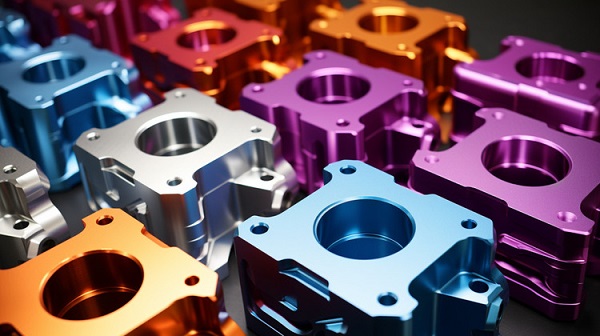
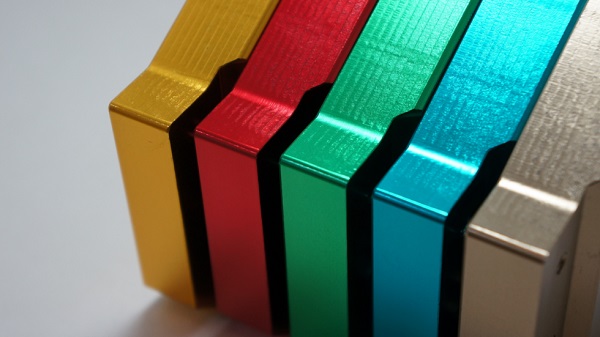
Anodizing doesn’t just protect; it creates a blank canvas for permanent decoration. The process naturally forms a porous, honeycomb-like structure of nano-scale tubes before sealing. This is the secret to its cosmetic power. These pores can absorb organic dyes through a process that traps color molecules deep within the oxide layer. Unlike paint, which can fade under UV rays, a dyed and sealed anodized surface locks the color in. The iconic, vibrant color palette of Apple’s mid-2000s iPod Mini was achieved precisely through this principle. The pores are also a perfect host for adhesives. When you need to glue an anodized part, the bonding agent flows into these microscopic pores, creating a mechanical lock far stronger than a chemical bond to a smooth surface could ever achieve.
4. Why is it Used as an Electrical Insulator?
It seems counterintuitive: we use a conductive metal to create an insulator. Yet, the aluminum oxide layer is a superb dielectric material. It effectively blocks the flow of electricity. This property is critical in the manufacturing of electrolytic capacitors, which store energy in a thin anodized foil. For a more tangible example, consider high-power LED lighting heatsinks. A thin, clear anodized layer allows heat to conduct efficiently away from the LED chip while ensuring the entire metal housing remains electrically non-conductive, preventing dangerous short circuits. It’s the only surface treatment that provides this dual function of high thermal conductivity with high electrical isolation.
5. Is Anodizing an Eco-Friendly Choice?
In a world demanding sustainable practices, anodizing stands out. The process itself uses no volatile organic compounds (VOCs) and produces zero heavy metal waste. The electrolyte baths are continuously recycled. The final product is 100% recyclable aluminum with a pure oxide surface that simply becomes part of the remelt cycle. Furthermore, by dramatically extending the service life of a lightweight, energy-efficient metal, anodizing promotes a circular economy. A bridge made with anodized aluminum components requires no repainting, uses less fuel to transport due to its light weight, and at the end of its long life, is remelted into new high-grade alloy—all with no toxic paint to strip.
A Brief History of the Process
The industrial use of anodizing wasn’t an accident; it was an evolution. The first documented anodizing process was patented in 1923 by Bengough and Stuart, using chromic acid to protect seaplane parts. The real explosion, however, came in the 1960s with the architectural movement. The development of lightfast electrolytic coloring methods allowed for bronze and black finishes. This technology gave us the glossy, dark spandrels of countless mid-century modern skyscrapers, proving that anodized aluminum could handle the structural and aesthetic demands of global architecture. It shifted the material from a purely functional component to a design statement.
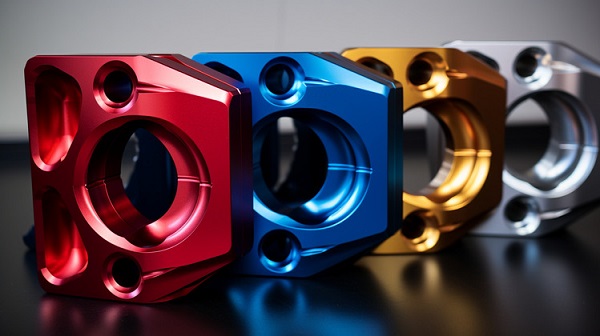
Anodized Aluminum vs. Plain Aluminum: A Quick Comparison
To truly anchor your understanding, let’s contrast the two materials side-by-side with a practical comparison table.
| Feature | Plain Aluminum (Mill Finish) | Anodized Aluminum |
|---|---|---|
| Surface Nature | A mechanical surface, prone to scratching and abrasion. | An integral, hard, ceramic-like oxide layer. |
| Corrosion Resistance | Forms a weak, thin natural oxide. Easily pits, especially with salt or industrial fallout. | Superior. A chemically inert barrier that passes ASTM 1,000-hour salt spray tests with ease. |
| Wear Resistance | Soft. Easily marred by steel wool or common contact. | Extremely high. A 25-micron hard coat resists abrasive wear like stone. |
| Aesthetic Longevity | Dull, quickly stains and loses its initial look. | Permanent. The metallic look is part of the material, not a coating, and resists fading. |
| Maintenance | Requires regular polishing to look presentable. | A simple wipe with water removes dirt, restoring its original sheen. No waxing is needed. |
| Electrical Conductivity | Electrically conductive over the whole surface. | The surface is non-conductive, providing excellent dielectric insulation. |
Conclusion
Anodized aluminum is much more than a manufacturing step; it’s a fundamental upgrade to a metal’s very being. We’ve moved from a simple analogy of “controlled rust” to understanding how this electrochemical transformation creates a surface armor of incredible hardness, permanent beauty, and reliable insulation—all while being environmentally sound. It’s the reason everyday electronics feel so premium, why architectural marvels withstand the elements, and why critical aircraft components perform reliably. The next time you feel that cool, smooth, yet incredibly hard surface, you’ll recognize it not just as a piece of metal, but as a triumph of materials science.
Frequently Asked Questions
Can anodized aluminum be scratched?
Yes, with enough force from a material harder than the oxide layer. However, its high surface hardness means it resists everyday abrasions from keys, coins, and normal handling far better than raw aluminum or painted surfaces.
Does anodized aluminum fade in sunlight?
The color in dyed anodized aluminum can slowly fade over many years of intense, direct UV exposure, but it’s far more stable than organic paint. Electrolytically colored and clear anodized finishes are inherently lightfast and will not fade.
Is anodizing only for aluminum?
For all practical industrial purposes, yes. The term is specifically used for aluminum. Magnesium and titanium have a similar, but chemically different, process often called anodizing, but the goal and the end result are analogous.
Can you weld anodized aluminum?
You should not. The anodic layer is extremely hard and non-conductive, preventing a stable arc. You must first mechanically or chemically remove the anodized layer from the weld area.
How do you clean anodized aluminum?
Use mild soap and water with a soft cloth. Avoid abrasive cleaners, scouring pads, and alkaline chemicals like oven cleaners, as these can permanently dull and damage the finish.
Get Projects Quote with Moshijia Technology
Transforming a component from a simple drawing into a high-performance part requires the right finish. At Moshijia Technology, we don’t just run anodizing lines; we engineer surface solutions. Whether you need a 15-micron decorative finish for consumer electronics housings or a 60-micron ultra-hard coating for a robotic arm component, our team can guide you through the specification maze. [Contact us today to start a conversation and get a no-obligation quote for your next project.]